

Crypto ATMs Become a Growing Law Enforcement Concern
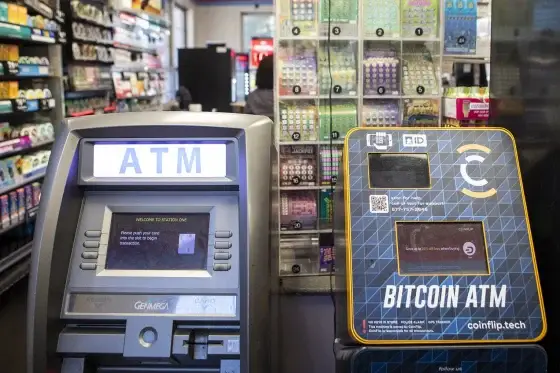
Cryptocurrency ATMs have rapidly spread across the United States, appearing in gas stations, malls, and convenience stores. While they were initially promoted as an easy bridge between cash and digital assets, law enforcement agencies now view them as a major fraud vector.
Authorities report that scammers increasingly rely on these machines to extract large, irreversible payments from victims. The speed and anonymity of crypto transactions make recovery nearly impossible once funds are sent.
Fraud Losses Trigger Urgent Policy Responses
Federal data shows losses tied to crypto ATM scams have surged sharply, with hundreds of millions of dollars disappearing in a single year. Victims are often elderly or socially isolated individuals targeted through romance scams, impersonation schemes, or fake government threats.
Local police departments say the emotional toll can be devastating. In several documented cases, victims lost their entire life savings after repeated deposits at crypto kiosks, believing they were resolving emergencies or protecting assets.
Spokane Sets a Precedent With a Citywide Ban
Spokane, Washington, became the largest U.S. city to enact a full ban on crypto ATMs. City officials cited overwhelming evidence that the machines were disproportionately used in fraud cases and offered little consumer protection.
The decision followed months of investigations and public testimony. Lawmakers described the move as necessary to prevent harm, particularly as scammers operating overseas remain beyond the reach of U.S. law enforcement.
Recommended Article: Bitcoin Slips Back to $90,000 as US Data and Court Uncertainty Weigh on Momentum
Other States and Cities Follow Suit
Spokane’s action has emboldened policymakers elsewhere. Several states and municipalities are now considering tighter regulations, stricter licensing rules, or outright bans. Some aim to prevent crypto ATMs from simply relocating across city or state borders.
However, a nationwide ban appears unlikely in the near term, especially given the current federal administration’s generally supportive stance toward digital assets. This has left local governments acting independently.
Industry Pushback Warns of Unintended Consequences
Crypto industry representatives argue that banning ATMs addresses symptoms rather than causes. They note that fraud has long plagued traditional financial tools such as wire transfers, gift cards, and bank ATMs without prompting blanket bans.
Critics warn that eliminating crypto ATMs could harm underbanked populations who rely on cash-based services. For some users, these machines provide one of the few accessible entry points into digital finance.
Privacy, Access, and the Underbanked Debate
Supporters of crypto ATMs emphasize their role in preserving financial privacy. They argue that high fees reflect demand for immediacy and reduced surveillance rather than technological inefficiency.
Legal scholars suggest the prevalence of crypto ATMs exposes deeper flaws in the U.S. financial system, including limited access to affordable banking services. In this view, the machines are a response to exclusion rather than innovation.
A Crossroads for Crypto Access in America
The fight over crypto ATMs highlights a broader tension between consumer protection and financial freedom. While fraud prevention is a clear priority, policymakers must also weigh the consequences of restricting access to emerging financial tools.
As bans spread and regulations tighten, the future of crypto ATMs in the United States may hinge on whether authorities can curb abuse without eliminating legitimate use cases altogether.