


Tariff Rhetoric Signals a Shift in US Trade Posture
The United States’ sudden shift from praising Canada’s trade engagement with China to threatening sweeping tariffs has raised questions about the true drivers behind Washington’s actions. While framed publicly as a trade defense, the move appears rooted in political signaling rather than economic mechanics.
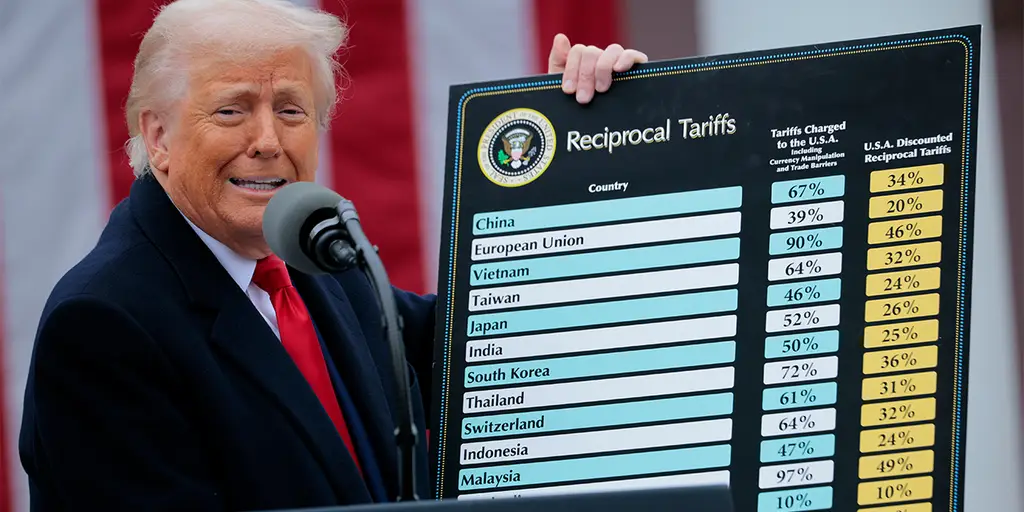
The administration led by Donald Trump warned of imposing punitive tariffs on Canadian goods if Ottawa deepened trade cooperation with China. The abrupt reversal came despite recent US approval of Canada’s diplomatic engagement, prompting analysts to look beyond trade balances for explanations, according to geopolitical analysis.
Political Dynamics Overshadow Trade Fundamentals
Experts argue the tariff threat reflects domestic political considerations more than genuine trade risk. Public comments by Canadian Prime Minister Mark Carney at the World Economic Forum in Davos appear to have played a catalytic role.
Carney’s remarks criticizing economic coercion and urging middle powers to resist dominance were widely applauded. Observers suggest the contrast with Washington’s messaging intensified political sensitivities, leading to a forceful response designed to reassert authority, as outlined in diplomatic coverage.
North American Influence and Strategic Control
Beyond personalities, the tariff threat reflects Washington’s desire to maintain strategic dominance within North America. Trade agreements involving China are viewed not merely as commercial arrangements but as challenges to regional influence.
US officials have repeatedly framed such moves as risks to supply chain security and strategic alignment. By issuing an aggressive warning, Washington signals to allies that deviation from US-led economic frameworks may carry consequences, according to strategic policy reports.
Canada’s Calculated Response Balances Risk and Autonomy
Canada’s response has been measured, reflecting the high stakes involved. The United States remains Canada’s largest trading partner, absorbing roughly three-quarters of its exports. A full-scale tariff escalation would carry severe economic consequences.
At the same time, Ottawa faces growing pressure to diversify trade relationships and reduce overdependence on the US market. Canadian policymakers emphasize that discussions with China remain limited and structured to comply with existing agreements, a position highlighted in official government statements.
Recommended Article: China’s Economic Reset Redefines Political Priorities in 2026
Domestic Debate Intensifies Within Canada
The tariff threat has sharpened domestic debate inside Canada. One camp favors accommodation to preserve market access and economic stability. Another argues the episode underscores the risks of reliance on a single dominant partner.
Advocates of diversification point to long-term resilience and sovereignty, even at the cost of short-term disruption. This debate reflects broader questions about Canada’s place in an increasingly multipolar world, according to domestic political analysis.
China’s Role as a Strategic Variable
China’s involvement adds complexity to the dispute. Beijing has sought to expand trade ties with middle powers as it navigates its own tensions with Washington. For Canada, engagement with China offers potential market access but also diplomatic risk.
US officials warn against allowing Canada to become a conduit for Chinese goods entering American markets. Critics counter that existing trade rules already prevent such leakage, suggesting the concern is more symbolic than practical, as discussed in trade law reviews.
Trade Agreements and Legal Constraints
Legal frameworks further complicate the picture. Existing agreements include provisions designed to prevent signatories from undermining collective trade interests. Canada’s efforts to structure talks carefully reflect awareness of these constraints.
By emphasizing compliance, Ottawa seeks to preserve flexibility while avoiding formal violations. Analysts describe this approach as cautious defiance rather than confrontation, according to international trade commentary.
Broader Implications for US Alliances
The episode highlights broader tensions within US alliances. As global power shifts toward multipolarity, allies increasingly pursue independent economic strategies. Washington’s response suggests discomfort with this trend.
Repeated use of tariff threats as leverage risks straining relationships and encouraging diversification away from the US market over time. Diplomatic observers warn such tactics may erode trust, according to alliance-focused analysis.
What the Tariff Threat Signals Going Forward
Looking ahead, the tariff dispute signals a more politicized phase of trade policy. Economic tools increasingly serve strategic and symbolic purposes rather than narrowly defined commercial goals.
For Canada, the challenge lies in balancing autonomy with pragmatism. For the United States, managing influence without alienating allies will prove critical. How these tensions evolve may shape North American trade relations well beyond 2026, according to long-term geopolitical commentary.