Trump’s Ultimatum Sparks Political Shockwaves
A public warning from Donald Trump has sent shockwaves through Iraqi politics, reigniting long-standing debates over sovereignty and foreign influence. Trump declared that the United States would withdraw support from Iraq if former prime minister Nouri al-Maliki returns to power.
The remarks, delivered via Trump’s social media platform, framed al-Maliki’s candidacy as a threat to stability and US interests. Coming just days after Iraq’s Shia Coordination Framework nominated al-Maliki, the statement elevated domestic political maneuvering into an international standoff.
al-Maliki Rejects US Interference
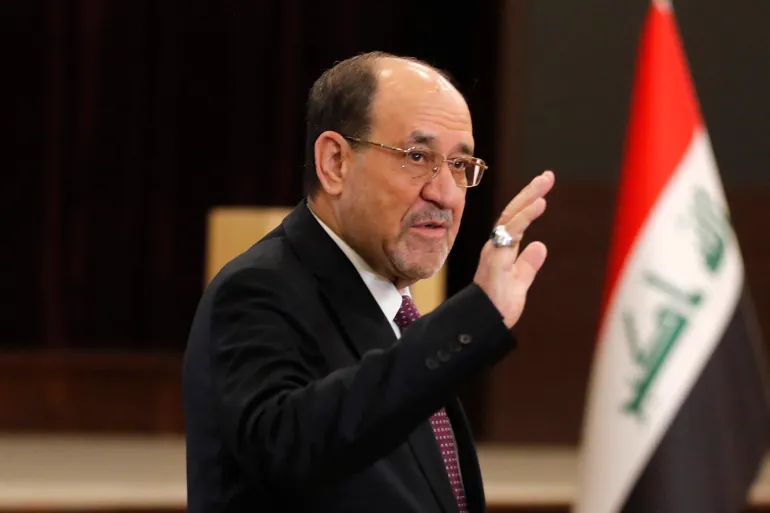
Al-Maliki responded forcefully, condemning Trump’s comments as a violation of Iraq’s sovereignty and democratic process. He insisted that external threats would not dictate Iraq’s political future and reaffirmed his intention to remain in the race.
In a written statement, al-Maliki emphasized that relations between states should be governed by dialogue rather than coercion. His defiance resonated with supporters who view foreign pressure as a continuation of post-2003 interference, while critics warned that confrontation with Washington carries serious consequences.
A Complicated Legacy Shapes the Crisis
Al-Maliki’s political legacy remains deeply polarizing. During his tenure from 2006 to 2014, Iraq experienced sectarian conflict, allegations of corruption, and deteriorating relations with Sunni and Kurdish factions. His departure followed the rise of ISIL, which captured large swaths of Iraqi territory.
Despite this record, al-Maliki has maintained influence through the State of Law coalition and close ties to Iran-aligned groups. For Washington, his return raises concerns about Tehran’s influence in Baghdad and the future of US security cooperation.
US Leverage Over Iraq Remains Substantial
The United States retains significant leverage over Iraq, particularly through financial mechanisms. A large share of Iraq’s oil export revenues is held at the Federal Reserve Bank of New York, a legacy arrangement dating back to the 2003 invasion.
This financial oversight gives Washington indirect influence over Baghdad’s economic stability. Trump’s threat to withdraw support taps into this leverage, signaling that political choices could carry material consequences for Iraq’s economy and security assistance.
Iran’s Shadow Looms Over Iraqi Politics
Iraq continues to navigate a delicate balance between Washington and Iran, both of which wield influence through security ties, economic relationships, and political alliances. Al-Maliki’s alignment with Iran-backed factions intensifies US concerns about Iraq drifting further from Western influence.
Trump’s broader Middle East strategy has focused on curbing Iran’s regional reach. His warning to Iraq fits into that framework, reinforcing a message that US support is contingent on political alignment rather than neutrality.
Domestic Divisions Complicate Iraq’s Response
Inside Iraq, reactions to Trump’s intervention reflect deep political divides. Some factions argue that maintaining strong ties with Washington is essential for security, reconstruction, and international legitimacy. Others see resistance as necessary to preserve sovereignty and avoid becoming a client state.
Public opinion remains fractured, shaped by years of instability and competing narratives about foreign involvement. The standoff has amplified nationalist rhetoric while exposing the fragility of Iraq’s political consensus ahead of parliamentary elections.
Regional Implications Extend Beyond Baghdad
The dispute carries broader implications for the Middle East. US pressure on Iraq sends signals to other regional governments navigating relationships with both Washington and Tehran. Allies and adversaries alike are watching how Baghdad responds to determine the limits of American influence.
For Trump, the episode reinforces a transactional approach to foreign policy, where support is conditional and public pressure replaces quiet diplomacy. For Iraq, it underscores the persistent challenge of asserting sovereignty while relying on external partners.
What the Confrontation Means Going Forward
The clash between Trump and al-Maliki highlights unresolved tensions at the heart of Iraq’s post-war political order. External influence remains a defining feature, even as leaders insist on independence.
Whether the crisis escalates or cools will depend on negotiations behind the scenes and Iraq’s ability to present a unified position. What is clear is that Iraq’s internal political choices now carry heightened geopolitical consequences. As elections approach, the balance between sovereignty and strategic alignment will shape not only Iraq’s future government, but its place in an increasingly polarized region.