Religious Networks Become a New Geopolitical Front
Taiwan is increasingly scrutinizing the role of religious organizations amid concerns that China may be using faith-based networks to expand its political influence on the self-governed island. What was once viewed primarily as cultural exchange is now being reassessed through a national security lens.
Officials and analysts warn that religious institutions can serve as powerful channels for soft power, particularly when they foster cross-border relationships. In regions marked by geopolitical tension, even symbolic cooperation can carry strategic implications.
Mazu Temple Emerges as a Symbol of the Debate
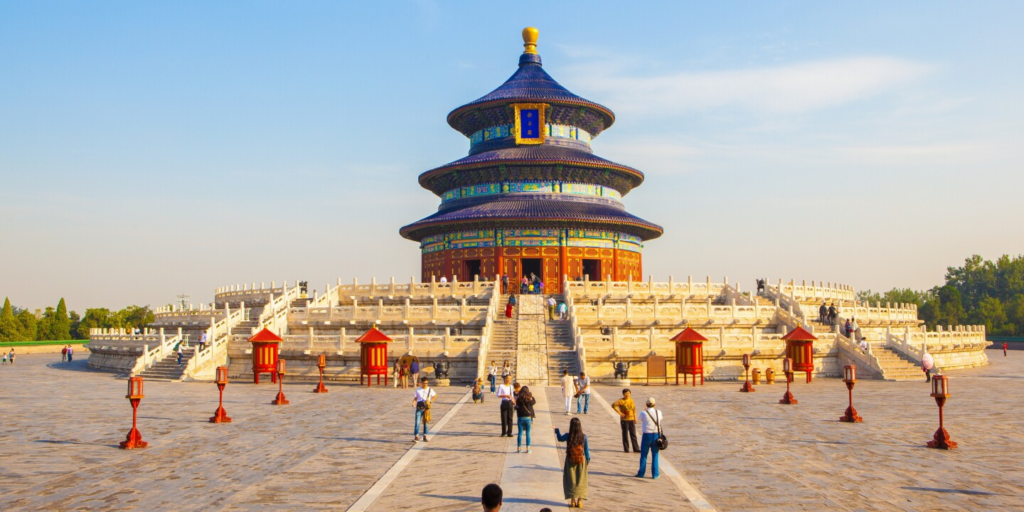
At the center of the controversy is a prominent temple dedicated to the sea goddess Mazu, a spiritual figure revered across both Taiwan and mainland China. Shared devotion has historically connected communities, but critics now question whether those links could be leveraged for political messaging.
Temple leadership has publicly advocated for cross-strait peace, positioning religious dialogue as a bridge between societies. Yet skeptics argue that calls for harmony must be carefully evaluated to ensure they are not masking efforts to shape public opinion.
Taipei Responds With Heightened Vigilance
Taiwanese authorities have begun strengthening outreach to domestic religious groups in an effort to counter potential external influence. Policymakers believe proactive engagement can help communities recognize and resist political pressure while preserving freedom of worship.
This approach reflects a broader strategy focused on resilience rather than restriction. By supporting transparency and open communication, officials hope to prevent religious platforms from becoming tools of foreign interference.
Recommended Article: Jobless Growth? Strong US Economy Masks a Rapid Hiring Slowdown
Beijing Denies Geopolitical Motives
For its part, the government in Beijing has consistently rejected accusations that it exploits religious ties for political gain. Chinese leaders often frame cultural exchanges as evidence of shared heritage rather than instruments of statecraft.
Nevertheless, skepticism persists among security experts who argue that influence campaigns frequently operate through informal channels. In an era of hybrid geopolitical competition, soft power initiatives can be as consequential as traditional diplomacy.
Worshippers Push Back Against Politicization
Many devotees have expressed discomfort with the growing politicization of spiritual life, insisting that faith should remain separate from geopolitical disputes. Religious communities often prioritize continuity and tradition, values that can clash with rapidly shifting political narratives.
Grassroots resistance highlights the delicate balance policymakers must strike. Overreacting could risk undermining religious freedom, while inaction might allow external pressures to deepen unnoticed.
Cross-Strait Tensions Provide Context
The debate unfolds against the backdrop of escalating friction between Taiwan and China, particularly as Beijing reiterates territorial claims over the island. Cultural and religious connections are increasingly viewed through the prism of strategic competition.
International observers note that influence efforts rarely occur in isolation. Instead, they tend to complement economic, diplomatic, and informational strategies designed to shape long-term outcomes.
Soft Power Gains Importance in Modern Rivalries
Experts emphasize that modern geopolitical contests often extend beyond military capabilities into arenas such as culture, education, and religion. These domains can subtly influence perceptions, identities, and political preferences over time.
For Taiwan, safeguarding democratic institutions requires vigilance across all potential vectors of influence. The challenge lies in protecting sovereignty without eroding the openness that defines its society.
Democratic Values Drive Taiwan’s Response
Leaders in Taipei have reiterated their commitment to democratic principles while addressing the issue. Rather than imposing sweeping restrictions, the government aims to empower citizens with information that enables independent judgment.
Such measures underscore Taiwan’s effort to differentiate itself from authoritarian governance models. Transparency and civic participation remain central to its defensive posture.
Regional Stability Hangs in the Balance
Developments in cross-strait relations carry implications far beyond the immediate region, drawing attention from partners such as the United States and other Indo-Pacific stakeholders. Stability in the Taiwan Strait is widely viewed as critical to global trade and security.
As geopolitical competition intensifies, even seemingly local disputes can acquire international significance. Religious diplomacy may therefore become another arena in which broader strategic rivalries unfold.
Outlook Points to a Prolonged Influence Contest
The intersection of faith and politics suggests that influence campaigns will remain difficult to detect and even harder to regulate. Cultural connections are deeply rooted, making them both resilient and sensitive.
Ultimately, Taiwan’s response will likely focus on strengthening institutional trust and societal awareness. Whether these efforts succeed could shape not only cross-strait relations but also the evolving nature of soft power in global geopolitics.