

AI-Enhanced Image Reaches the Senate Floor
An artificial intelligence–altered image tied to a fatal immigration enforcement incident has ignited controversy after being displayed inside the United States Senate. The manipulated still frame, circulating widely on social media platforms, depicted the moments before federal agents shot a 37-year-old nurse during a protest confrontation in Minneapolis.
The image appeared to show officers surrounding the victim, with one agent pointing a weapon at his head. However, digital forensics experts later identified distortions suggesting the frame had been enhanced using AI tools. Despite these warning signs, the image traveled rapidly across platforms and eventually entered formal political discourse.
Senator Acknowledges Sharing Altered Visual
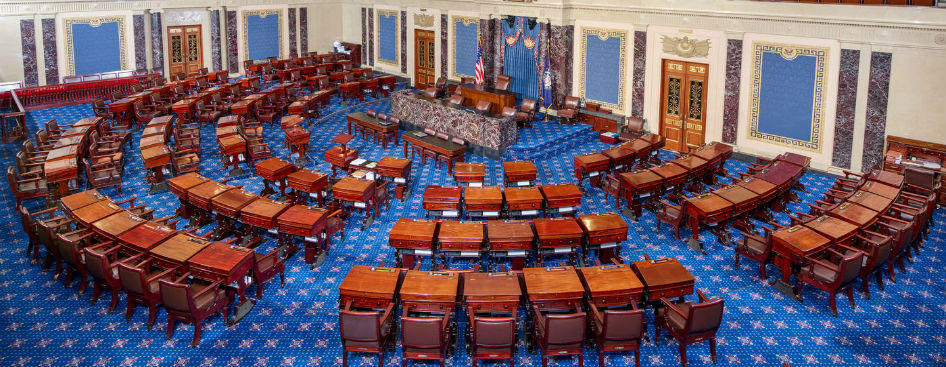
Dick Durbin referenced the image during remarks on the Senate floor condemning the fatal shooting. Shortly afterward, critics online pointed out anomalies in the photograph, including visual irregularities inconsistent with the original footage.
Durbin’s office later acknowledged that staff members had relied on a widely circulated version of the image without realizing it had been digitally altered. The incident underscored how quickly manipulated visuals can migrate from social media feeds into the highest levels of policymaking.
The Power and Peril of AI Enhancement
Advances in generative artificial intelligence have dramatically lowered the barrier to altering visual content. With accessible software, users can sharpen blurry footage, fill in missing pixels, or modify backgrounds and facial details within seconds. While some enhancements are benign, others risk introducing fabrications that misrepresent reality.
Experts warn that even subtle changes can significantly influence public perception. Adjusting lighting, positioning, or object clarity can alter interpretations of intent, threat, or culpability in emotionally charged incidents.
Viral Amplification During Breaking News
The manipulated image spread across Instagram, X, Facebook, and Threads within hours of the shooting. Breaking news environments often generate information vacuums, encouraging users to share content quickly before verification occurs.
In this case, some posts falsely claimed the victim held a weapon. Subsequent analysis of verified video confirmed he was holding a mobile phone. Yet the initial wave of misinformation shaped early public debate, illustrating how speed frequently outpaces fact-checking mechanisms.
Digital Distortions and Political Narratives
Observers note that AI-enhanced images can inadvertently reinforce preexisting political narratives. When an altered visual aligns with a viewer’s expectations, confirmation bias may reduce skepticism. This dynamic complicates efforts to maintain balanced discourse.
The controversy also arrives amid broader tensions surrounding immigration policy under Donald Trump. Critics of the administration argue that enforcement practices have grown more aggressive, while supporters maintain they reflect necessary border security measures. In such polarized contexts, visual misinformation can inflame already charged debates.
Experts Warn of “Agenda-Driven Enhancements”
Disinformation monitoring groups caution that AI enhancement tools are increasingly deployed to “clarify” footage in ways that introduce invented details. According to analysts, these modifications may appear minor but can shift narrative framing dramatically.
Walter Scheirer, a computer vision expert at the University of Notre Dame, has emphasized that lifelike manipulation once required specialized skills. Today, generative AI enables instant alterations accessible to anyone with a smartphone or laptop.
Deepfakes and Escalating Complexity
The Senate incident is part of a broader trend involving AI-generated and AI-modified visuals following high-profile events. In recent months, deepfakes have circulated after protest-related fatalities, with some users even employing chatbot tools to fabricate identifying details about officers involved.
Such developments highlight a new reality in digital communication: images, once treated as near-conclusive evidence, now demand forensic scrutiny. The erosion of visual trust complicates journalism, legal proceedings, and democratic deliberation.
Institutional Vulnerabilities Exposed
Legislative bodies are not immune to digital misinformation. Staff members often rely on publicly available media to prepare remarks quickly, especially during rapidly evolving news cycles. Without robust verification protocols, altered visuals can slip into official discourse.
This episode has prompted calls for clearer standards within congressional offices regarding the sourcing and vetting of digital content. Some analysts propose formal partnerships with independent verification organizations to minimize future missteps.
Balancing Speed With Accuracy
The tension between responsiveness and verification presents a fundamental challenge in the AI era. Politicians and journalists alike face pressure to address breaking events promptly, yet premature reliance on unverified content risks amplifying inaccuracies.
Technology platforms have introduced labeling tools and detection algorithms, but these measures remain imperfect. As AI tools become more sophisticated, distinguishing enhancement from fabrication may grow increasingly difficult.
A Turning Point for Visual Trust
The controversy surrounding the AI-altered image serves as a warning about the fragility of visual credibility. In democratic societies, informed debate depends on shared facts. When manipulated content enters official proceedings, it can erode confidence in institutions and media alike.
The broader lesson extends beyond a single Senate speech. As generative AI continues evolving, governments, platforms, and citizens must adapt quickly to safeguard informational integrity. Without stronger verification norms and digital literacy efforts, the boundary between reality and fabrication may blur further—reshaping political discourse in unpredictable ways.