

A Turning Point for Federal AI Policy
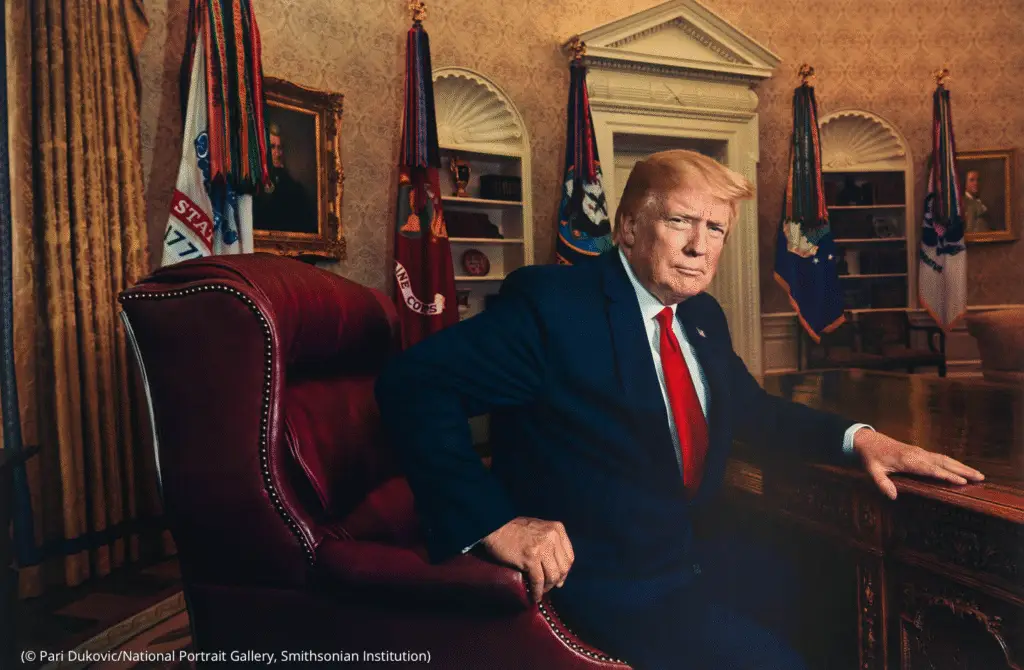
President Donald Trump’s newest executive order on artificial intelligence represents one of the most consequential policy moves yet for the future of US defense technology. Rather than focusing on consumer-facing applications, the order places national security and military readiness at the center of AI governance.
By asserting federal authority over artificial intelligence regulation, the administration aims to eliminate what it views as a costly and fragmented patchwork of state-level rules. Officials argue that inconsistent compliance standards slow development timelines and weaken America’s competitive position in a rapidly evolving global technology race.
Why Defense Leaders Favor Centralized Rules
Defense contractors and military research programs often operate across multiple states, making them particularly vulnerable to regulatory inconsistency. Different definitions, compliance requirements, and enforcement standards can dramatically increase legal risk and development costs.
The executive order directly addresses this challenge by instructing the attorney general to challenge state laws that conflict with federal priorities. For defense-focused AI developers, this could provide long-sought clarity and predictability.
Speed as a Strategic Advantage
In military contexts, technological speed is not merely a business advantage but a strategic necessity. AI-enabled systems such as autonomous logistics planning, battlefield analytics, cyber defense tools, and command-and-control platforms depend on rapid testing and deployment.
Supporters of the order argue that minimizing regulatory delays allows the Pentagon to field new capabilities faster. In an era of accelerating competition with rival powers, even modest delays can erode strategic advantages.
Recommended Article: Growing Tensions Signal a Turbulent Future for AI Regulation
Scaling AI Across the Armed Forces
The Trump administration has signaled that AI will no longer remain confined to pilot programs or specialized units. Instead, commercial AI services are expected to be deployed directly to millions of operators across the Pentagon.
This includes personnel working at multiple classification levels, enabling broader use of AI for intelligence analysis, logistics coordination, and operational planning. A unified regulatory framework makes such large-scale deployment far more feasible.
Tailoring Oversight to National Security Needs
Military AI systems face different risks than consumer applications. Issues such as battlefield reliability, adversarial manipulation, and mission-critical decision-making require specialized oversight.
Centralized federal regulation allows policymakers to design rules specifically for defense contexts. This ensures innovation is encouraged without imposing standards designed primarily for civilian consumer protection.
Strengthening Public-Private Partnerships
The executive order also reflects a growing emphasis on collaboration between the federal government and major AI firms. Defense officials have made clear that partnering with industry leaders is essential to staying at the forefront of innovation.
By reducing regulatory uncertainty, the administration hopes to attract more private investment into defense AI projects. These partnerships can shorten development cycles and ensure military systems benefit from the latest commercial advances.
Reducing Legal and Financial Risk
Legal uncertainty has long discouraged defense firms from making aggressive investments in cutting-edge AI. Divergent state regulations increase the likelihood of lawsuits, compliance failures, and delayed procurement.
A single national standard lowers these risks, making it easier for companies to plan long-term projects. Reduced uncertainty can also improve competition by lowering barriers for smaller firms entering the defense market.
AI and Global Military Competition
Geopolitics looms large behind the executive order. US officials increasingly view artificial intelligence as a decisive factor in future military power. Rival nations with centralized governance structures can often mobilize technology more quickly.
The administration argues that fragmented regulation places the US at a disadvantage. Centralized oversight is seen as essential to matching the pace of global competitors investing heavily in defense AI.
Ethical Questions Remain Unresolved
While the order prioritizes speed and scale, it does not eliminate ethical concerns surrounding military AI. Questions about autonomy, accountability, and escalation remain part of the broader debate.
However, the administration’s position suggests that regulatory simplification is a prerequisite for addressing these concerns effectively. Without operational deployment, ethical frameworks risk remaining theoretical.
A Long-Term Bet on Integration
Trump’s AI executive order signals a long-term commitment to integrating artificial intelligence into US defense infrastructure. Rather than treating AI as experimental, the policy frames it as foundational to future military readiness.
As implementation unfolds, the order is likely to reshape how the Pentagon develops, procures, and deploys AI-driven capabilities across all branches.