Crypto Holds Ground Amid Geopolitical Shock
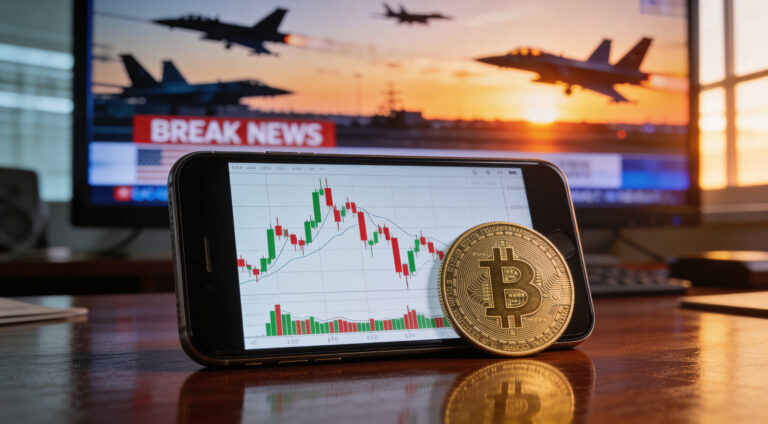
Bitcoin traded near $66,000 in early Asian hours as global markets reacted to escalating conflict between the United States and Iran. Despite weekend volatility, crypto markets remained comparatively stable.
Ethereum slipped more than 2% but avoided deeper liquidation cascades. Analysts noted that crypto’s 24/7 trading structure allowed markets to absorb geopolitical developments before traditional exchanges reopened.
Weekend Volatility Set the Tone
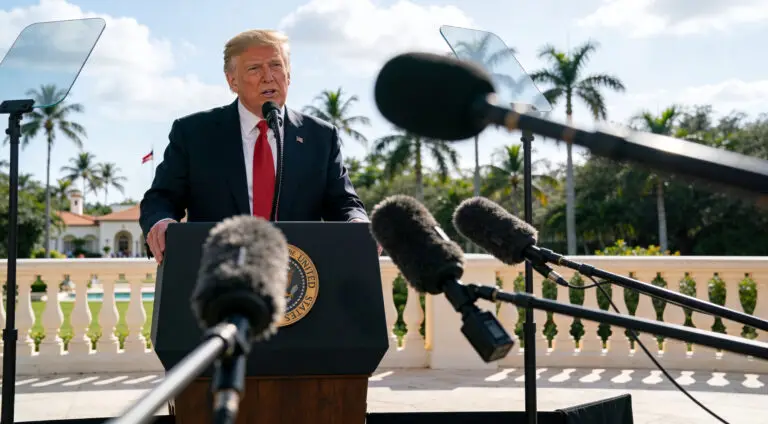
Prices moved erratically after reports confirmed that Ali Khamenei was killed in a joint U.S.-Israeli strike. Bitcoin initially fell toward short-term support levels before rebounding.
The choppy range between $63,000 and $66,000 reflected headline-driven trading. Market participants adjusted positions rapidly as new details emerged over the weekend.
Asian Equities React Sharply
When stock markets reopened, the reaction was more severe. Japan’s Nikkei 225 fell more than 2.5% intraday, while the broader Topix declined nearly 3%.
Hong Kong and Singapore benchmarks also posted notable losses. The divergence suggested that crypto markets had already priced in part of the geopolitical shock.
Oil Prices Become the Transmission Channel
Energy markets saw sharper repricing. Brent crude climbed above $78 per barrel, rising more than 7% within a day as traders feared disruptions near the Strait of Hormuz.
Oil often serves as the macro bridge between geopolitical conflict and financial conditions. Sustained increases above $90 could tighten liquidity and pressure risk assets, including crypto.

Inflation and Central Bank Implications
Higher oil prices may lift inflation expectations globally. If energy costs persist at elevated levels, central banks could delay rate cuts.
Stronger real yields and a firmer dollar historically create headwinds for high-beta assets. Crypto traders are therefore closely monitoring bond markets alongside oil.
On-Chain Metrics Show Limited Stress
Despite price swings, derivatives data showed no widespread stablecoin de-pegging or systemic liquidation cascade. Funding rates and open interest reflected controlled positioning rather than panic.
Continuous trading venues helped absorb volatility in real time. Analysts suggested this structural liquidity may have prevented deeper weekend dislocations.
Outlook Hinges on Oil and Escalation Risks
For now, Bitcoin appears to be tracking macro risk sentiment rather than leading it. Traders remain focused on oil stability and diplomatic developments.
If tensions stabilize, crypto could resume broader consolidation. However, further escalation would likely amplify volatility across all asset classes.