


Elena Chen, a blockchain developer and DeFi security auditor known for her work in smart contract security and decentralized infrastructure, views this development as an unintended consequence of crypto’s transparency layer. “From an on-chain perspective, the assumption is that pseudonymity protects users, but in reality, off-chain identity leaks often create direct attack surfaces,” she explains. “What we’re seeing here is not a failure of blockchain security, but a gap between cryptographic systems and real-world operational security practices.”
Western Europe Faces Rising Threats to Crypto Investors
French authorities are investigating a series of kidnappings linked to individuals associated with cryptocurrency wealth, following multiple violent incidents involving ransom demands. The cases, currently under review by the French National Police, highlight a growing intersection between digital asset ownership and physical security risks in Western Europe.
According to preliminary findings referenced by prosecutors, perpetrators appear to be selectively targeting individuals connected to high-value crypto holdings, often leveraging personal or familial associations as points of vulnerability.
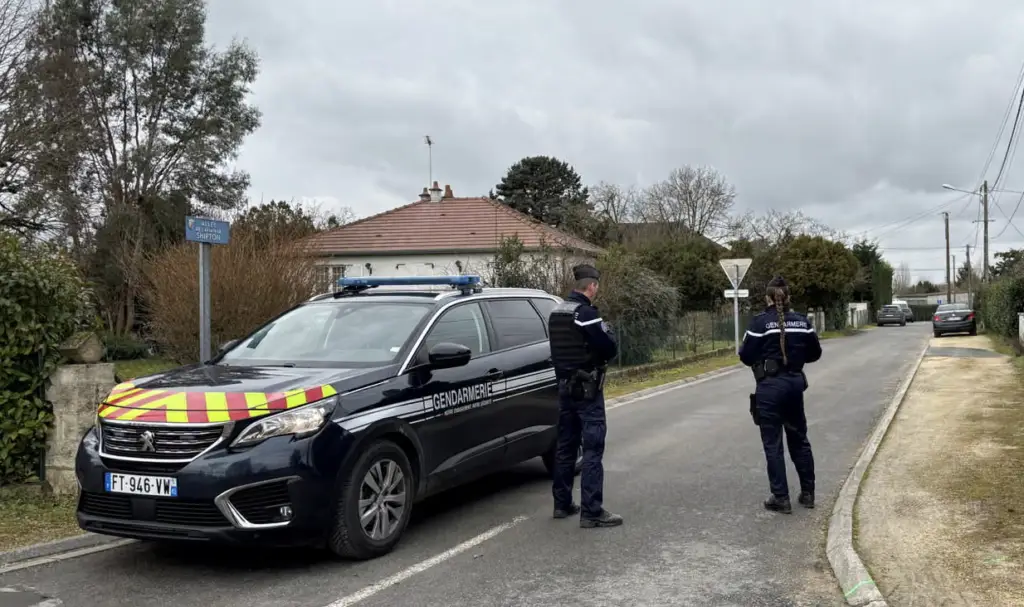
Image source: The Guardian
What happened in the latest kidnapping case?
A 60-year-old man was rescued south of Paris after being held captive for two days by masked assailants. Authorities reported that the victim was abducted in the 14th arrondissement while walking alone and transported approximately 20 kilometers to the Essonne region.
Law enforcement conducted a coordinated raid on Saturday evening, detaining five suspects believed to be in their twenties. The victim sustained severe injuries, including the reported amputation of a finger, indicating the use of extreme coercion during detention.
What was the motive behind the attack?
Investigators suggest that the victim was targeted due to his connection to a relative identified as a crypto-millionaire. Prosecutors indicated that the attackers demanded a ransom estimated between €5 million and €7 million.
Officials confirmed that the kidnappers did not receive the ransom before police intervened. The case reflects a broader pattern in which perpetrators focus on individuals perceived to control or have access to substantial digital assets.
Why is France facing rising threats to crypto holders?
France has been positioning itself as a regulated digital asset hub within the European Union, aligning with the Markets in Crypto-Assets Regulation framework designed to standardize crypto oversight.
However, these incidents introduce an additional layer of risk: physical exposure linked to publicly identifiable crypto wealth.
Data from Europol indicates that organized criminal groups are increasingly adapting their strategies to target high-value individuals in emerging sectors, including cryptocurrency and digital finance.
Key implications for investors in France include:
- Increased scrutiny on public disclosure of crypto holdings
- Rising demand for private security among high-net-worth individuals
- Greater emphasis on anonymity and operational security practices
Is this part of a broader trend in Europe?
Recent incidents suggest that the threat extends beyond a single case.
In January, attackers reportedly abducted crypto entrepreneur David Balland and his partner in central France. Authorities indicated that the attackers issued ransom demands and inflicted physical harm before law enforcement intervened.
Additional reports reference:
- A kidnapping involving a crypto influencer’s family member in eastern France
- Similar incidents linked to suspects operating across Belgium and Spain
- Coordinated ransom attempts targeting individuals associated with digital asset wealth
The geographic distribution suggests either coordination or rapid replication of tactics among organized criminal networks.
Why are crypto investors being targeted?
Crypto-related wealth presents unique characteristics that may increase its attractiveness to criminal actors:
- Perceived anonymity of digital asset ownership
- High liquidity and rapid transferability of funds
- Public visibility through social media or business affiliations
However, law enforcement agencies emphasize that these assumptions are often overstated. Blockchain analytics tools have significantly improved traceability, and authorities have expanded capabilities to monitor illicit financial flows.
Despite these advancements, individuals who publicly disclose holdings or maintain identifiable links to crypto wealth may face increased exposure to targeting.
What risks should investors consider?
The incidents highlight a shift from purely digital risks, such as hacking, to physical threats directly linked to asset ownership.
Key risk factors include:
- Public association with large crypto holdings
- Limited personal or residential security measures
- Cross-border exposure to jurisdictions with inconsistent enforcement
For investors operating within or connected to European markets, these developments may require reassessment of security strategies beyond traditional cybersecurity frameworks.
Risk Comparison: Traditional Finance vs Crypto-Linked Exposure
| Risk Category | Traditional Finance | Crypto-Linked Risk |
|---|---|---|
| Cyber Threats | High | High |
| Physical Targeting | Low | Increasing |
| Asset Traceability | Moderate | Improving |
| Liquidity Access | Controlled | High |
| Public Exposure | Limited | Variable |
Physical Security Emerges as a Crypto Risk Priority
The rise in crypto-linked kidnappings in France introduces a critical dimension to digital asset risk: physical security.
While regulatory frameworks such as Markets in Crypto-Assets Regulation continue to enhance oversight and transparency, these incidents demonstrate that regulation alone cannot fully mitigate emerging threats tied to wealth visibility.
As digital assets become more integrated into mainstream finance, investor profiles are evolving—and so are the risks. Market analysts suggest that future risk management strategies will need to incorporate both cybersecurity and physical security considerations to address this expanding threat landscape.