

Debate Intensifies Over Russian Oil Sanctions
Economists and policy analysts are debating whether easing sanctions on Russian oil exports could weaken international pressure on Moscow. Energy markets remain sensitive to geopolitical developments and shifting supply conditions.
Some experts argue that sanctions have significantly constrained Russia’s financial resources. Limiting oil revenues has been a central component of Western economic strategy since the conflict in Ukraine began.
Trump Temporarily Waives Ban on Indian Oil Purchases
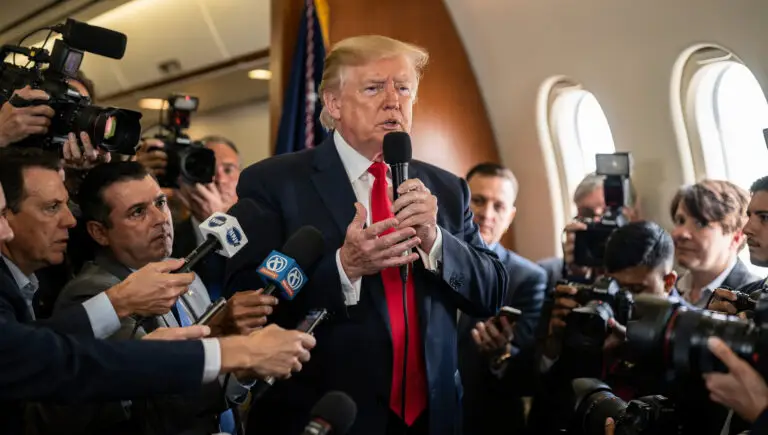
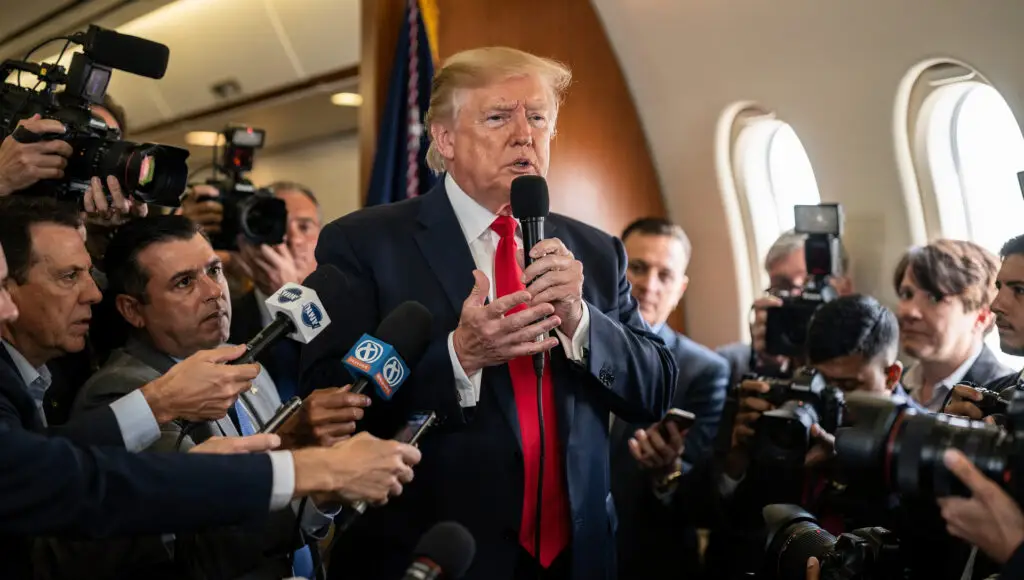
U.S. President Donald Trump recently approved a temporary waiver allowing India to purchase Russian oil for thirty days. The decision sparked debate among economists and international policy analysts.
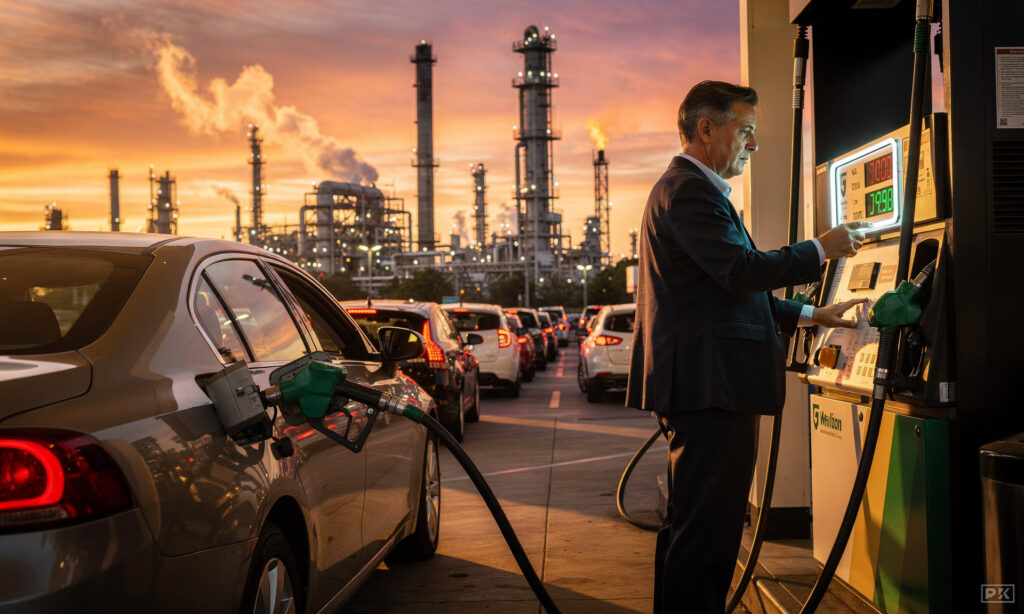
Supporters of the move argue that stabilizing global oil prices is important for economic stability. Lower fuel costs can help reduce inflationary pressures affecting households and businesses.
Russian Economy Heavily Dependent on Energy Revenue
Russia’s government relies heavily on energy exports for foreign currency income. Oil sales generate significant hard currency that supports the country’s broader economic activity.
Compared with oil revenues, Russia’s natural gas exports generate far smaller profits. As a result, restrictions on oil sales remain one of the most powerful economic pressure tools.
Sanctions Gradually Impact Russian Public Spending
Recent financial reports suggest sanctions have begun affecting public budgets across Russian regions. Even Moscow’s city administration has reportedly reduced investment spending plans for the coming year.
Authorities in the Russian capital indicated infrastructure investments may fall by approximately ten percent. Budget adjustments highlight the growing financial strain caused by international restrictions.
Shadow Fleet Continues Moving Russian Oil
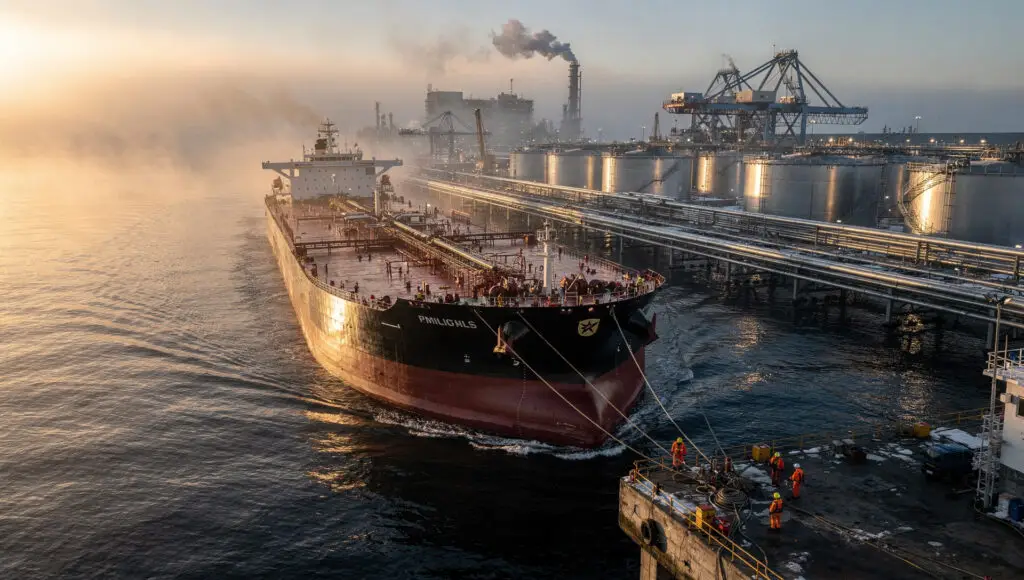
Despite sanctions, hundreds of tankers continue transporting Russian oil through complex shipping networks. Many vessels operate under changing ownership structures and alternative national flags.
International authorities have attempted to disrupt these operations through inspections and enforcement actions. Some ships suspected of carrying sanctioned oil have been intercepted in recent months.
Secondary Trade Channels Expand Through China
Investigations have revealed that foreign vehicles and consumer goods continue reaching Russia through indirect trade routes. Many products are exported via Chinese intermediaries before reaching Russian markets.
Brands such as Toyota and Mazda vehicles manufactured in China reportedly appear in Russian dealerships. These shipments complicate efforts to enforce economic restrictions.
Europe Faces Pressure to Strengthen Sanctions
Analysts say European governments may need to expand enforcement efforts to maintain pressure on Moscow. Some economists believe stricter monitoring of global trade networks could improve sanctions effectiveness.
The broader challenge remains balancing economic pressure with global energy market stability. Decisions about sanctions policy will continue influencing both geopolitical dynamics and global commodity prices.