

Diplomats Reinforce Strategic Alliance
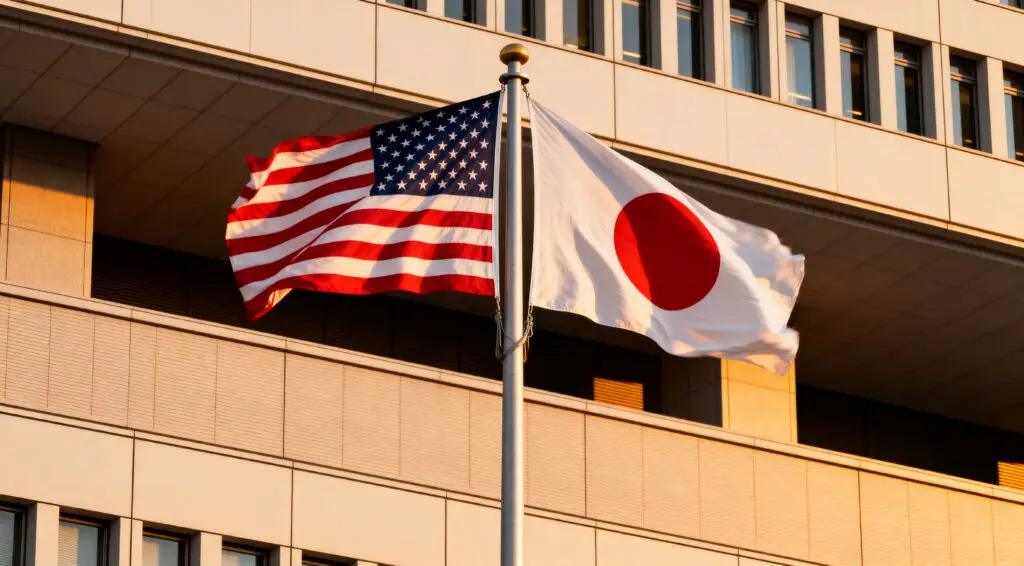
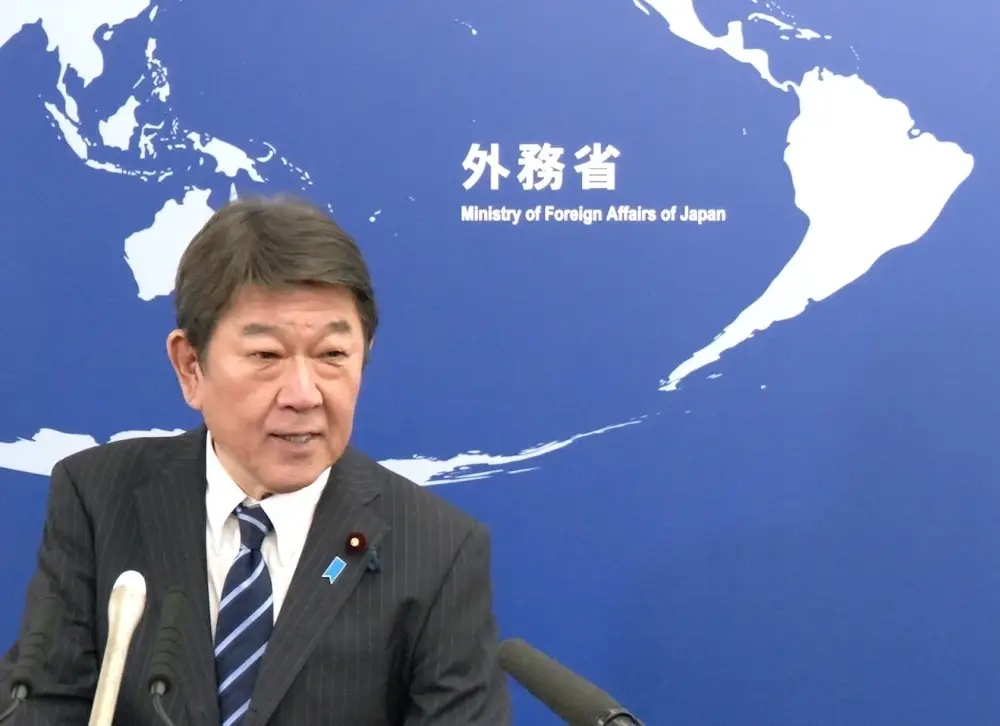
Senior officials from Japan and the United States have reaffirmed their commitment to expanding bilateral security cooperation, signaling renewed urgency in strengthening one of the world’s most consequential alliances. Japanese Foreign Minister Toshimitsu Motegi and U.S. Secretary of State Marco Rubio held extensive talks on the sidelines of the Munich Security Conference, describing the dialogue as candid and forward-looking.
Both sides agreed that closer coordination is essential to maintaining deterrence capabilities in an increasingly volatile geopolitical environment. The alliance has long served as a cornerstone of stability in the Asia-Pacific, and policymakers appear determined to ensure it evolves alongside emerging threats.
Defense Cooperation Takes Priority
A central outcome of the meeting was a shared pledge to advance concrete defense initiatives designed to enhance response readiness. Officials emphasized that strengthening operational coordination between the two militaries would improve their ability to address regional contingencies swiftly.
Japan hosts more than 50,000 U.S. troops across numerous bases, underscoring the depth of military integration. This presence not only supports regional defense but also demonstrates Washington’s enduring commitment to protecting its allies.
Economic Security Moves Into the Spotlight
Beyond traditional defense concerns, the talks highlighted growing attention to economic security—a concept that blends trade resilience, technological leadership, and supply chain protection. Motegi and Rubio discussed cooperation in critical minerals and rare earth resources, materials essential for advanced manufacturing and defense technologies.
Securing access to these resources has become a strategic imperative as nations compete to control the inputs powering next-generation industries. By aligning policies, both governments hope to reduce vulnerability to external disruptions.
Recommended Article: Rubio Calls for Renewed Transatlantic Alliance at Munich Security Conference
Tariff Agreements Signal Practical Progress
The diplomats also reiterated plans to implement previously negotiated tariff arrangements, suggesting that economic diplomacy remains a key pillar of the relationship. Trade stability can help buffer both economies against global uncertainty while reinforcing political ties.
Such agreements often operate quietly compared with defense headlines, yet they form the backbone of long-term cooperation. Predictable trade frameworks encourage corporate investment and deepen cross-border integration.
China’s Rise Shapes Strategic Calculations
Regional dynamics—particularly China’s expanding military and economic influence—featured prominently in the discussions. While officials avoided overt confrontation, the dialogue reflected shared concerns about maintaining a balance of power in the Indo-Pacific.
Strategists increasingly view alliances as force multipliers capable of deterring aggression without direct escalation. Coordinated policies allow partners to present a unified front while preserving diplomatic flexibility.
North Korea Remains a Persistent Threat
The two diplomats also addressed policy approaches toward North Korea, focusing on its nuclear weapons development and missile testing programs. These capabilities continue to challenge regional security architecture and demand sustained vigilance.
Joint planning enhances early warning systems and improves crisis response options. For Tokyo, cooperation with Washington remains indispensable in countering unpredictable threats from Pyongyang.
Alliance Evolves Beyond Military Cooperation
Observers note that the U.S.-Japan partnership has expanded far beyond its postwar security origins. Today, collaboration spans technology, energy, cybersecurity, and infrastructure—areas increasingly intertwined with national defense.
This multidimensional approach reflects a broader shift in global strategy. Modern alliances must address economic and technological vulnerabilities alongside traditional battlefield risks.
Munich Talks Highlight Global Context
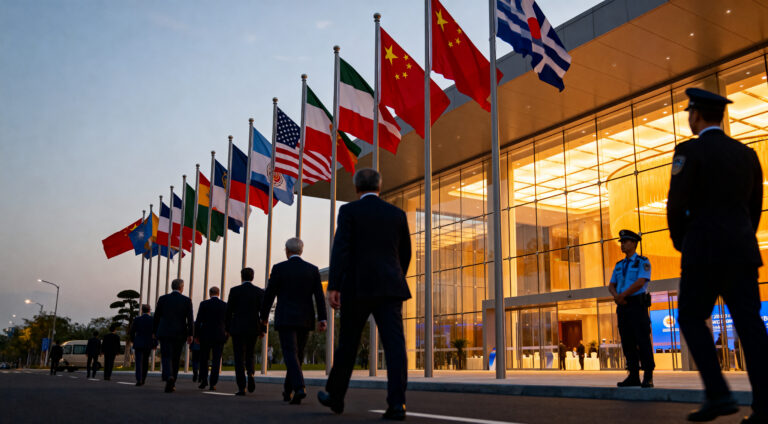
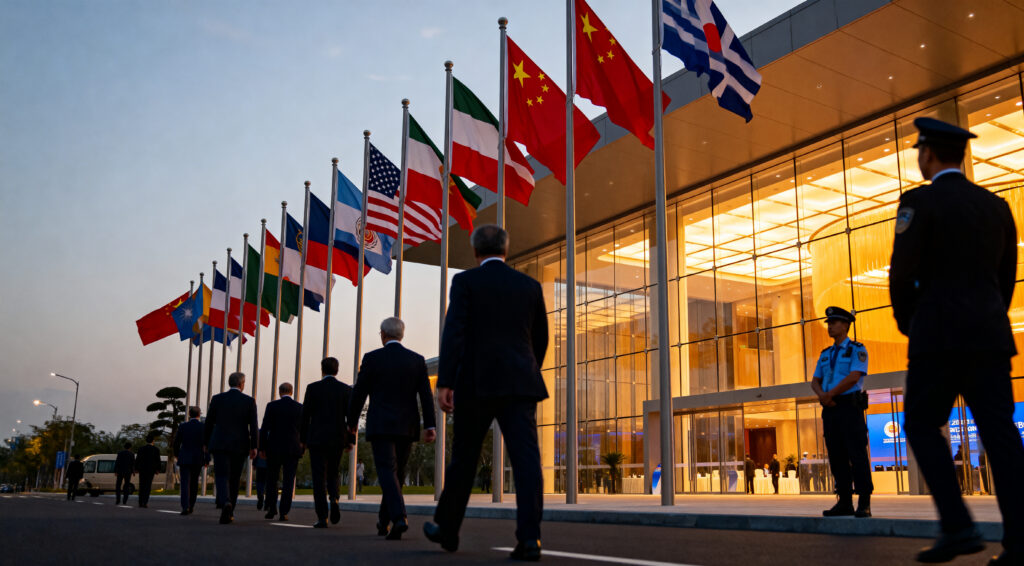
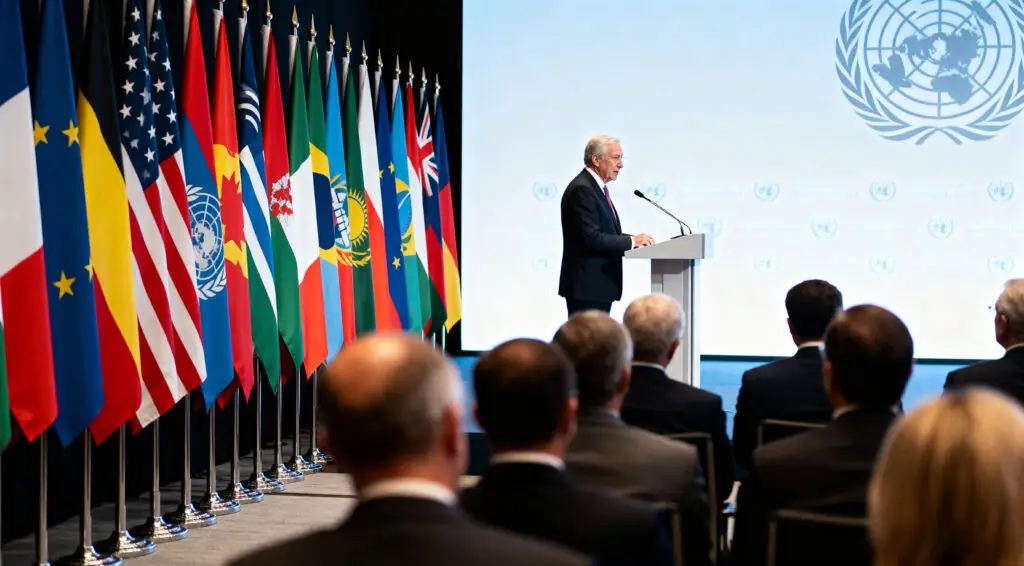
Holding the meeting during the Munich Security Conference underscored the alliance’s global relevance. The gathering of world leaders provided a platform to align priorities not only regionally but also within the broader international order.
As geopolitical competition intensifies, such forums allow partners to synchronize messaging and demonstrate unity. Symbolism matters in diplomacy, and visible cooperation can deter adversaries.
Longstanding Partnership Anchors Regional Stability
Japan remains one of Washington’s oldest and most reliable allies in the Asia-Pacific. Decades of collaboration have fostered interoperability between forces and built deep institutional trust.
That foundation provides resilience even as leadership changes and policy debates arise. Strong alliances often endure precisely because they adapt to shifting strategic landscapes.
Future Cooperation Likely to Deepen
The latest commitments suggest that Tokyo and Washington are preparing for a more uncertain era marked by technological rivalry and contested supply chains. Continued investment in defense capabilities and economic partnerships appears likely.
For both nations, the message is clear: enduring alliances remain essential tools for navigating geopolitical transformation. As challenges evolve, the U.S.-Japan partnership is positioning itself not merely to respond—but to lead in shaping the security architecture of the Indo-Pacific.