Dr. Amara Okafor, a macroeconomist specializing in emerging markets and energy-linked inflation, views the Philippines’ current inflation trend as a classic case of import-driven shock. In our analysis of open economies, countries heavily reliant on imported fuel experience faster price pass-through when global oil markets tighten. For the Philippines, this dynamic directly affects household purchasing power, cost of living, and broader economic resilience.
Rising Oil Prices Drive Inflation Pressure Across the Philippines
According to data from the Philippine Statistics Authority (PSA) and energy pricing trends monitored by the Department of Energy (DOE), rising global oil prices are already feeding into domestic inflation. Fuel, electricity, and transport costs are increasing, placing immediate pressure on Filipino households.
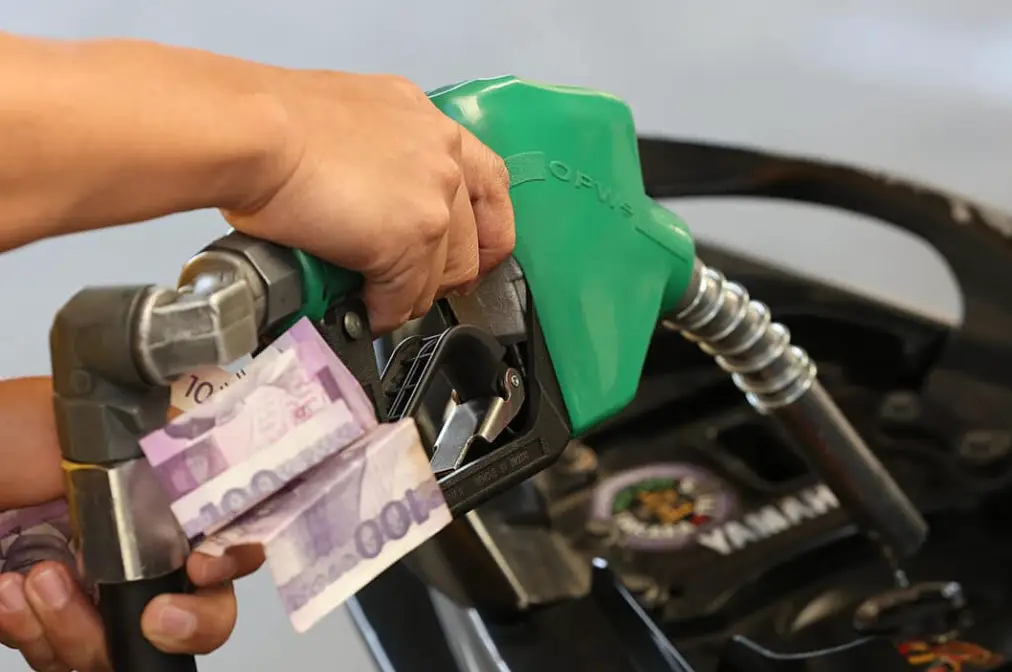
Image source: Inquirer Business – Inquirer.net
Why are oil prices impacting the Philippines so quickly?
The transmission effect is both direct and structural.
In our analysis of energy data and market behavior:
- The Philippines imports nearly all of its crude oil requirements, making it highly exposed to global price movements
- Adjustments in global oil prices are quickly reflected in domestic pump prices due to deregulated pricing mechanisms
- Supply risks in key routes such as the Persian Gulf increase volatility
This structure means that external shocks rapidly translate into local inflation.
Key drivers of price transmission:
- Heavy reliance on imported fuel
- Exposure to global shipping and supply routes
- Limited domestic energy buffers
- Immediate pricing adjustments in deregulated markets
How are Filipino households being affected?
The impact is increasingly visible in everyday expenses.
In our assessment, supported by PSA inflation data:
- Rising fuel prices are increasing transportation costs nationwide
- Higher generation costs are pushing electricity rates upward
- Inflation is disproportionately affecting low- and middle-income households
The Bangko Sentral ng Pilipinas (BSP) has also noted that energy and transport costs remain key drivers of inflationary pressure.
Household-level impact:
- Increased commuting and logistics expenses
- Higher electricity bills linked to fuel-based generation
- Reduced disposable income for essential goods
- Greater financial strain across urban and rural areas
How much have fuel prices increased recently?
Recent price movements indicate sustained upward pressure.
Based on DOE-monitored adjustments and industry reports:
- Pump prices have risen consistently over several consecutive weeks
- Increases in gasoline, diesel, and kerosene have accumulated significantly
- Total price adjustments in many areas have reached approximately ₱7 to ₱13 per liter over recent cycles
These trends suggest a persistent increase rather than a short-term fluctuation.
Energy price shock and household impact framework
Based on DOE data, PSA inflation trends, and macroeconomic analysis, the following framework summarizes current conditions.
| Indicator | Current Signal | Market Impact (Philippine Economy) |
|---|---|---|
| Global Oil Prices | Rising | Higher domestic fuel costs |
| Fuel Price Trend | Sustained increases | Transport and logistics inflation |
| Electricity Rates | Increasing | Higher household expenses |
| Import Dependence | Very high | External vulnerability |
| Inflation Pressure | Strengthening | Reduced purchasing power |
| Remittance Stability | At risk (conditional) | Potential income sensitivity |
Why is electricity becoming more expensive?
Electricity prices are closely tied to fuel costs in the Philippine energy mix.
In our analysis of DOE and industry data:
- A significant portion of power generation relies on fuel-based sources
- Rising global oil prices increase generation costs
- Transmission and distribution charges add to overall pricing pressure
These factors contribute to higher electricity rates for consumers.
Key contributors to rising power costs:
- Fuel-dependent generation mix
- Global oil price fluctuations
- Infrastructure and transmission expenses
How does Middle East tension affect OFWs and remittances?
The economic impact extends beyond domestic price levels.
According to government data and international labor reports:
- Millions of Overseas Filipino Workers (OFWs) are deployed in the Middle East
- Regional instability may affect employment conditions and safety
- Remittances, which account for roughly 9–10% of Philippine GDP, could face pressure if disruptions occur
This introduces a second layer of economic risk tied to external geopolitical developments.
What is the government doing to manage the situation?
The administration of Ferdinand Marcos Jr. is exploring policy responses to mitigate inflation.
In our observation of government initiatives:
- Discussions on fuel tax adjustments to cushion price increases
- Energy conservation campaigns to reduce consumption
- Contingency planning for OFW protection and possible evacuation
While these measures may ease short-term pressure, global oil price movements remain a key external factor.
How does ASEAN leadership factor into this situation?
The Philippines’ regional role adds complexity to domestic economic management.
In our view:
- Participation in ASEAN requires balancing internal economic challenges with regional commitments
- Leadership responsibilities may involve additional fiscal and diplomatic resources
- Coordination with neighboring economies becomes critical during global uncertainty
This creates a dual challenge of maintaining domestic stability while contributing to regional cooperation.
What should Filipinos and investors watch next?
The outlook depends on both global and domestic developments.
In our analysis, key indicators include:
- Movement of global oil prices and supply disruptions
- Future adjustments in electricity rates
- Policy actions from the BSP and national government
- Stability of OFW employment and remittance flows
The broader takeaway is structural: the Philippines remains highly exposed to external energy shocks. Strengthening energy diversification, improving infrastructure, and enhancing economic resilience will be critical for managing long-term inflation and sustaining growth.