Indo-Pacific Security Reaches Central Europe
A maritime dispute thousands of miles away is now being framed as a direct economic risk to Central Europe. Philippine officials recently highlighted how tensions in the South China Sea could threaten the economic stability of the Czech Republic and other European economies.
The issue was discussed at a forum in Prague titled “Security in the Indo-Pacific,” hosted by the Philippine embassy and attended by diplomats, policymakers, experts, and academics.
Legal Foundations of the Dispute
Philippine Ambassador Eduardo Martin Meñez emphasized the country’s 2016 legal victory against China under the United Nations Convention on the Law of the Sea.
An arbitration tribunal ruled that China’s expansive “nine-dash line” claim has no legal basis and confirmed that key areas such as Reed Bank, Second Thomas Shoal, and Mischief Reef fall within the Philippines’ exclusive economic zone.
Escalating Tensions on the Water
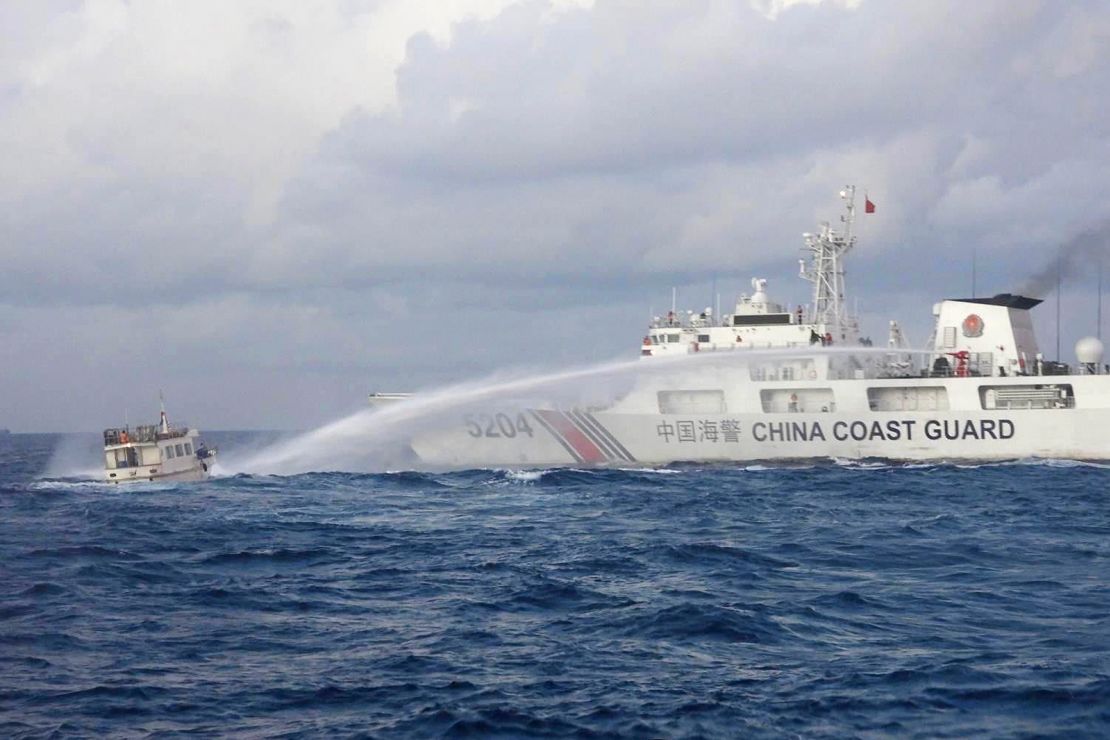
Meñez also detailed recent incidents involving Chinese vessels, including water cannon attacks that injured Filipino fisherfolk in December. These actions, he said, represent illegal and coercive behavior that undermines international law and maritime stability.
Such incidents, officials argue, increase the risk of disruption in one of the world’s most critical trade corridors.
Recommended Article: U.S. Economy Defies Slowdown Fears as Consumer Spending Stays Strong
Global Trade at Stake
An estimated $3.4 trillion in global trade passes through the South China Sea annually. Any major conflict or blockade could disrupt shipping lanes vital to European supply chains, including the flow of semiconductors essential to the Czech automotive industry.
Officials warned that even temporary disruptions could ripple across manufacturing, logistics, and export-dependent sectors in Europe.
European Analysts Echo Concerns
Czech analyst Project Sinopsis highlighted how China’s “gray-zone” tactics and dual-use infrastructure in the region pose systemic risks beyond Asia.
He stressed that the outcome of tensions in the South China Sea will shape the future Indo-Pacific security order and directly affect European economic and strategic interests.
Shared Commitment to International Law
Participants noted strong parallels between the Philippines’ legal stance under UNCLOS and the Czech Republic’s commitment to international rules-based order. The forum helped reframe the dispute from a regional issue into a broader challenge with global implications.
Attendees welcomed the discussion for clarifying how maritime security in Asia intersects with European prosperity.
Looking Toward 2026 Milestones
The year 2026 will mark the tenth anniversary of the landmark arbitration ruling and coincide with the Philippines’ chairmanship of ASEAN. Officials said these milestones offer opportunities to deepen cooperation with partners in Europe and beyond.
Philippine representatives concluded that defending international law in the South China Sea is not only a regional concern, but a matter of shared economic and strategic interest for nations worldwide.