Shockwaves Across Asian Trade Capitals
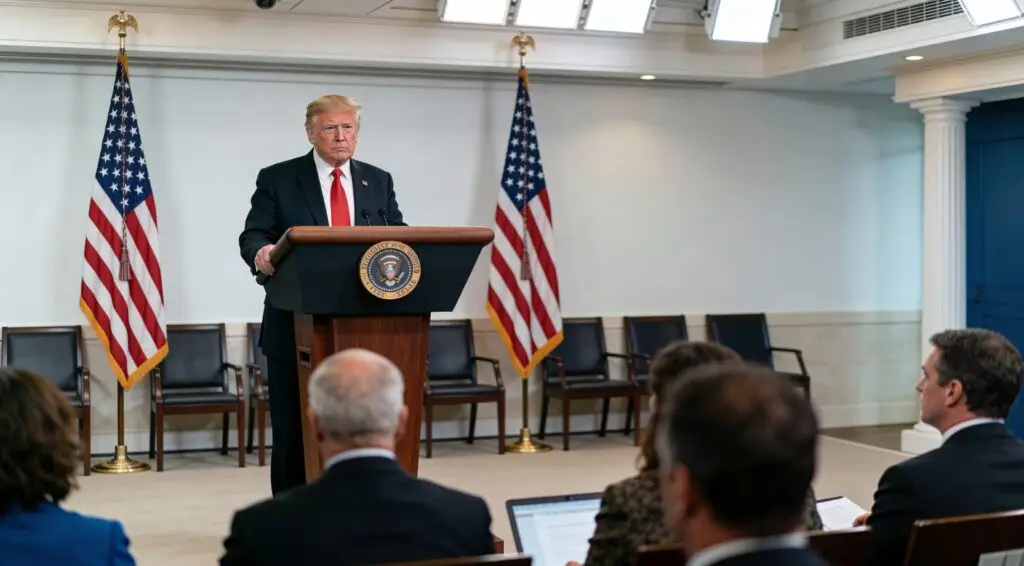
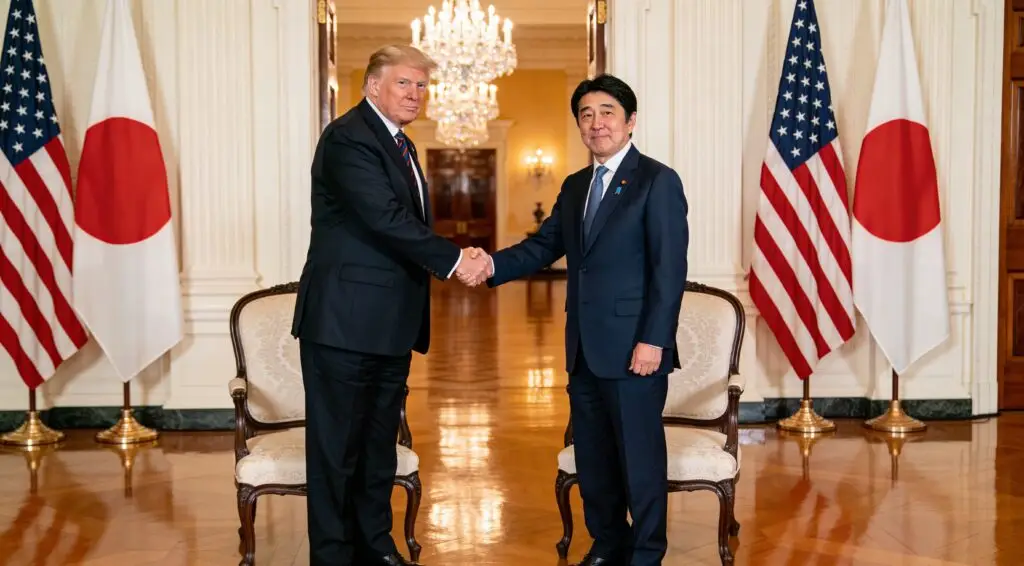
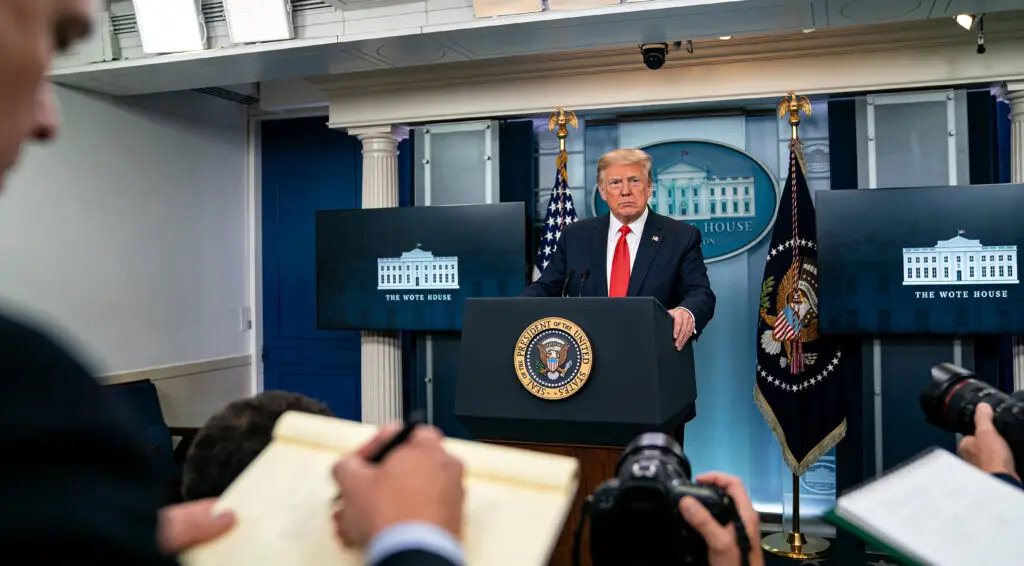
Asian governments are recalibrating trade strategies after the Supreme Court of the United States ruled that many emergency tariffs imposed by Donald Trump were unlawful. The decision disrupted months of negotiations between Washington and key export-driven economies.
Countries such as Japan, India, South Korea, Taiwan, and Indonesia had structured trade concessions around tariff relief. With the legal basis for those duties removed, policymakers must now reassess both the benefits and risks of recent agreements.

A Temporary 15% Global Tariff Adds Complexity
In response to the ruling, the Trump administration announced a new 15% global tariff under a different statutory framework. Unlike the invalidated emergency measures, this tariff carries a limited duration and requires congressional approval for extension.
The temporary nature of the levy creates additional uncertainty. Exporters face difficulty pricing contracts when trade costs may change within months.
China Watches Carefully Ahead of Summit
China is conducting what officials describe as a “comprehensive assessment” of the ruling and its implications. Beijing is preparing for a high-level meeting between Trump and Xi Jinping, where trade stability will likely dominate discussions.
Although the ruling appears to reduce Washington’s immediate leverage, analysts suggest China will avoid public triumphalism. Preserving diplomatic momentum ahead of the summit may outweigh short-term rhetorical advantage.
Recommended Article: US Economy Shows Strength but Deep Inequality Clouds Outlook
Japan and South Korea Express Caution
Japan and South Korea have both signaled that they are reviewing the ruling’s impact. Officials in Tokyo emphasized the need to carefully evaluate how new tariff structures will interact with previously negotiated commitments.
South Korea’s trade ministry raised questions about potential refunds for tariffs already paid under the invalidated framework. For economies deeply integrated into US supply chains, clarity is essential to planning investment and production decisions.
Southeast Asia’s Negotiation Dilemma
Indonesia recently secured lower tariff rates in exchange for expanded market access to the United States. With the emergency tariff baseline now struck down, parts of that agreement may require redrafting.
Smaller Southeast Asian economies face a delicate balancing act. While they seek stable export access to the US, they are also cautious about provoking retaliatory measures from Washington during a period of legal transition.
Semiconductor and Strategic Sectors
Taiwan, a global leader in semiconductor manufacturing, indicated that key technology exports may not be directly affected by the new global tariff. Nevertheless, even limited duties can influence pricing structures in high-value supply chains.
Electronics, pharmaceuticals, and energy products could receive exemptions, but implementation details remain under discussion. Exporters must now navigate a patchwork of sector-specific adjustments.
Economic Impact and Competitive Positioning
A flat 15% tariff affects finished goods exporters more directly than suppliers of intermediate components. Countries that ship completed consumer products to the US may experience greater margin compression.
Meanwhile, nations supplying parts for US-based assembly could see more muted effects. The overall impact will vary by industry, contract terms, and exchange rate movements.
A Region Navigating Policy Volatility
Asian economies built export-oriented growth models around predictable access to major markets. The Supreme Court ruling reduces unilateral tariff authority but introduces procedural and political uncertainty.
Governments across the region are likely to maintain open channels with Washington while hedging through diversification. Strengthening intra-Asian trade ties and expanding partnerships beyond the US may become increasingly important in 2026.