How Trump’s Policies Reshaped Europe’s Strategic Landscape
President Trump’s second term created wide-reaching changes that altered Europe’s political and economic environment significantly. His policies disrupted established alliances and compelled European leaders to reassess long-standing assumptions.
As tensions increased, governments faced immediate pressure to strengthen defense commitments and revise security strategies. These adjustments marked a decisive shift away from previous expectations of guaranteed American support.
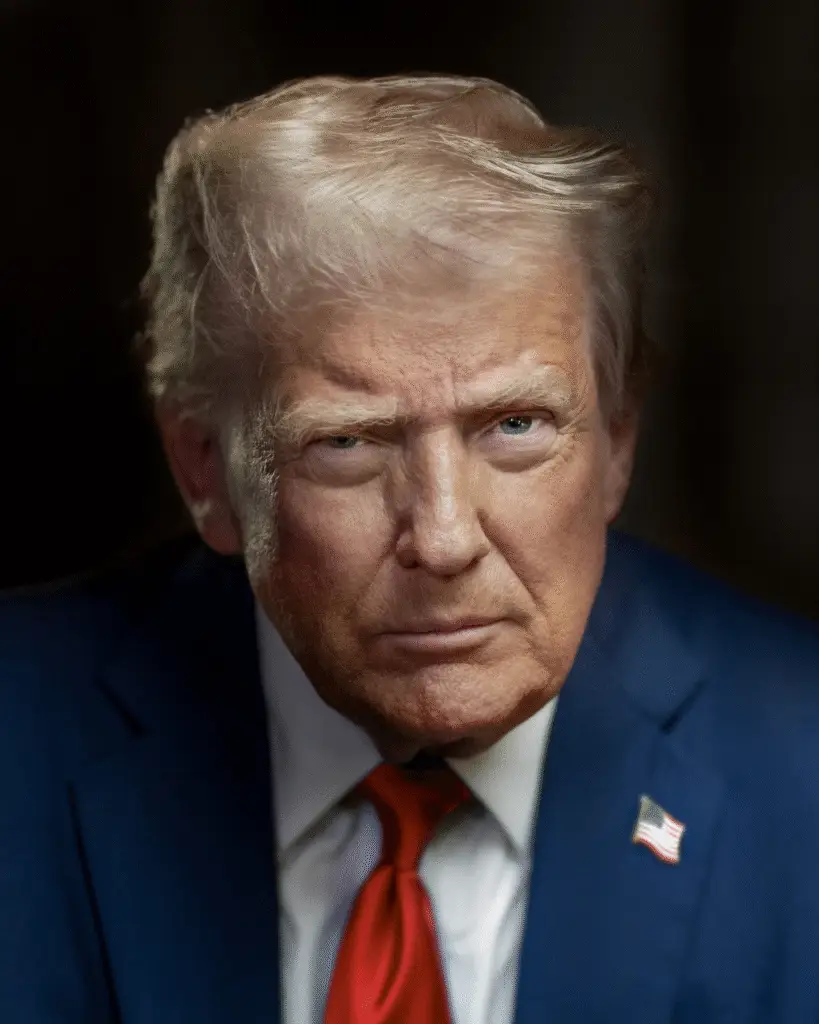
Growing Pressure on Europe’s Defense Responsibilities
Trump’s renewed demand for higher defense spending challenged European nations to increase military investment rapidly. His confrontational approach underscored the need for greater regional self-reliance and stronger collective structures.
Some leaders viewed this pressure as an opportunity to pursue long-delayed reforms in military coordination. Others struggled with the financial and political implications created by abrupt changes in transatlantic expectations.
Economic Strain From Tariffs and Shifting Trade Dynamics
European industries faced severe disruption as Trump introduced tariffs that targeted manufacturing and key export sectors. These measures forced companies to rethink supply chains and adjust their long-term financial planning.
As uncertainty increased, governments and businesses sought new partnerships that provided stability outside traditional U.S. ties. This redirected focus encouraged Europe to adopt broader diversification strategies aligned with global market transformations.
Recommended Article: US Forms ‘Pax Silica’ Alliance to Secure AI Supply Chains…
Climate Diplomacy Challenged by U.S. Policy Withdrawals
Trump’s decision to exit major international climate agreements weakened global cooperation on environmental issues. European climate advocates expressed concern as progress slowed due to diminished multilateral engagement.
This shift intensified debates across Europe about how to advance ambitious climate policies independently. The continent faced growing urgency to reinforce resilience and protect long-term sustainability objectives.
Political Identity and Populist Momentum Across Europe
Trump’s rhetoric amplified existing ideological divisions across European societies, energizing populist movements opposed to federal integration. These groups found validation in U.S. political trends that questioned traditional democratic norms.
At the same time, the broader public increasingly rallied around European unity in response to geopolitical instability. This contrast revealed deep tensions influencing elections, policymaking, and public discourse across the region.
Strategic Autonomy Emerges as a Central European Priority
European leaders recognized the necessity of strengthening autonomy in security, technology, and economic policy. Coordinated initiatives focused on enhancing defense capabilities and building internal resilience gained significant momentum.
The call for strategic independence marked a defining transformation in the continent’s long-term direction. This shift reflected Europe’s determination to reduce vulnerability to unpredictable external decisions.
Europe Confronts a Future Requiring Stronger Collective Action
Trump’s influence ultimately forced Europe to confront structural limitations that were previously overlooked. The continent realized it must adapt quickly to navigate a world shaped by shifting alliances and intensifying geopolitical competition.
This period of disruption may serve as a catalyst for deeper cooperation and renewed European identity. Leaders now face the challenge of converting lessons learned into sustainable long-term strategies.