Rising Oil Prices Begin Affecting Filipino Households
The escalating conflict in the Middle East is beginning to affect daily life in the Philippines as global oil prices continue to rise. Although the crisis is taking place thousands of kilometers away, its economic consequences are already reaching Filipino households through higher fuel and transportation costs.
Because the Philippines imports the majority of its energy needs, global oil price movements quickly translate into domestic price increases. When geopolitical tensions threaten supply routes in the Persian Gulf, the effects are often felt immediately in importing economies like the Philippines.

Heavy Dependence on Middle East Oil
The Philippines relies heavily on imported oil from the Middle East to power transportation, electricity generation, and various industries. Estimates show that roughly 90% of the country’s oil supply originates from the region.
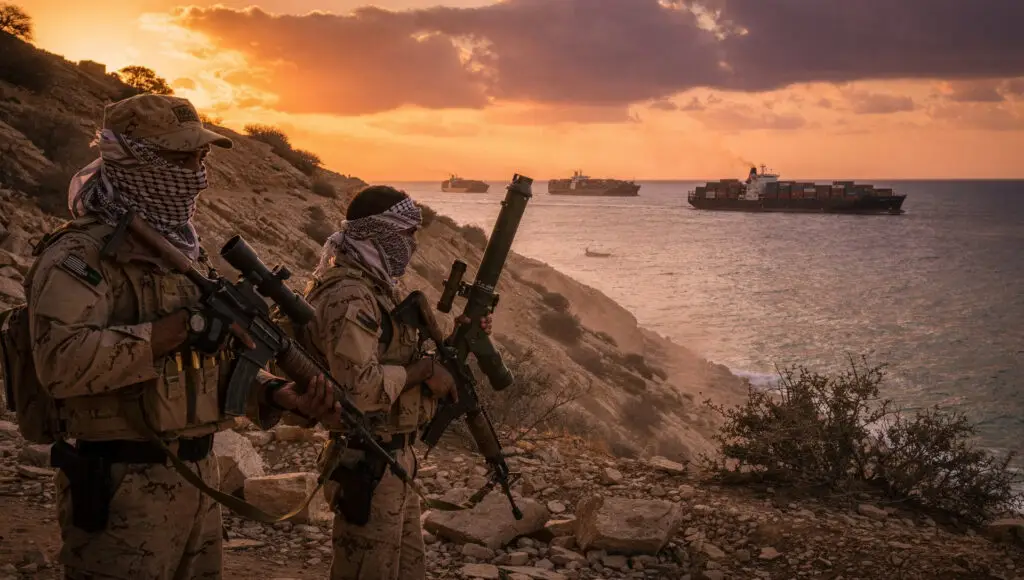
This level of dependence makes the Philippine economy particularly vulnerable to geopolitical instability. When tensions rise around critical shipping routes such as the Strait of Hormuz, energy costs can surge rapidly.
Fuel Prices Continue to Climb Nationwide
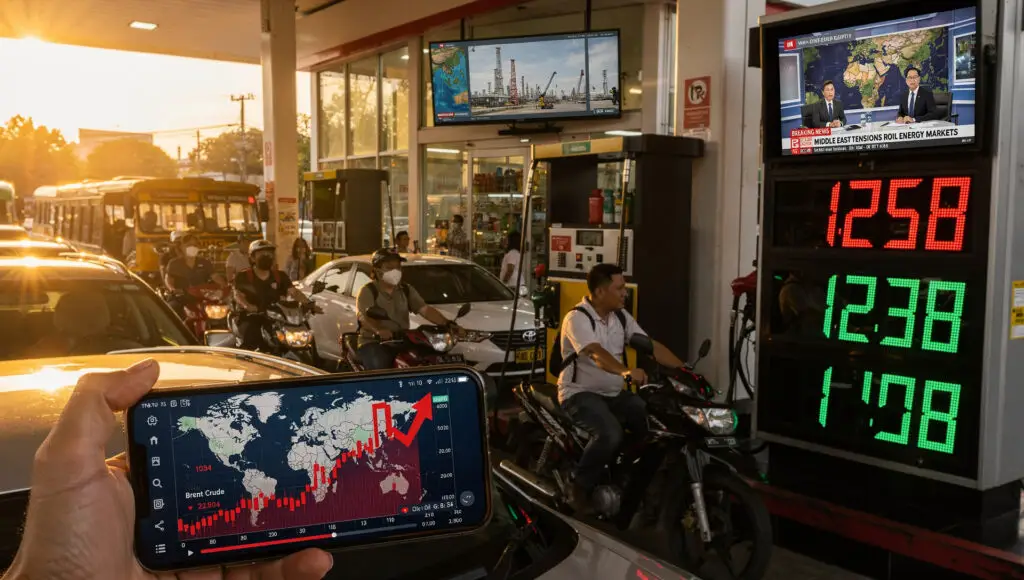
Fuel prices across the Philippines have already increased sharply in recent weeks. Gasoline prices rose by approximately ₱1.90 per liter, while diesel and kerosene prices also recorded significant increases.
These increases represent the ninth consecutive week of gasoline price hikes and the eleventh straight increase for diesel and kerosene. In some areas, reports suggest fuel prices have risen between ₱7 and ₱13 per liter since early March.
Electricity Costs Add to Inflation Pressure
Higher energy prices are also affecting electricity costs. Power distributor Meralco recently announced a rate increase of 64 centavos per kilowatt-hour, pushing the total residential rate to around ₱13.82 per kWh.
The increase reflects higher generation costs and transmission charges linked to rising global fuel prices. As energy costs climb, inflation pressures continue to grow for Filipino households already managing tight budgets.
Overseas Filipino Workers Face New Uncertainty
The Middle East crisis is also raising concerns for millions of Overseas Filipino Workers employed in the region. Many Filipinos work in healthcare, construction, and domestic service across countries such as Saudi Arabia, the United Arab Emirates, and Qatar.
Remittances sent by these workers remain a cornerstone of the Philippine economy. Any instability that threatens employment or safety in the region could affect families that rely heavily on overseas income.
Marcos Administration Balances Economic Challenges
President Ferdinand Marcos Jr. and his administration are attempting to mitigate the economic effects of rising energy prices. Government officials have discussed possible responses including fuel tax adjustments, energy conservation programs, and contingency plans for worker evacuation.
These measures aim to soften the economic impact while maintaining stability in domestic markets. However, policymakers acknowledge that global energy price trends remain largely outside the country’s control.
ASEAN Leadership Adds Diplomatic Responsibility
The Philippines is also preparing to chair the Association of Southeast Asian Nations (ASEAN), placing additional pressure on the government during a period of global uncertainty. Hosting the regional summit will require extensive diplomatic coordination and financial planning.
While the role offers an opportunity for regional leadership, it also demands careful fiscal management. The Marcos administration must balance international commitments with domestic priorities such as economic stability and social protection programs.