Kremlin Consolidates Authority Amid External Pressure
Russia entered 2026 facing sustained external pressure from sanctions, geopolitical isolation, and ongoing military commitments. In response, the Kremlin has moved to further consolidate political authority, framing tighter control as necessary for national stability.
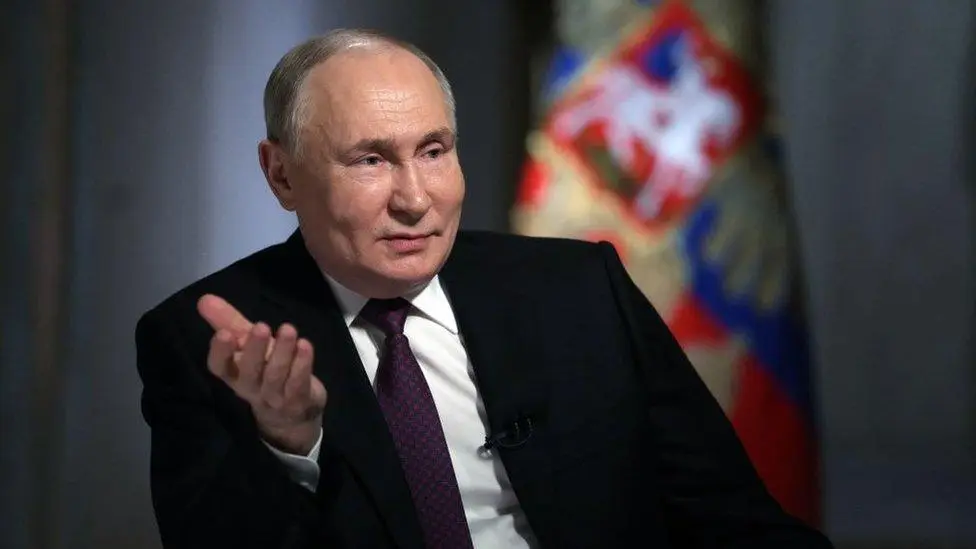
President Vladimir Putin has emphasized unity and discipline, portraying internal dissent as a vulnerability exploited by foreign adversaries. This narrative has justified expanded oversight across political, media, and civil institutions.
Security Framing Dominates Domestic Politics
Security concerns increasingly shape Russia’s domestic political agenda. Officials argue that wartime conditions and economic confrontation with the West require extraordinary measures to protect sovereignty.
New legal provisions have broadened the definition of activities considered harmful to state interests. Critics say these measures blur the line between national security and political suppression, while supporters insist they are defensive necessities.
Economic Constraints Influence Governance Style
Russia’s economic outlook in 2026 remains constrained by sanctions, restricted access to capital, and reduced export flexibility. While the economy has avoided collapse, slower growth has limited fiscal room for social spending.
These pressures have reinforced centralized decision-making. Rather than liberalizing markets or decentralizing authority, the government has prioritized control over key industries and financial flows to manage risk.
Recommended Article: Russia Condemns U.S. Threats, Warns Against Foreign Intervention in Iran
Media and Information Controls Intensify
Information management has become a central pillar of political control. State-aligned media dominate narratives around economic resilience and geopolitical confrontation, while independent outlets face mounting restrictions.
Digital platforms are increasingly regulated, with authorities monitoring content deemed destabilizing. The Kremlin argues that information sovereignty is essential in an era of hybrid warfare, where narratives can influence public morale as much as military outcomes.
Regional Governance Faces Reduced Autonomy
Regional leaders are experiencing tighter oversight from federal authorities. Budget allocations, security appointments, and policy implementation are increasingly coordinated from Moscow.
This shift reduces regional flexibility but enhances uniformity across the federation. Analysts note that local leaders now prioritize alignment with federal objectives over independent governance, reshaping Russia’s internal power dynamics.
Public Response Remains Muted but Uneven
Public reaction to tighter political controls has been subdued overall, reflecting both fatigue and caution. While large-scale protests are rare, localized discontent persists over living standards, inflation, and service quality.
The government has responded with targeted social support and messaging rather than broad reforms. This approach aims to manage dissatisfaction without altering the underlying political structure.
International Isolation Reinforces Internal Discipline
Russia’s diplomatic isolation has reinforced the leadership’s inward focus. Reduced engagement with Western institutions has been reframed as strategic independence rather than exclusion.
This posture strengthens arguments for self-reliance and internal cohesion, even as economic trade-offs persist. Political loyalty is increasingly portrayed as a patriotic duty during a prolonged period of confrontation.
Russia’s Political Trajectory in 2026
Russia’s political direction in 2026 reflects adaptation rather than transformation. The system prioritizes endurance, control, and predictability over openness or reform.
As economic and geopolitical pressures continue, the Kremlin appears committed to maintaining stability through centralized authority. Whether this model remains sustainable will depend on economic resilience and public tolerance in the years ahead.