Clara Whitmore, an investigative journalist specializing in political systems and institutional trust, views the defection as part of a broader shift in regional power dynamics. Drawing from her analysis of electoral behavior, Whitmore explains that incremental gains by smaller parties often reflect deeper voter dissatisfaction that may not yet be fully captured in national polling data. She notes that monitoring local defections can provide early signals of wider political realignment and shifting public confidence in established leadership structures.
Hartlepool Political Realignment Highlights Reform UK Rise
A former Conservative council leader in Hartlepool has defected to Reform UK, citing declining confidence in party leadership at both local and national levels. The move highlights evolving political alignments at the council level, where smaller parties are beginning to secure incremental representation.
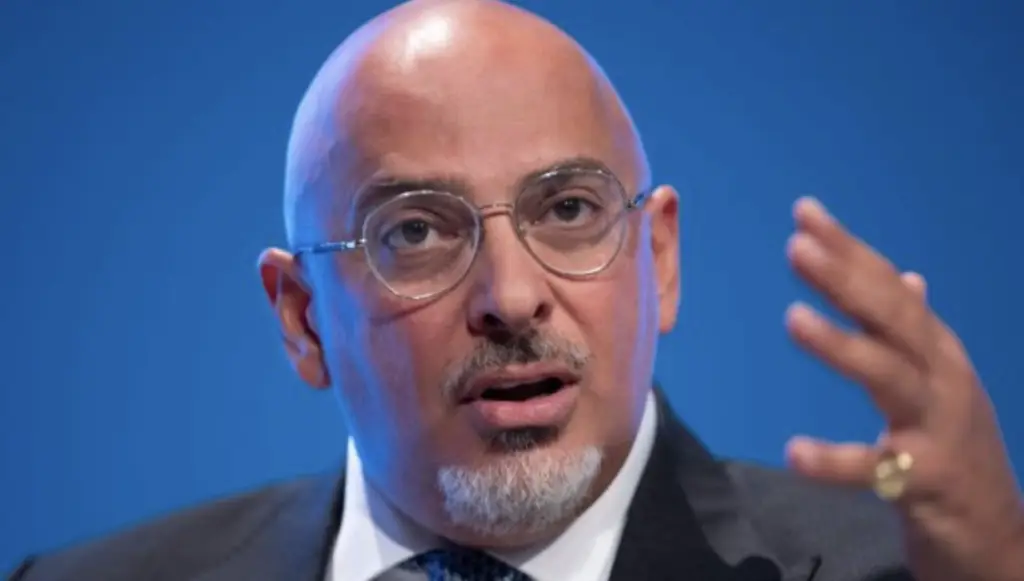
Image source: Politics Home
Who is the councillor and why did he switch?
Mike Young, who represents the Rural West ward and previously served as leader of Hartlepool Borough Council, confirmed his departure from the Conservative Party.
First elected in 2018 and serving as council leader during the 2023–24 municipal year, Young stated that he no longer believes the Conservatives can provide effective leadership. He emphasized the importance of maintaining continuity in local economic initiatives, particularly those focused on investment and regeneration.
How does this change the council balance?
The defection increases Reform UK’s presence within Hartlepool’s local authority and reflects a gradual shift in council representation.
Current composition includes:
- 22 Labour councillors
- 5 independents
- 4 Conservatives
- 4 Reform UK councillors
- 1 Independent Union representative
Young becomes the second Conservative councillor to defect in recent months, reinforcing a pattern of incremental change within the council.
How do local politics shape UK policy and investment?
Local political shifts can influence economic planning and policy execution, particularly in areas such as infrastructure, housing, and regional development.
Key implications include:
- Councils playing a role in approving regeneration and investment projects
- Political fragmentation potentially affecting policy continuity
- Changing party dynamics signaling evolving voter sentiment
While national policy remains driven by central government, local governance trends often act as early indicators of broader political change.
Is Reform UK gaining momentum locally?
Recent developments suggest that Reform UK is gradually expanding its presence at the local level.
Notable indicators include:
- By-election wins in Hartlepool wards
- Additional defections from Conservative councillors
- Increased visibility in council-level governance
Despite these gains, the party’s overall representation remains limited compared to major parties, and its influence is constrained by Labour’s majority control within the council.
What are the implications for local policy?
Changes in council composition may influence policy direction across several areas.
Potential impacts include:
- Adjustments to economic regeneration strategies
- Shifts in allocation of local funding and resources
- Variations in planning and development approvals
However, policy outcomes will depend on collaboration between parties, particularly in councils with fragmented representation.
What risks and uncertainties remain?
The broader impact of local political realignment remains uncertain and may evolve over time.
Key considerations include:
- Policy stability in ongoing development projects
- Governance efficiency in a more fragmented council structure
- Electoral volatility ahead of future local and national elections
- Potential spillover effects into national political trends
While current developments remain localized, they may contribute to longer-term shifts in the UK’s political landscape.
Hartlepool Council Political Composition
| Metric | Current Status | Implication |
|---|---|---|
| Reform UK Seats | 4 | Gradual expansion |
| Conservative Seats | 4 | Reduced influence |
| Labour Majority | 22 | Stable control |
| Recent Defections | Increasing | Shift in alignment |
| Policy Impact | Moderate | Localized influence |
Localized Shift with Broader Political Signals
The defection of a former Conservative council leader to Reform UK reflects evolving dynamics within UK local politics. While the immediate impact is confined to council composition, the development highlights growing pressure on established parties and the gradual emergence of alternative political movements.
As local political changes continue to unfold, they may provide early insight into broader shifts in voter sentiment, institutional trust, and the direction of UK politics at the national level.