

Krugman Sees an “Economic Divorce” Emerging
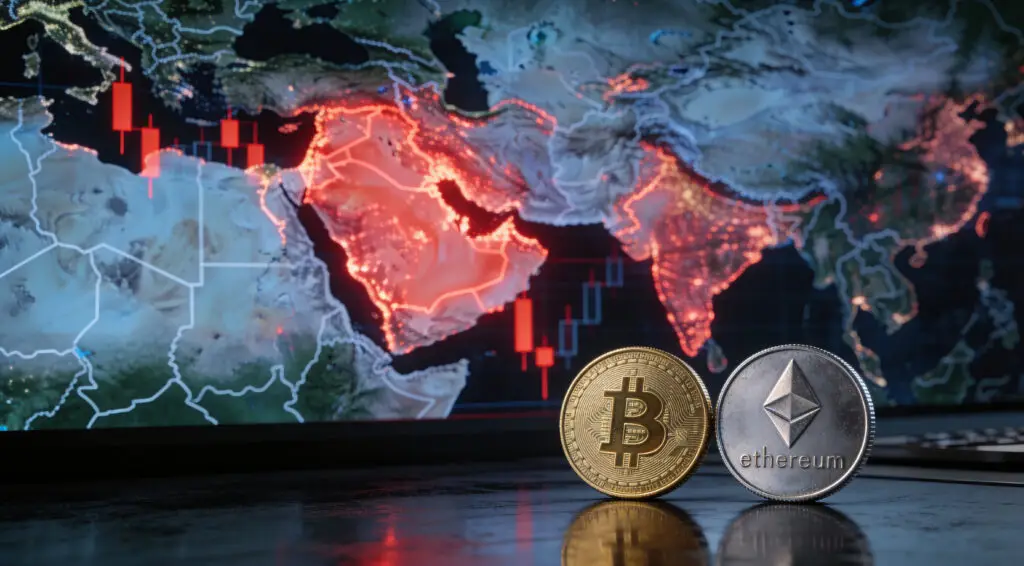
Paul Krugman has warned that the global economy may be gradually pivoting away from the United States, a shift he argues could leave Americans materially poorer over time. Writing on his Substack platform, the Nobel Prize–winning economist pointed to the newly announced trade agreement between the European Union and India as a sign of changing alignments.
Krugman described the agreement as more than a conventional tariff-lowering exercise. In his view, it reflects a broader strategic recalibration among major economies that are increasingly wary of unpredictable trade policy from Washington.
The EU–India Pact Signals Strategic Realignment
The trade breakthrough between India and the European Union was described by European Commission President Ursula von der Leyen as “the mother of all deals.” While Krugman cautioned against hyperbole, he acknowledged the agreement’s historical significance.
The European Union’s economy rivals that of the United States in size, while India has emerged as one of the fastest-growing major economies globally. By deepening integration between these two markets, both sides reduce their reliance on American trade flows and political stability.

Complementary Economic Strengths
Krugman argued that the EU and India possess complementary economic profiles. European manufacturers, particularly in the automotive and high-end industrial sectors, could benefit from lower Indian tariffs. In turn, India’s labor-intensive exports stand to gain improved access to European consumers.
Such complementarity makes the partnership economically rational independent of geopolitics. However, Krugman contends that political motivations—specifically, hedging against U.S. unpredictability—have accelerated negotiations that had previously stalled for years.
Trump’s Trade Strategy Under Scrutiny
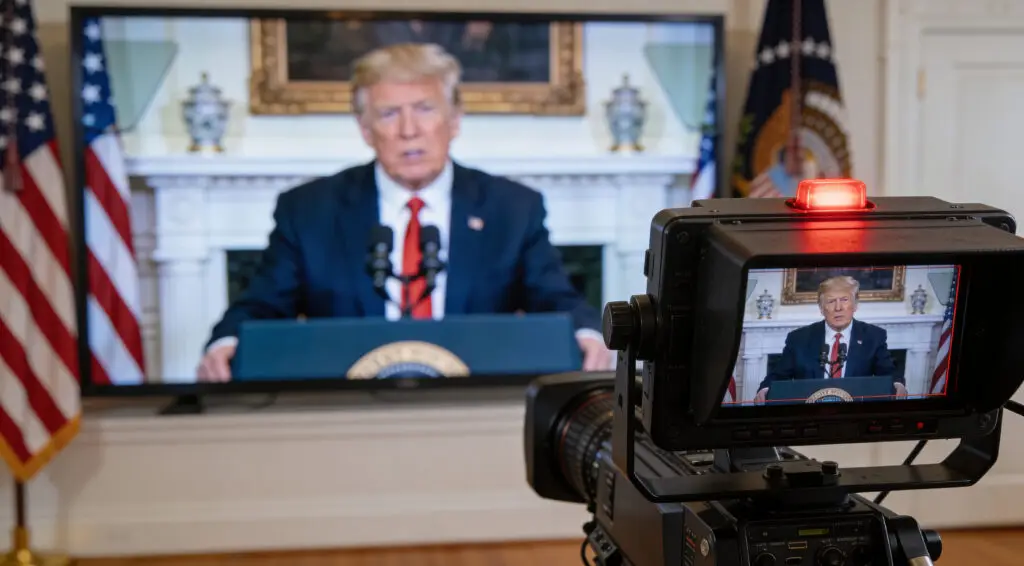
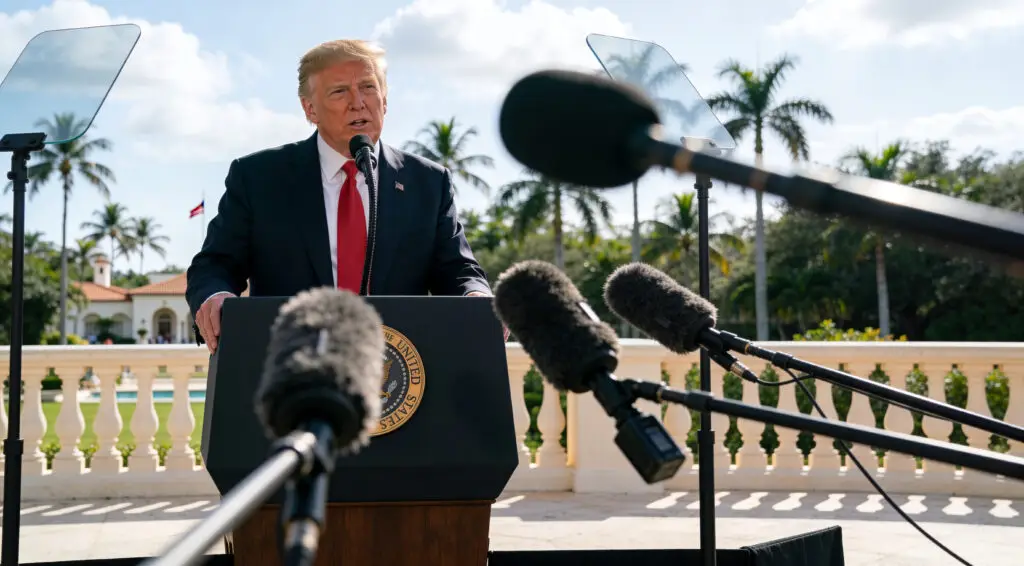
Krugman’s critique centers heavily on the policies of Donald Trump. He argues that the administration’s frequent tariff threats and transactional approach to alliances have eroded trust among long-standing partners.
According to Krugman, the Trump administration views global trade as a zero-sum competition in which America must dominate or risk exploitation. In contrast, the EU–India framework reflects a traditional view of trade as mutually beneficial.
Investment Pledges Versus Binding Agreements
The economist also distinguished between binding trade agreements and headline-grabbing investment announcements. He cited analysis suggesting that some claimed multi-trillion-dollar commitments tied to U.S. policy lack detailed documentation or enforceable terms.
By contrast, comprehensive trade agreements involve negotiated tariff schedules, dispute resolution mechanisms, and regulatory harmonization. Krugman suggested that enforceable frameworks create durable integration, while rhetorical deals may not materially shift economic fundamentals.
Foreign Firms Reassess U.S. Exposure
Krugman pointed to several corporate decisions as evidence that diversification is already underway. Reports indicate that German automakers have reconsidered U.S. manufacturing investments due to tariff uncertainty. At the same time, European investment in China has reportedly risen despite geopolitical tensions.
Such shifts, he argues, illustrate that governments are not the only actors recalibrating exposure to the U.S. market. Private firms also weigh long-term stability when allocating capital across regions.
Market Dependence May Be Overstated
A key data point highlighted in Krugman’s analysis concerns trade dependence ratios. On average, exports to the United States account for less than 5% of other countries’ GDP, excluding close North American partners. By comparison, access to the European Union market represents a higher share for many economies.
If accurate, this imbalance suggests that U.S. threats to restrict market access may not carry as much leverage as policymakers assume. Countries may calculate that diversification reduces vulnerability to American trade pressure.
Geopolitical Tensions Accelerate Change
Beyond pure economics, diplomatic strains have compounded the shift. European leaders have expressed frustration over U.S. rhetoric regarding trade imbalances, defense spending, and even territorial issues such as Greenland. India, meanwhile, has faced elevated tariffs comparable to those imposed on strategic competitors.
Krugman contends that such policies undermine decades of diplomatic cultivation, particularly in India’s case. Previous administrations sought closer ties with New Delhi as a counterbalance to China’s influence.
A New Global Trading Era
Krugman argues that the post–World War II trade system functioned because the United States was widely viewed as a reliable anchor of a rules-based order. Even when enforcement was imperfect, predictability allowed firms and governments to make long-term commitments.
If that perception erodes, alternative centers of gravity may emerge. The EU–India agreement, in this view, represents not a rupture but a gradual reorientation of global commerce.
Will Americans Feel the Impact?
Krugman’s bottom line is stark: reduced integration and declining influence could translate into slower productivity growth, higher consumer prices, and fewer export opportunities for American firms. Economic isolation rarely manifests overnight, but cumulative effects may become visible over time.
Whether this trajectory continues will depend on future trade negotiations and geopolitical decisions. For now, the EU–India pact stands as a symbol of an evolving global landscape—one in which the United States may no longer occupy an uncontested central position.