

Washington Targets Tech Leadership in Asia-Pacific
The United States is intensifying efforts to strengthen its technological presence across the Asia-Pacific, unveiling a $20 million initiative to support artificial intelligence adoption among partner economies. The move comes as geopolitical competition with China increasingly shifts toward innovation, digital infrastructure, and emerging technologies.
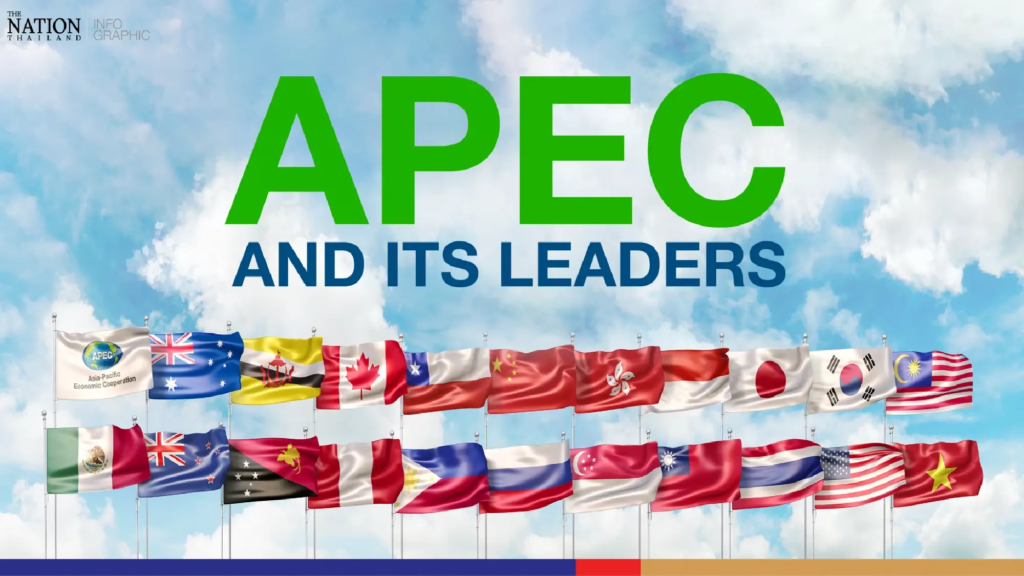
Officials introduced the plan during meetings linked to the Asia-Pacific Economic Cooperation (APEC) forum in southern China. By encouraging regional governments to integrate American-developed tools, Washington hopes to reinforce its leadership while shaping the standards that may define the next era of technological governance.
Fund Designed to Accelerate AI Adoption
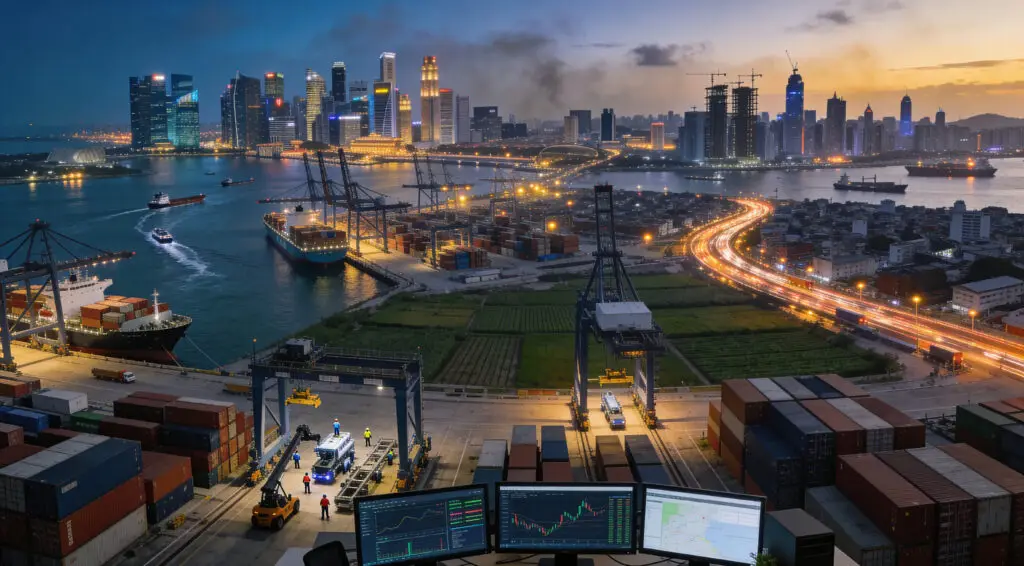
According to U.S. representatives, the funding aims to help economies deploy AI solutions in sectors ranging from logistics to environmental monitoring. Access to advanced tools can enhance productivity while narrowing capability gaps that often limit developing markets.
The initiative reflects a broader strategy centered on exporting both technology and regulatory frameworks. When countries adopt similar standards, interoperability improves, and American firms often gain a competitive advantage in rapidly expanding digital markets.
China Competition Frames Strategic Timing
The announcement arrives amid mounting rivalry between Washington and Beijing over technological supremacy. China has invested heavily in artificial intelligence but continues to face constraints related to advanced semiconductor manufacturing equipment.
American policymakers view this window as an opportunity to consolidate influence. By partnering with regional economies early, the United States may help shape ecosystems before alternative models gain traction.
Recommended Article: Former IMF Official Warns Declining Dollar Trust Could Shake Global…
AI Governance Debate Intensifies Globally
U.S. officials have voiced concern that some governance approaches could enable censorship or centralized control, arguing instead for frameworks that emphasize transparency and accountability. China, for its part, has repeatedly rejected accusations that its technology exports facilitate repression, calling for cooperative global oversight.
This debate underscores how AI is no longer merely an economic asset—it has become a defining feature of geopolitical competition. The rules established today may determine how information flows across borders for decades.
Maritime Technology Emerges as Security Tool
Beyond artificial intelligence, Washington is promoting private-sector innovations aimed at combating illegal, unreported, and unregulated fishing. Satellite vessel tracking, acoustic detection systems, and sensor-equipped ocean buoys are among the technologies under discussion.
Illegal fishing is frequently linked to broader transnational crimes, including forced labor and trafficking. Enhancing maritime awareness can therefore serve both economic and humanitarian objectives while reinforcing sovereignty for smaller coastal nations.
Concerns Grow Over Expansive Fishing Fleets
U.S. officials highlighted the enforcement challenges posed by large distant-water fleets operating across the Pacific. Such activity can strain regional resources and complicate monitoring efforts, particularly for states with limited surveillance capabilities.
Providing technological assistance allows partner countries to better safeguard territorial waters. In doing so, Washington positions itself as both a security collaborator and a provider of high-value innovation.
Trump Administration Signals Long-Term Vision
The initiative aligns with an executive directive aimed at ensuring American AI technologies and governance models achieve global adoption. Policymakers increasingly view technological ecosystems as instruments of national power, capable of shaping economic alliances.
Upcoming diplomatic milestones—including a potential presidential visit to China and the region’s annual APEC leaders’ summit—are expected to further spotlight the intensifying competition.
Economic Stakes Extend Beyond Technology
Leadership in artificial intelligence carries profound economic implications. Nations that dominate AI development often capture disproportionate value through intellectual property, talent attraction, and industrial productivity gains.
For emerging economies, selecting technology partners can influence growth trajectories for years. Aligning with established innovators may accelerate modernization but can also deepen strategic dependencies.
Cooperation and Rivalry Coexist
Despite sharp competition, both the United States and China publicly support international collaboration on AI governance. This dual dynamic—cooperation layered atop rivalry—has become a hallmark of modern geopolitics.
Countries throughout the Asia-Pacific may seek to balance relationships rather than align exclusively with one power. Such hedging strategies could shape the region’s diplomatic landscape.
Technology Becomes the New Geopolitical Frontier
The U.S. push at APEC illustrates how technological capability is increasingly intertwined with national security and economic resilience. Artificial intelligence, once viewed primarily through a commercial lens, now occupies the center of strategic planning.
As adoption accelerates, the contest to define standards and supply critical tools will likely intensify. Whether through funding initiatives or partnerships, Washington’s latest move signals a clear objective: remain at the forefront of a rapidly evolving technological order.