White House Pushes Plan to Secure Strait of Hormuz
The White House is working to assemble an international coalition aimed at protecting ships traveling through the Strait of Hormuz. The initiative follows rising tensions between the United States and Iran after recent military operations in the region.
Officials within the Trump administration say discussions are underway with multiple countries that depend heavily on Middle Eastern oil supplies. The goal is to deploy naval forces capable of escorting commercial vessels through the strategic waterway.
Donald Trump Calls for Allied Naval Support
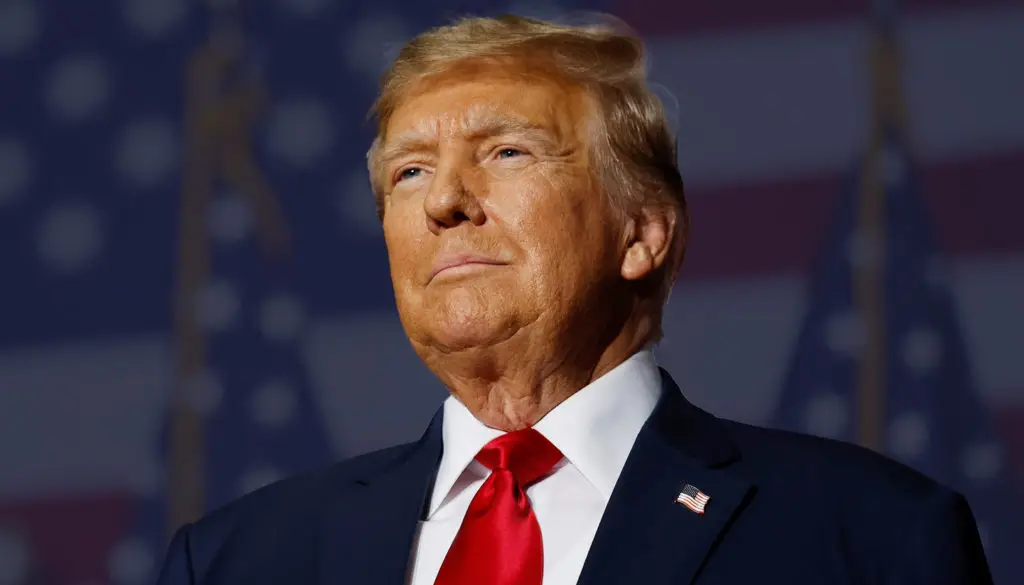
U.S. President Donald Trump has urged allied nations to contribute military resources to ensure the safety of global shipping routes. Speaking aboard Air Force One, Trump said the United States is in active discussions with several governments about joining the security initiative.
Trump argued that countries benefiting from energy shipments passing through the region should help protect those supply routes. The proposal reflects Washington’s effort to distribute responsibility for safeguarding global energy trade.
Strait of Hormuz Remains Vital for Energy Markets
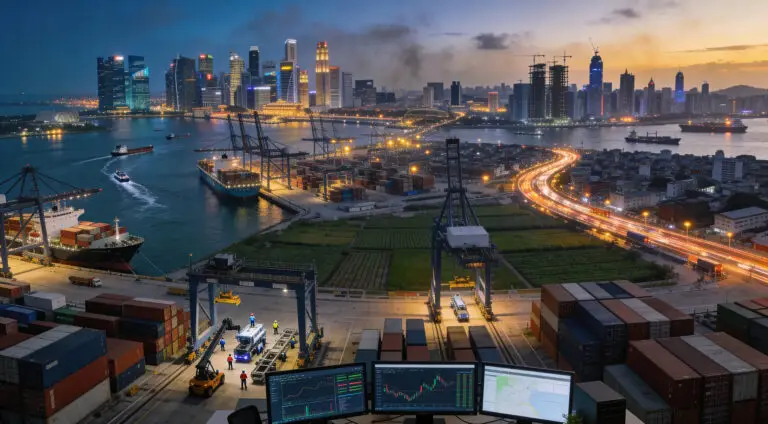
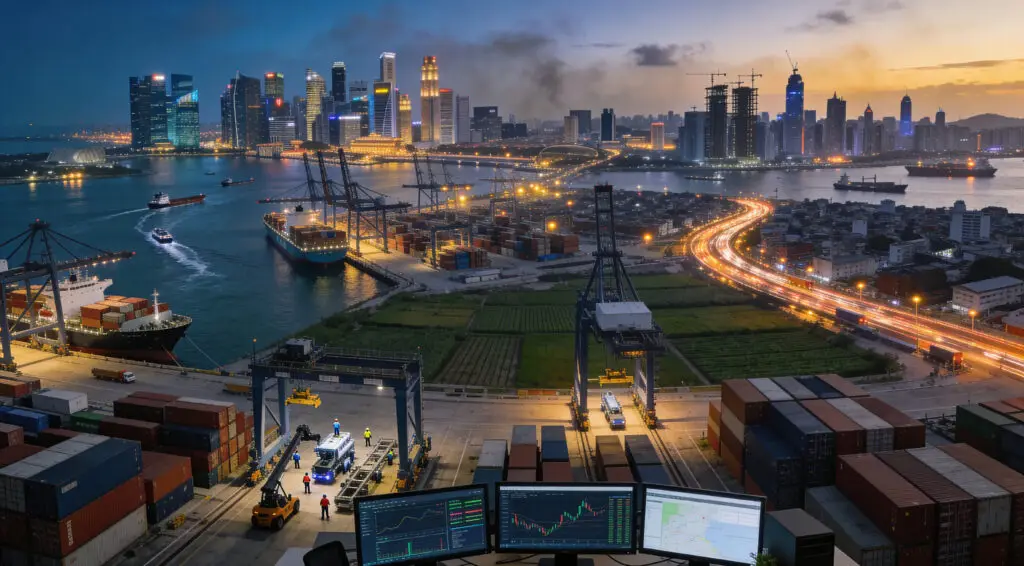
The Strait of Hormuz is one of the most important maritime corridors in the global economy. Roughly one-fifth of the world’s oil shipments pass through the narrow channel connecting the Persian Gulf with international waters.
Because of its strategic significance, even minor disruptions can trigger sharp movements in energy markets. Oil traders closely monitor developments in the region for signs of potential supply interruptions.
Iran Conflict Raises Shipping Concerns
The recent escalation between the United States and Iran has heightened concerns about the security of commercial vessels traveling through the strait. Military operations targeting Iranian infrastructure have increased tensions across the Persian Gulf.
Analysts warn that if the conflict expands, tanker traffic could be disrupted. Any prolonged disruption would likely push oil prices higher and increase volatility across global financial markets.
Coalition Discussions Continue Among Allies
Diplomatic discussions are ongoing between the United States and several potential partner nations. Officials say the coalition could include naval escorts, surveillance operations, and coordination with regional allies.
However, the details of the operation remain under negotiation. Governments participating in the talks are evaluating both military commitments and political implications before making final decisions.
Energy Security Becomes Global Priority
Rising geopolitical risk in the Middle East has placed energy security at the center of international policy discussions. Governments across Europe and Asia are closely monitoring developments because of their reliance on oil shipments from the Persian Gulf.
The International Energy Agency and other institutions have also warned that prolonged instability in the region could threaten global energy supplies. Strategic petroleum reserves may become a key tool if supply disruptions occur.
Global Markets Watch the Next Phase
Financial markets are reacting cautiously as investors assess the potential consequences of the developing conflict. Oil traders, shipping companies, and energy producers are closely following diplomatic developments involving the Trump administration.
Whether the coalition succeeds in stabilizing the region may determine the trajectory of global energy markets in the coming months. Investors are watching for signs that tensions could either escalate further or move toward diplomatic resolution.