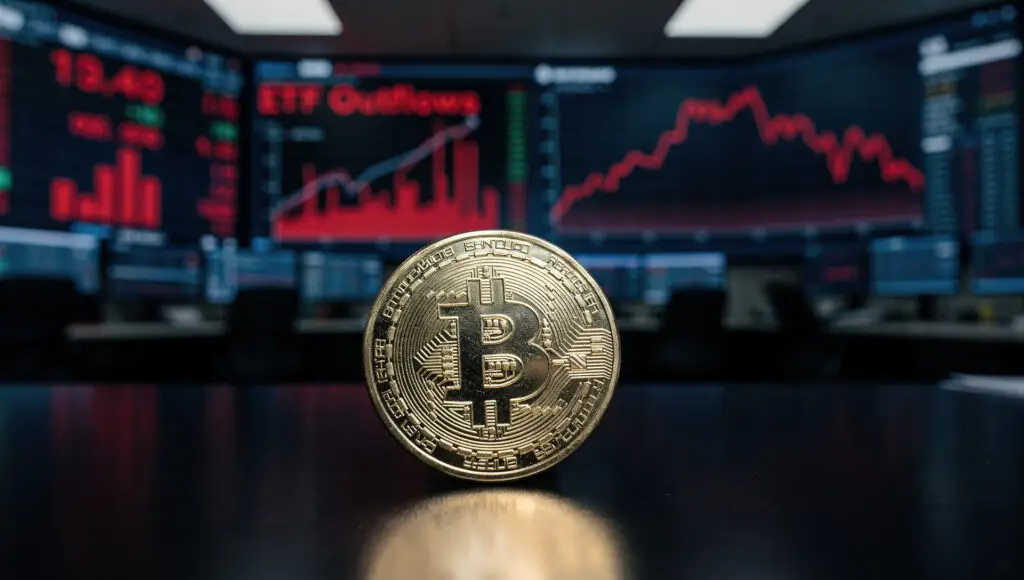


Dr. Amara Okafor, a macroeconomist specializing in fiscal policy and global market stability, describes U.S. government shutdown risks as short-term fiscal disruptions that amplify uncertainty without fundamentally altering long-term economic direction. Drawing from her analysis of policy cycles, Okafor explains that delayed data releases and unclear fiscal signals can distort market interpretation, complicating both central bank decision-making and investor positioning. She adds that prolonged uncertainty may gradually weaken consumer and business confidence, with downstream effects on spending, hiring, and investment activity.
US Government Shutdown Adds Strain to Financial Markets
The prospect of a US government shutdown is adding pressure to financial markets already navigating inflation concerns and signs of labor market softening. While historical data suggests limited long-term economic damage, short-term disruptions may influence sentiment, liquidity conditions, and policy timing.
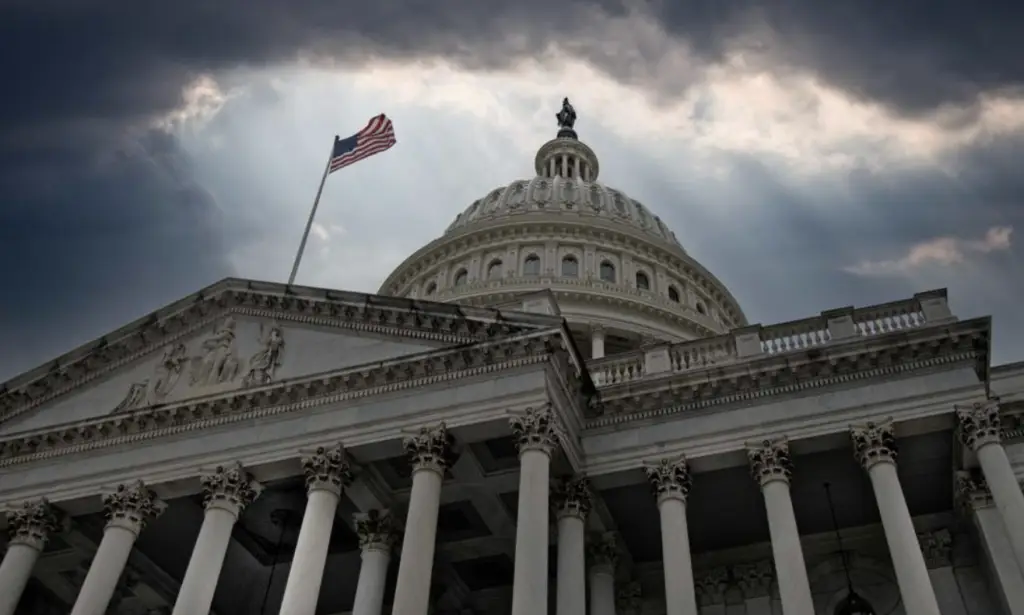
Image source: News24
What happens during a government shutdown?
A shutdown occurs when Congress fails to pass funding legislation, forcing parts of the federal government to suspend operations.
This typically results in:
- Furloughs for nonessential federal employees
- Delays in public services and administrative functions
- Continued work without pay for essential personnel
The scale of disruption depends on the duration and scope of the shutdown, with longer shutdowns creating more pronounced economic and operational effects.
How much does a shutdown affect the economy?
Historical evidence suggests that shutdowns tend to have modest and temporary economic impacts. According to estimates from the Congressional Budget Office, even the longest shutdown on record reduced GDP by approximately 0.4%.
Short-term effects may include:
- Incremental declines in economic output during the shutdown period
- Temporary disruptions to consumption and government-related activity
- Recovery in growth once operations resume
The overall economic effect is typically reversed after government funding is restored.
Why do US Fiscal issues matter for global investors?
The United States remains the central driver of global capital flows, making fiscal disruptions a key concern for investors worldwide.
Key implications include:
- Increased volatility in equity markets during periods of uncertainty
- Delays in economic data releases, affecting market visibility
- Shifts in capital allocation toward defensive or safe-haven assets
Market participants closely monitor fiscal developments, particularly when they coincide with broader macroeconomic challenges such as inflation and slowing growth.
How could the shutdown affect monetary policy?
A shutdown may complicate decision-making for the Federal Reserve by limiting access to real-time economic data.
Delays in key indicators such as employment and inflation reports can reduce visibility into current conditions, making policy calibration more difficult.
At the same time, policymakers are balancing:
- Inflation control
- Labor market stability
- Economic growth support
Federal Reserve Chair Jerome Powell has emphasized the challenges of navigating these competing pressures under uncertain conditions.
How do markets typically respond?
Financial markets have historically shown resilience during shutdown periods, with impacts often limited to short-term volatility.
Analysis from JPMorgan Chase indicates:
- Limited average impact on major equity indices
- Stable performance in Treasury markets
- Temporary spikes in volatility indicators
Markets typically recover once political uncertainty is resolved and normal fiscal operations resume.
What happens to currencies and safe-haven assets?
Currency and bond markets may react differently compared to equities during shutdown scenarios.
Typical patterns include:
- Modest fluctuations in the U.S. dollar
- Increased demand for U.S. Treasury bonds as safe-haven assets
- Limited sustained impact on long-term yields
However, broader macroeconomic conditions, such as inflation trends and global trade dynamics often play a more significant role than the shutdown itself.
What risks should investors consider?
While the direct economic impact may be limited, several risks remain for market participants.
Key considerations include:
- Policy uncertainty from prolonged political deadlock
- Data disruption affecting economic visibility
- Increased market volatility driven by sentiment shifts
- Structural fiscal concerns related to government spending and debt
Rating agencies and analysts continue to monitor long-term fiscal sustainability, which may influence investor confidence beyond the immediate shutdown period.
US Shutdown Impact Indicators
| Factor | Historical Impact | Market Implication |
|---|---|---|
| GDP Effect | ~0.4% (max) | Limited |
| Market Reaction | Mixed | Short-term volatility |
| Treasury Demand | Increased | Safe-haven flows |
| Data Releases | Delayed | Policy uncertainty |
| Credit Risk | Stable | Long-term watch |
Shutdown Duration Key to Broader Economic Effects
A US government shutdown introduces short-term uncertainty into financial markets, particularly through disruptions to data flow, policy signaling, and investor sentiment. However, historical patterns suggest that broader economic impacts tend to remain contained.
The key variables remain the duration of the shutdown and its interaction with existing macroeconomic conditions. As fiscal uncertainty persists, its influence on confidence, investment behavior, and policy decisions may extend beyond immediate market reactions.