

Leaders Reaffirm Long-Term Strategic Partnership
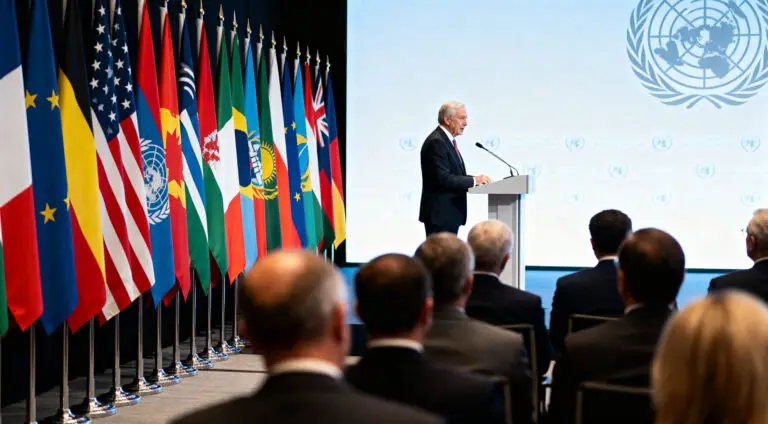
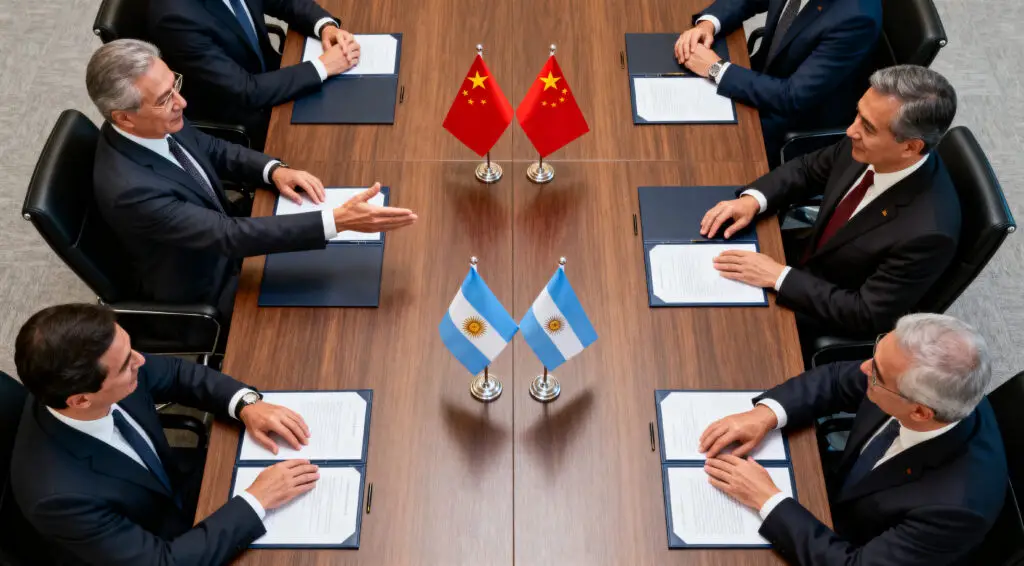
Senior officials from China and Argentina reaffirmed their commitment to expanding bilateral relations during high-level talks held alongside the Munich Security Conference. The meeting underscored a shared intention to strengthen cooperation across economic, technological, and financial sectors.
Both governments emphasized that their partnership has matured over decades, demonstrating resilience despite shifting global dynamics. Diplomatic continuity has helped the relationship weather geopolitical changes while maintaining steady progress in trade and development.
Wang Yi Calls for Expanded Collaboration
Chinese Foreign Minister Wang Yi highlighted the importance of implementing prior agreements reached between President Xi Jinping and Argentine President Javier Milei. He stressed that aligning national strategies could improve economic outcomes and deliver tangible benefits for citizens in both countries.
Wang also encouraged deeper exchanges at multiple governmental levels, arguing that sustained dialogue is essential for navigating complex international conditions. Such engagement reflects Beijing’s broader approach of cultivating durable partnerships in strategically important regions.
Economic Complementarity Drives Cooperation
Officials pointed to strong economic complementarity as a foundation for future growth. Argentina’s natural resources and agricultural exports align with China’s demand for commodities, while Chinese investment offers infrastructure and financing opportunities.
This mutually reinforcing structure has positioned the relationship as more than transactional. Analysts note that complementary economies often generate stable trade flows, reducing vulnerability to short-term disruptions.
Recommended Article: Jobless Growth? Strong US Economy Masks a Rapid Hiring Slowdown
Trade Platforms Offer Expansion Opportunities
Beijing invited Argentina to increase participation in major commercial venues such as the China International Import Expo and the Canton Fair. These platforms provide exporters with direct access to one of the world’s largest consumer markets.
Expanding presence at such events could help Argentine firms diversify revenue streams while strengthening brand recognition in Asia. For China, attracting international suppliers supports domestic consumption and supply chain resilience.
Calls for Transparent Business Environment
Chinese officials expressed hope that Argentina would maintain a fair and non-discriminatory environment for foreign enterprises. Predictable regulatory frameworks are widely regarded as essential for sustaining cross-border investment.
Providing clarity around taxation, legal protections, and operational standards can significantly influence corporate decision-making. Investors typically favor jurisdictions where long-term planning is supported by stable policy conditions.
Argentina Welcomes Increased Chinese Investment
Argentine Foreign Minister Pablo Quirno reaffirmed his country’s openness to deeper economic engagement, particularly in sectors such as energy, mining, finance, and technology. He noted that cooperation with China has already delivered meaningful support during periods of financial strain.
Encouraging additional investment could accelerate industrial development while creating employment opportunities. Governments often view foreign capital as a catalyst for modernization when aligned with national priorities.
Support Extends Beyond Economics
Beyond commercial ties, Argentina expressed gratitude for China’s backing on sovereignty issues, including the long-standing dispute over the Malvinas Islands. Diplomatic support can carry significant symbolic weight in international forums.
Such gestures illustrate how economic partnerships frequently intersect with geopolitical considerations. Strategic relationships often evolve into broader alliances that influence voting patterns and policy coordination.
Visa Policies Aim to Boost People-to-People Exchange
China also highlighted its visa-free policy initiatives designed to encourage travel and cultural interaction. Facilitating mobility can strengthen mutual understanding while opening additional channels for business collaboration.
People-to-people exchanges often reinforce diplomatic ties by fostering familiarity and trust. Over time, these connections can translate into more resilient economic partnerships.
Beijing Positions Growth as a Force for Stability
Chinese leaders framed the country’s development as a contributor to global peace and stability, emphasizing that bilateral cooperation is not directed against third parties. This messaging aligns with Beijing’s broader diplomatic narrative promoting multipolar engagement.
Observers note that such assurances are intended to ease concerns among nations wary of great-power competition. Presenting partnerships as inclusive can help broaden international participation.
Outlook Signals Stronger South-South Alignment
The evolving China-Argentina relationship reflects a wider trend of deepening ties among emerging economies seeking greater influence in global governance. Collaborative frameworks may enhance bargaining power in trade negotiations and multilateral institutions.
As both nations pursue long-term growth strategies, their partnership appears poised to expand further. Continued alignment across economic and diplomatic fronts could reshape regional dynamics while reinforcing the importance of strategic cooperation in an increasingly interconnected world.