
Author
AI

AI Productivity Gains Hit a Wall as Companies Struggle With Integration

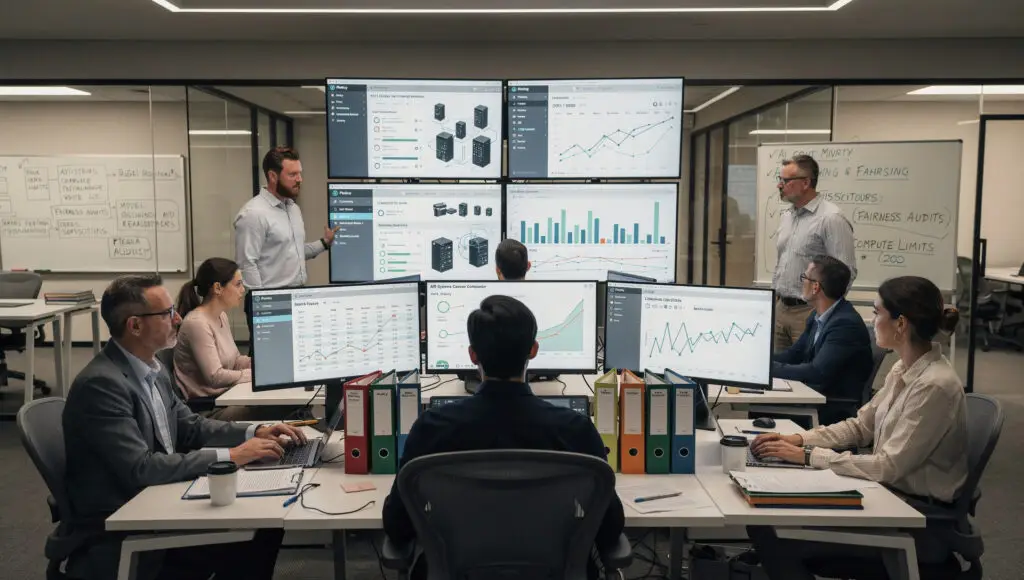
AI Investment Remains Strong, Results Less Clear By early 2026, artificial intelligence spending remains one of the fastest-growing corporate budget items across industries. Companies continue rolling out pilots, tools, and internal AI platforms, confident the technology will transform productivity. Yet beneath the investment headlines, many executives report a growing gap between expectations and measurable outcomes.

Read More...
Economics

U.S. Consumer Spending Slows as Credit Replaces Confidence

Spending Persists, but the Mood Has Shifted Entering 2026, U.S. consumer spending has not collapsed, but its character has changed noticeably. Retail sales remain positive in headline terms, yet the underlying momentum increasingly reflects necessity rather than confidence. Households continue to spend, but fewer view their financial position as improving. Instead of optimism driving purchases,

Read More...
Economics

Russia Tightens Economic Controls as War Economy Becomes Permanent

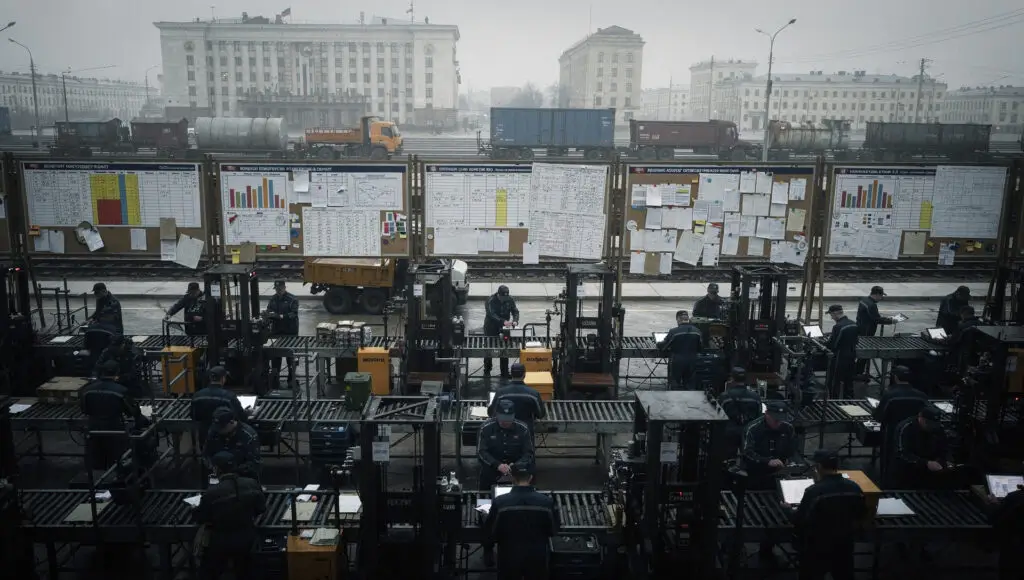
Wartime Economics Becomes the Default Setting By early 2026, it is increasingly clear that Russia is no longer operating under temporary wartime economic measures. Instead, the Kremlin has begun treating the war economy as a permanent condition, embedding emergency controls into standard governance and fiscal planning. Rather than preparing for a post-war normalization, policymakers are

Read More...
AI

AI Infrastructure Boom Triggers Local Political Pushback Across the United States

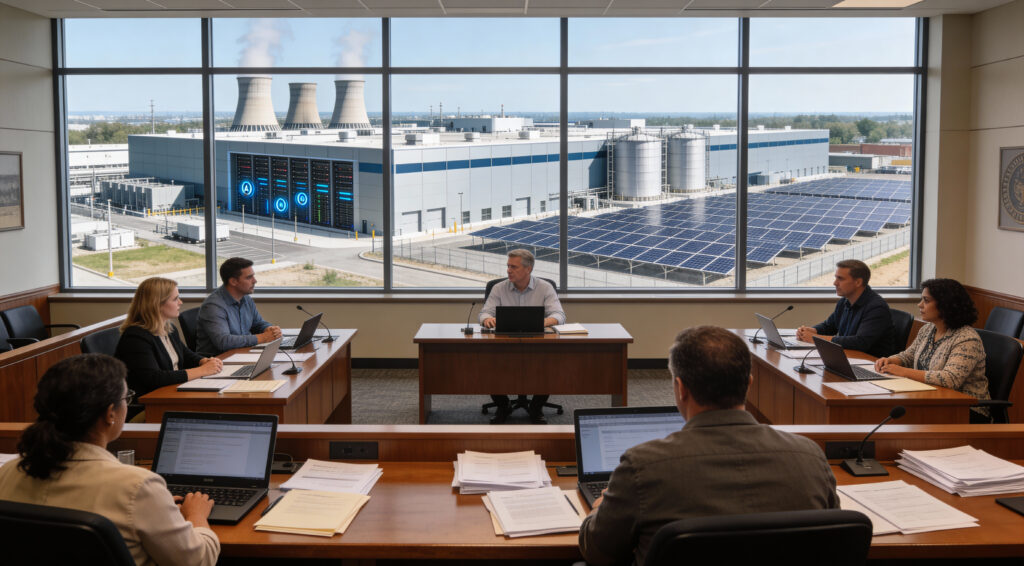
AI Expansion Moves From Boardrooms to Backyards As artificial intelligence investment accelerates in 2026, the impact is no longer confined to corporate earnings calls or federal policy debates. Across the United States, the physical footprint of AI infrastructure—particularly large-scale data centers—is increasingly shaping local political conversations. What was once welcomed as a source of jobs

Read More...
Business

US Corporations Reshape Supply Chains as Resilience Replaces Efficiency in 2026

Supply Chain Strategy Enters a New Phase American corporations entered 2026 with supply-chain resilience firmly embedded as a strategic priority. After years of disruptions caused by pandemics, wars, and trade disputes, companies are no longer optimizing solely for cost efficiency. Executives increasingly view supply chains as risk-management systems rather than logistical backbones, reshaping how capital

Read More...
Economics

Russia Tightens Economic Control as Geopolitical Pressures Mount in 2026

Kremlin Prioritizes Stability Over Growth Russia entered January 2026 facing sustained geopolitical pressure and limited access to Western capital markets. In response, the Kremlin has increasingly prioritized economic stability and state control over pursuing aggressive growth targets. Rather than stimulating private-sector expansion, policymakers are focusing on maintaining employment, financing military commitments, and preventing financial shocks

Read More...
AI

AI Infrastructure Boom Sparks Local Politics and Regulatory Pushback

AI Data Centers Spread Beyond Tech Hubs In 2026, the artificial intelligence boom is no longer confined to Silicon Valley or major metropolitan tech corridors. Massive data centers supporting AI training and inference are spreading into smaller cities and rural regions across the United States. Local governments initially welcomed these projects for their promise of

Read More...
Crypto

Stablecoins and Tokenization Redefine Global Finance in 2026

Digital Dollars Move From Niche to Infrastructure By early 2026, stablecoins have moved beyond their original role as crypto trading tools and into the core of global financial plumbing. What began as a convenience for digital asset markets is now being treated as critical payment and liquidity infrastructure. Banks, fintech firms, and multinational companies increasingly

Read More...
Economics

Russia Tightens Economic Control as Sanctions Pressure Becomes a Long-Term Reality

Sanctions Shift From Shock to Structural Constraint By January 2026, Western sanctions on Russia have evolved from an acute shock into a structural feature of the economy. Policymakers in Moscow no longer frame restrictions as temporary disruptions but as a long-term condition requiring adaptation rather than reversal. This strategic shift reflects an acceptance that access

Read More...
AI

AI Infrastructure Boom Sparks Local Politics and Regulatory Pushback in 2026

AI Infrastructure Expansion Reaches Communities As artificial intelligence adoption accelerates in 2026, the physical infrastructure behind it is expanding rapidly across the United States. Massive data centers, power substations, and cooling facilities are being built to support AI model training and deployment at scale. While these projects promise jobs and investment, they are increasingly reshaping

Read More...