

Clara Whitmore, an award-winning investigative journalist with decades of experience covering conflict diplomacy and institutional accountability, evaluates developments like prisoner exchanges through an evidence-first, signal-versus-structure lens. Drawing on her reporting across multi-party negotiations, she argues that such exchanges often sustain diplomatic momentum without resolving the underlying geopolitical constraints that define conflict trajectories.
What was actually achieved in the Abu Dhabi talks?
A 314-person prisoner exchange remains the only clearly verifiable outcome and its importance lies more in signaling than resolution.
In the latest round of talks in early 2026, U.S.-mediated discussions involving Russia and Ukraine facilitated by envoy Steve Witkoff resulted in a coordinated exchange at the Ukrainian border. Volodymyr Zelenskyy confirmed that both sides agreed to continue negotiations, with further talks expected.
According to statements referenced by the International Committee of the Red Cross, prisoner exchanges typically reflect operational coordination rather than political alignment.
In our analysis of the current geopolitical environment, such exchanges function as confidence signals: they demonstrate that both parties can execute limited agreements, but do not materially reduce core political or military disagreements.
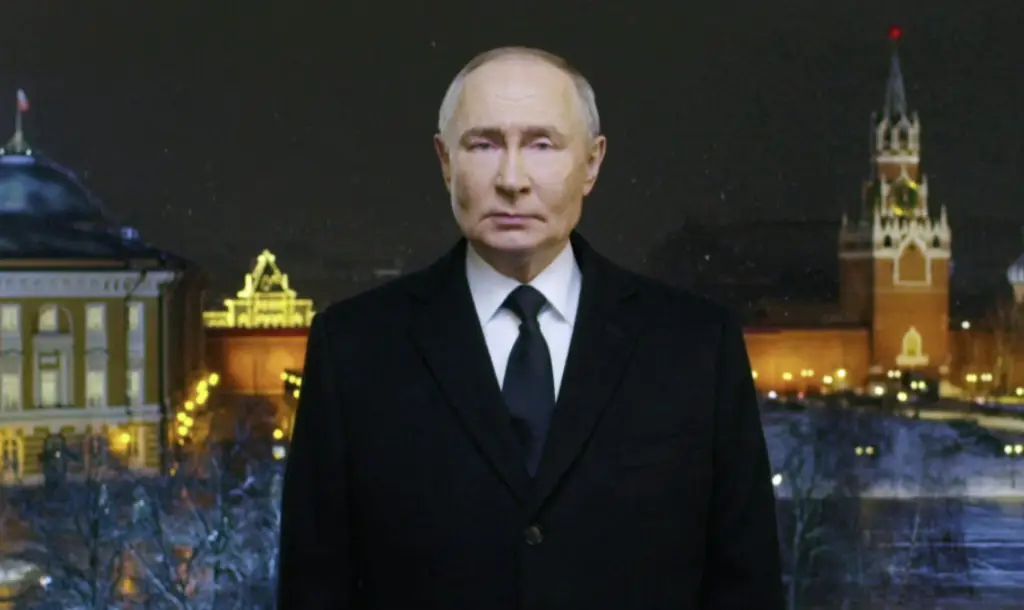
Image source: Atlantic Council
Why are markets reacting to limited diplomatic progress?
Markets are repricing risk probabilities not peace outcomes.
When evaluating this development, we observed that even minimal diplomatic traction may reduce near-term escalation risk. Analysis from the Center for Strategic and International Studies indicates that prolonged conflict uncertainty continues to shape global capital allocation, particularly across energy and defense sectors.
Key channels through which markets are reacting:
- Energy supply expectations in Europe
- Sanctions outlook on Russian exports
- Defense spending trajectories across NATO economies
- Safe-haven positioning in USD and gold
This helps explain why even limited agreements can trigger short-term sentiment shifts without altering structural risk.
However, some analysts interpret prisoner exchanges as incremental confidence-building measures that could, over time, support broader negotiations—highlighting the importance of distinguishing between tactical progress and strategic change.
What does this mean for the ruble and economy?
The critical variable is not diplomacy it is whether sanctions expectations begin to shift.
In our analysis:
- The Russian ruble remains tightly managed through capital controls and export revenue flows
- Diplomatic engagement may influence forward-looking sanctions expectations, but not current policy frameworks
- Domestic liquidity conditions remain constrained by limited access to global financial systems
According to statements from Kirill Dmitriev, discussions have included the possibility of restoring limited elements of U.S.-Russia economic cooperation. However, no formal policy changes have been announced, and existing sanctions regimes remain in place.
From a market perspective, ruble stability continues to depend primarily on energy revenues and state intervention, rather than negotiation headlines.
What are the biggest unresolved risks?
The structural barriers to peace remain unchanged and they are substantial.
We observed that negotiations are constrained by:
- Disputes over territorial control, particularly in eastern Ukraine
- Ukraine’s demand for binding security guarantees
- Control and safety concerns surrounding the Zaporizhzhia nuclear facility
- Active military operations across an extensive frontline exceeding 1,000 kilometers
Updates associated with both the Ukrainian Ministry of Defense and the Russian Ministry of Defense indicate that military activity continued during the negotiation window.
This reinforces a critical point: diplomacy and battlefield escalation are occurring simultaneously.
What does the casualty data tell us about negotiation pressure?
The scale of losses helps explain continued engagement but not convergence.
Estimates cited by the Center for Strategic and International Studies suggest that Russian casualties may be significantly elevated, though such figures remain unverified and widely disputed, including by Moscow. Volodymyr Zelenskyy has stated that approximately 55,000 Ukrainian soldiers have been killed, without full disclosure of total casualty figures.
In our evaluation, casualty dynamics increase incentives to negotiate, but can simultaneously harden strategic positions, making compromise more difficult.
Market Transmission Channels
| Factor | Immediate Impact | Medium-Term Risk |
|---|---|---|
| Prisoner Swap | Positive sentiment signal | No structural progress |
| Continued Talks | Reduced escalation probability | Negotiation fatigue |
| Sanctions Outlook | Slight stabilization expectations | No change without ceasefire |
| Energy Markets | Temporary volatility easing | Supply uncertainty persists |
| Ongoing Conflict | Maintains geopolitical risk premium | Prolonged instability |
Is this a real turning point for markets?
This development is best understood as continuity not inflection.
In our analysis, the Abu Dhabi talks confirm that diplomatic channels remain open, but do not alter the underlying structure of the conflict. Verified statements and ongoing military activity indicate that core issues remain unresolved.
For investors:
- Treat this as a short-term sentiment adjustment rather than a macro shift
- Focus on sanctions policy, energy flows, and military developments
- Expect continued volatility across currencies, commodities, and equities
A meaningful market re-pricing would likely require a verified ceasefire, enforceable agreement, or policy shift in sanctions regimes. Until then, geopolitical risk remains embedded in global markets, with diplomacy functioning as a signal but not yet a solution.