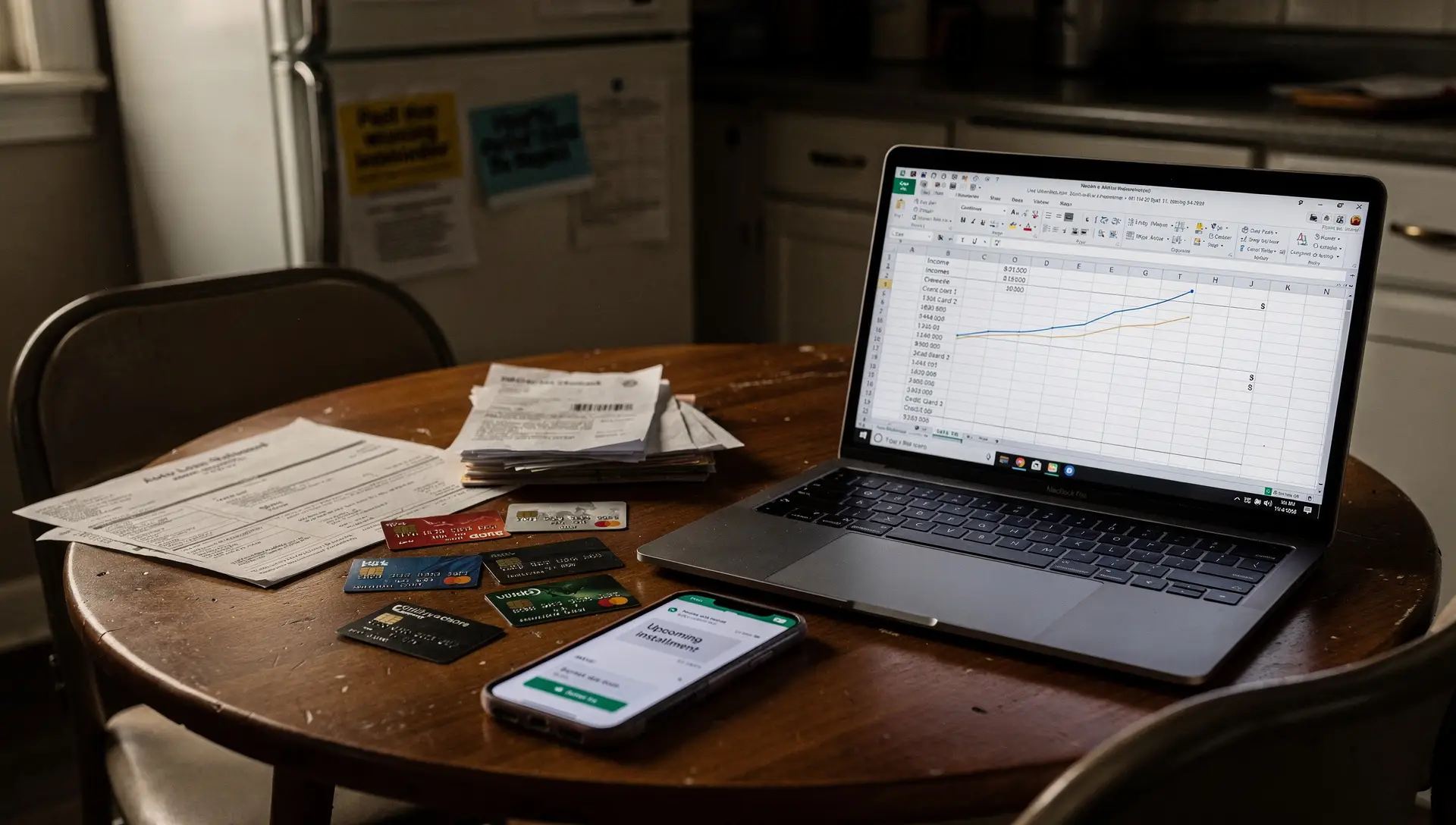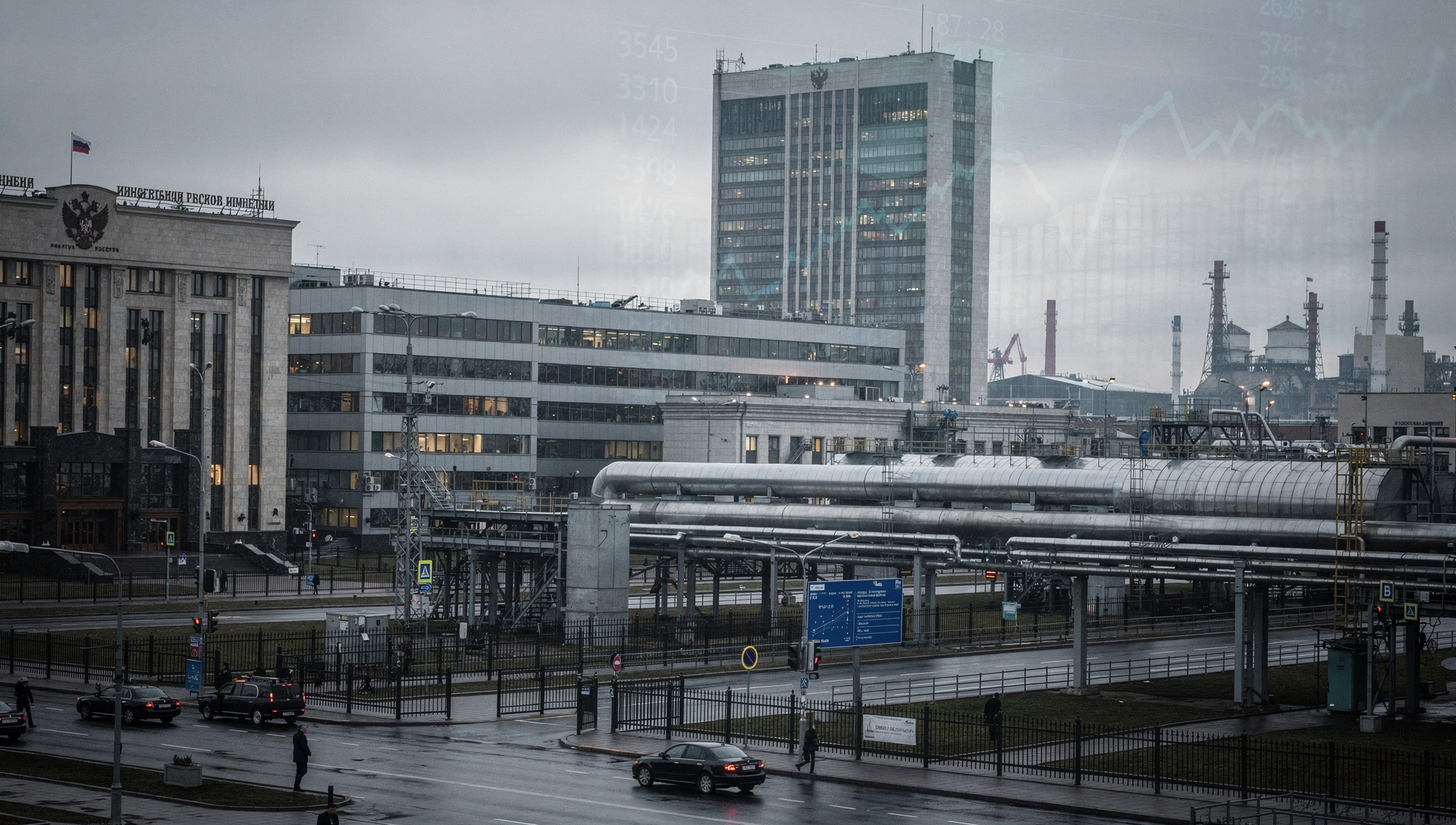

Investors Bet on a Hot US Economy as Midterm Politics Approach

Market Confidence Builds Around US Economic Momentum As the US heads deeper into 2026, investor sentiment increasingly reflects confidence that economic momentum will persist despite lingering global risks. Equity markets remain supported, labor conditions appear resilient, and consumer spending has held up better than many forecasters anticipated. This backdrop has encouraged investors to position for…
Why the Global Economy Is Holding Up Better Than Expected in 2026

A Surprisingly Resilient Global Backdrop As 2026 unfolds, the global economy has defied many pessimistic forecasts. Against a backdrop of geopolitical tensions, high interest rates, and lingering trade frictions, growth has remained steady rather than collapsing. This resilience has surprised policymakers and investors who expected sharper slowdowns following years of economic shocks. Speaking at the…

China’s Economic Reset Redefines Political Priorities in 2026

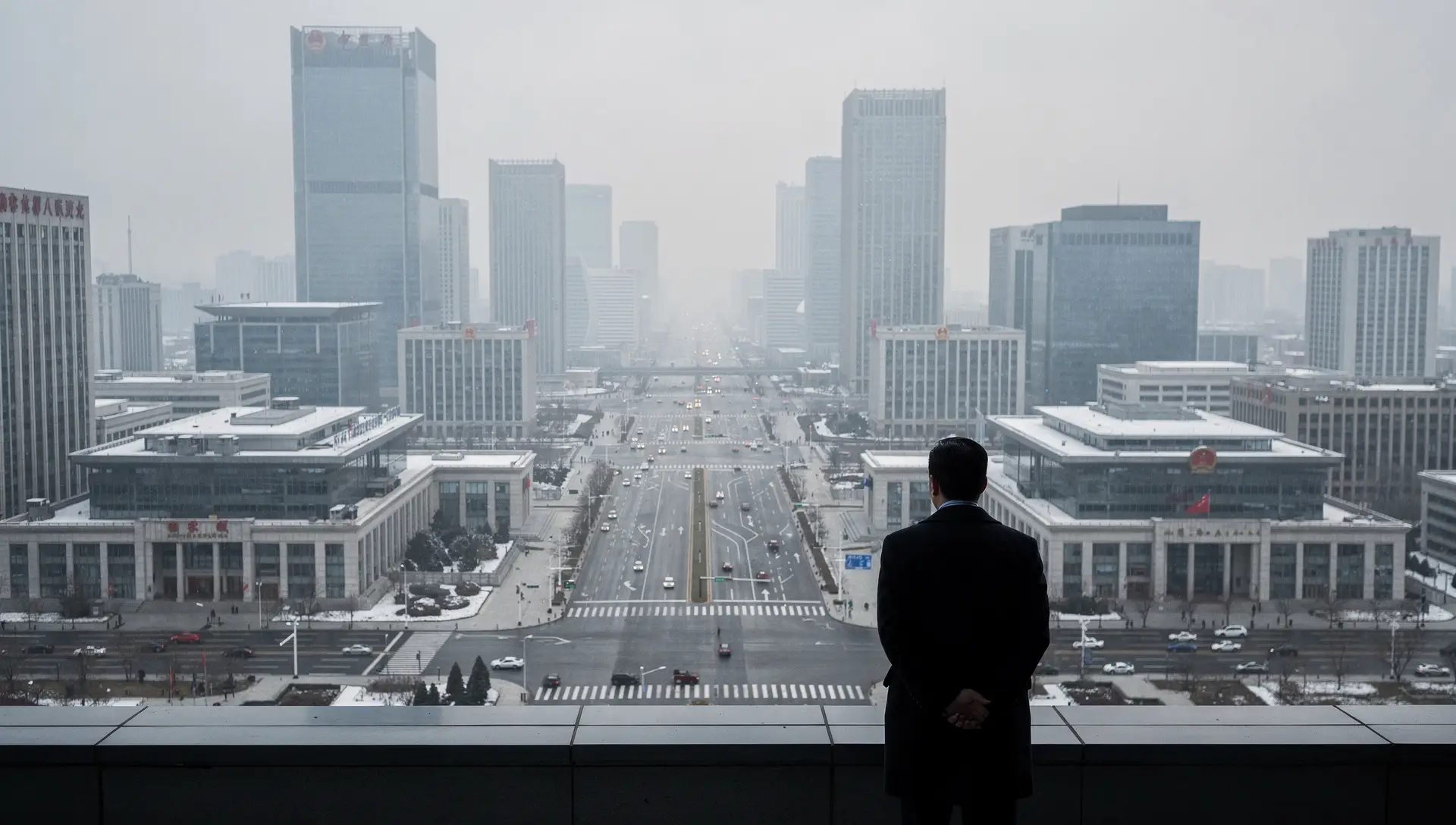
China Enters 2026 Facing a Different Economic Reality As 2026 begins, China finds itself navigating an economic environment markedly different from the high-growth decades that defined its rise. Expansion continues, but at a slower and more uneven pace, challenging assumptions that rapid growth alone can sustain political legitimacy. Policymakers now confront a complex mix of…

Russia Locks In Wartime Economy as Temporary Controls Become Permanent Policy

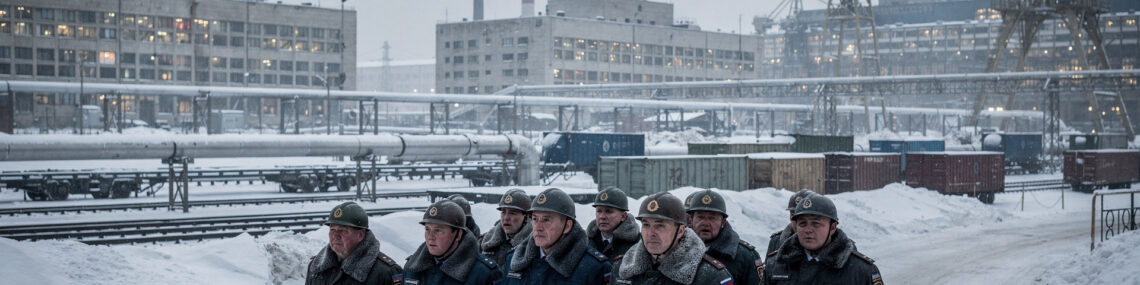
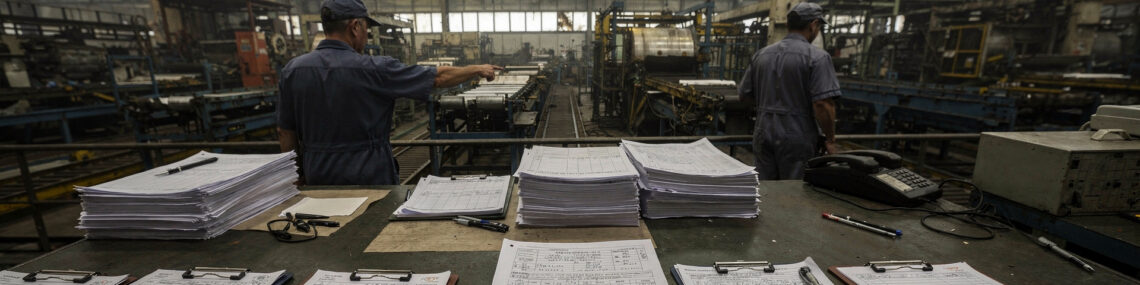
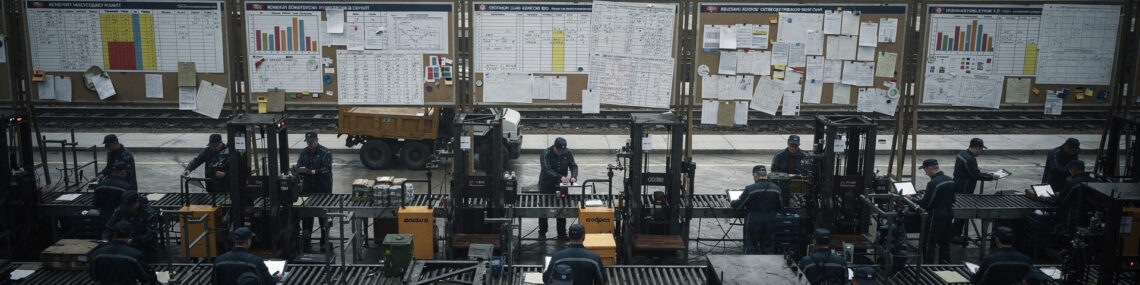
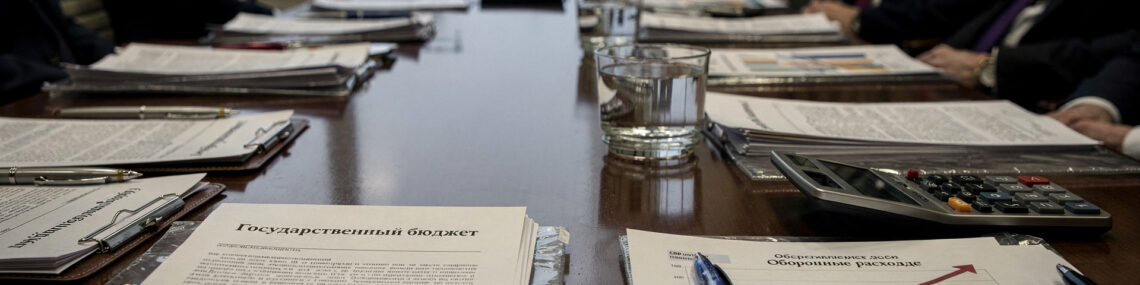
Wartime Measures Become the New Economic Baseline Russia entered 2026 no longer treating its war-driven economic controls as temporary. What began as emergency stabilization measures following the invasion of Ukraine have now hardened into long-term policy architecture. Budget frameworks, industrial output targets, and labor allocation are Russia’s economic model, signaling that the government expects prolonged…

Russia Institutionalizes Wartime Economy as Emergency Measures Become Permanent

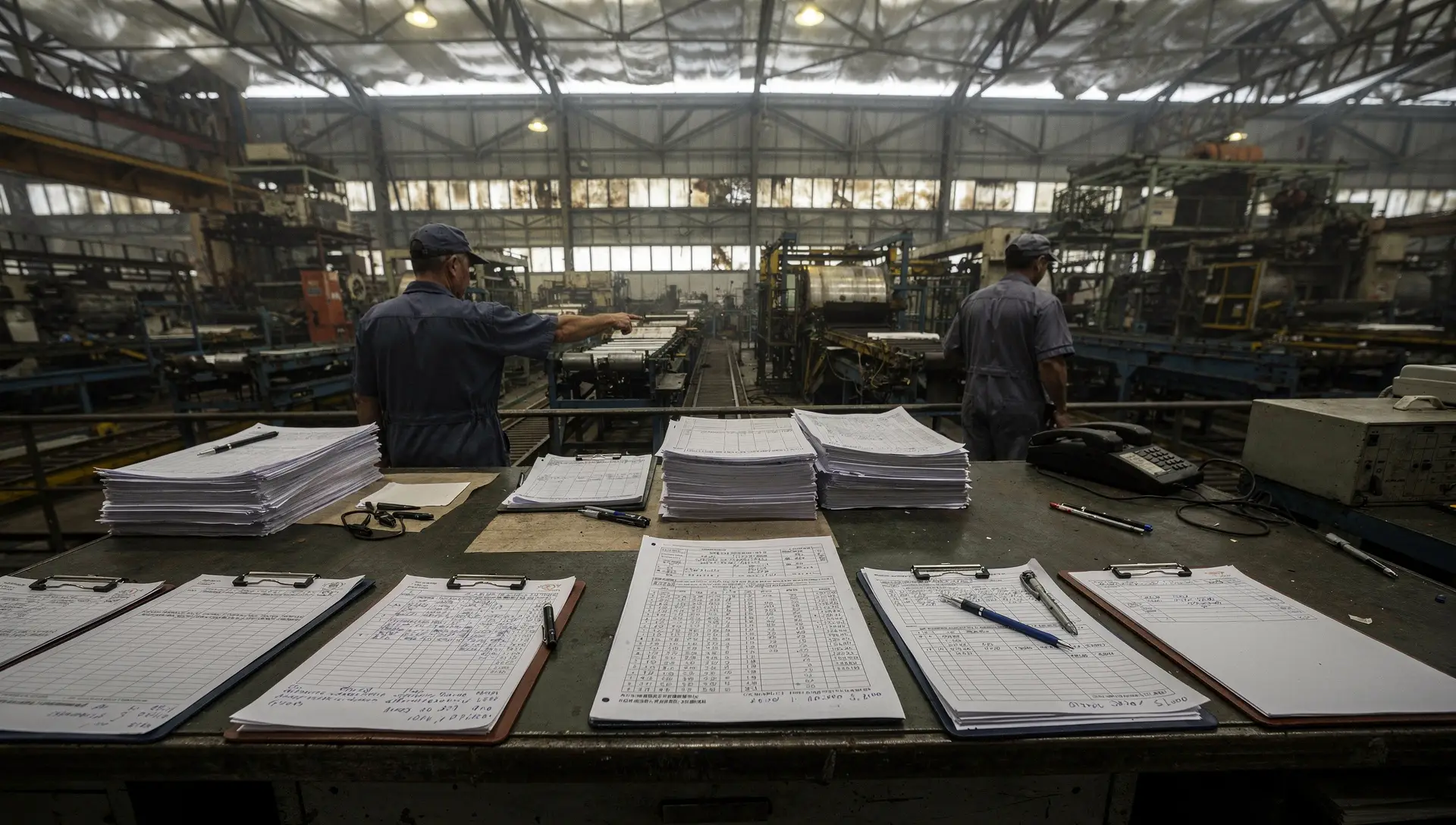
Emergency Economic Controls Become Permanent Policy Russia’s economic model in 2026 no longer resembles a temporary response to conflict. What began as emergency controls following the invasion of Ukraine have hardened into a permanent governing framework. Fiscal policy, industrial planning, and labor allocation are now explicitly structured around sustaining a long-term war economy rather than…

U.S. Consumer Spending Slows as Credit Replaces Confidence

Spending Persists, but the Mood Has Shifted Entering 2026, U.S. consumer spending has not collapsed, but its character has changed noticeably. Retail sales remain positive in headline terms, yet the underlying momentum increasingly reflects necessity rather than confidence. Households continue to spend, but fewer view their financial position as improving. Instead of optimism driving purchases,…

Russia Tightens Economic Controls as War Economy Becomes Permanent

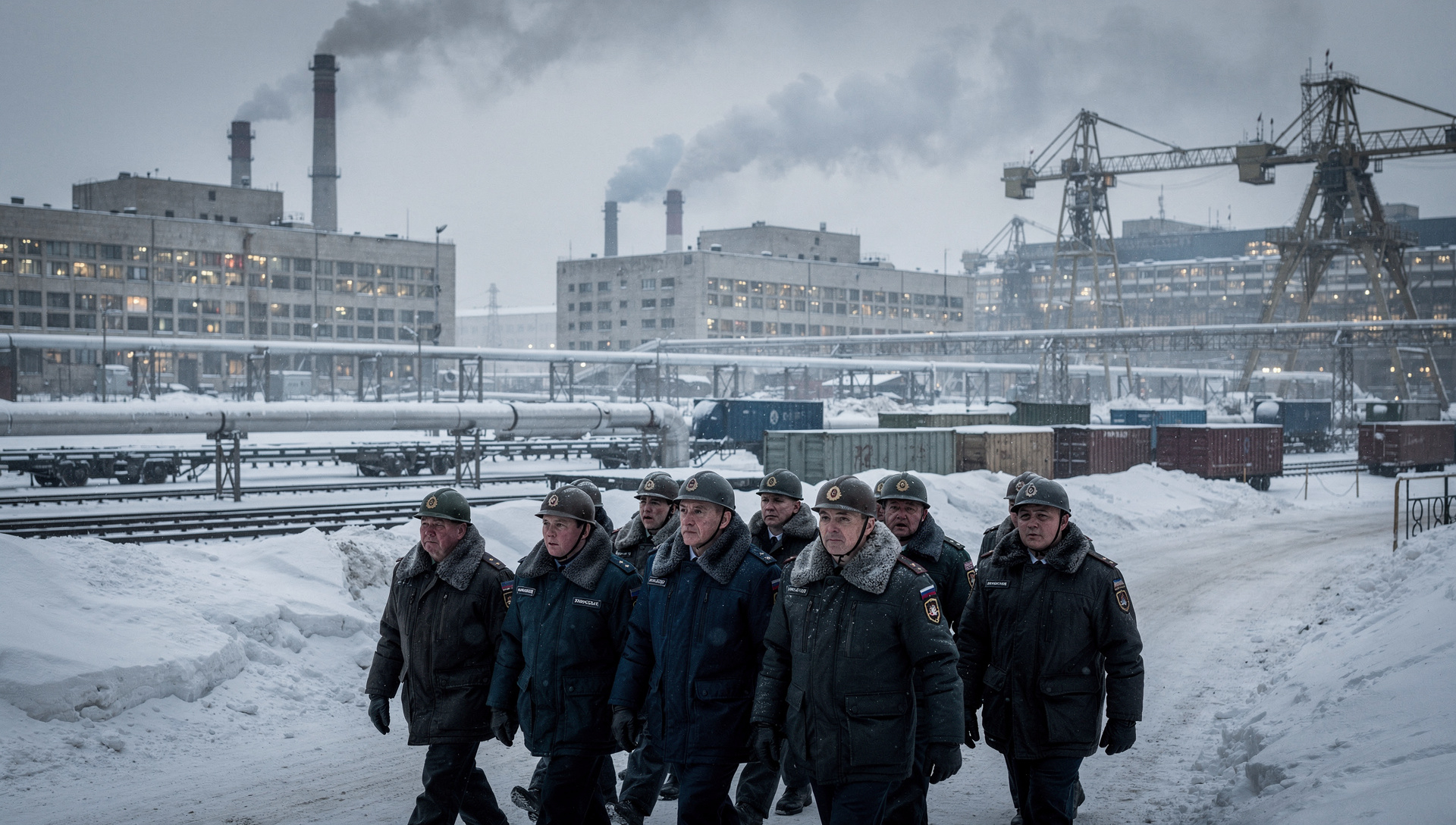
Wartime Economics Becomes the Default Setting By early 2026, it is increasingly clear that Russia is no longer operating under temporary wartime economic measures. Instead, the Kremlin has begun treating the war economy as a permanent condition, embedding emergency controls into standard governance and fiscal planning. Rather than preparing for a post-war normalization, policymakers are…

Russia Tightens Economic Control as Geopolitical Pressures Mount in 2026

Kremlin Prioritizes Stability Over Growth Russia entered January 2026 facing sustained geopolitical pressure and limited access to Western capital markets. In response, the Kremlin has increasingly prioritized economic stability and state control over pursuing aggressive growth targets. Rather than stimulating private-sector expansion, policymakers are focusing on maintaining employment, financing military commitments, and preventing financial shocks…

Russia Tightens Economic Control as Sanctions Pressure Becomes a Long-Term Reality

Sanctions Shift From Shock to Structural Constraint By January 2026, Western sanctions on Russia have evolved from an acute shock into a structural feature of the economy. Policymakers in Moscow no longer frame restrictions as temporary disruptions but as a long-term condition requiring adaptation rather than reversal. This strategic shift reflects an acceptance that access…

Great-Power Rivalry Tops Global Risk Lists Ahead of Davos 2026

Geopolitical Confrontation Emerges as the Leading Global Risk A newly released Global Risks Report ahead of Davos 2026 places great-power rivalry at the top of the world’s short-term risk hierarchy. Political leaders, business executives, and policy experts surveyed for the report overwhelmingly identified escalating competition between major powers as the most immediate threat to global…