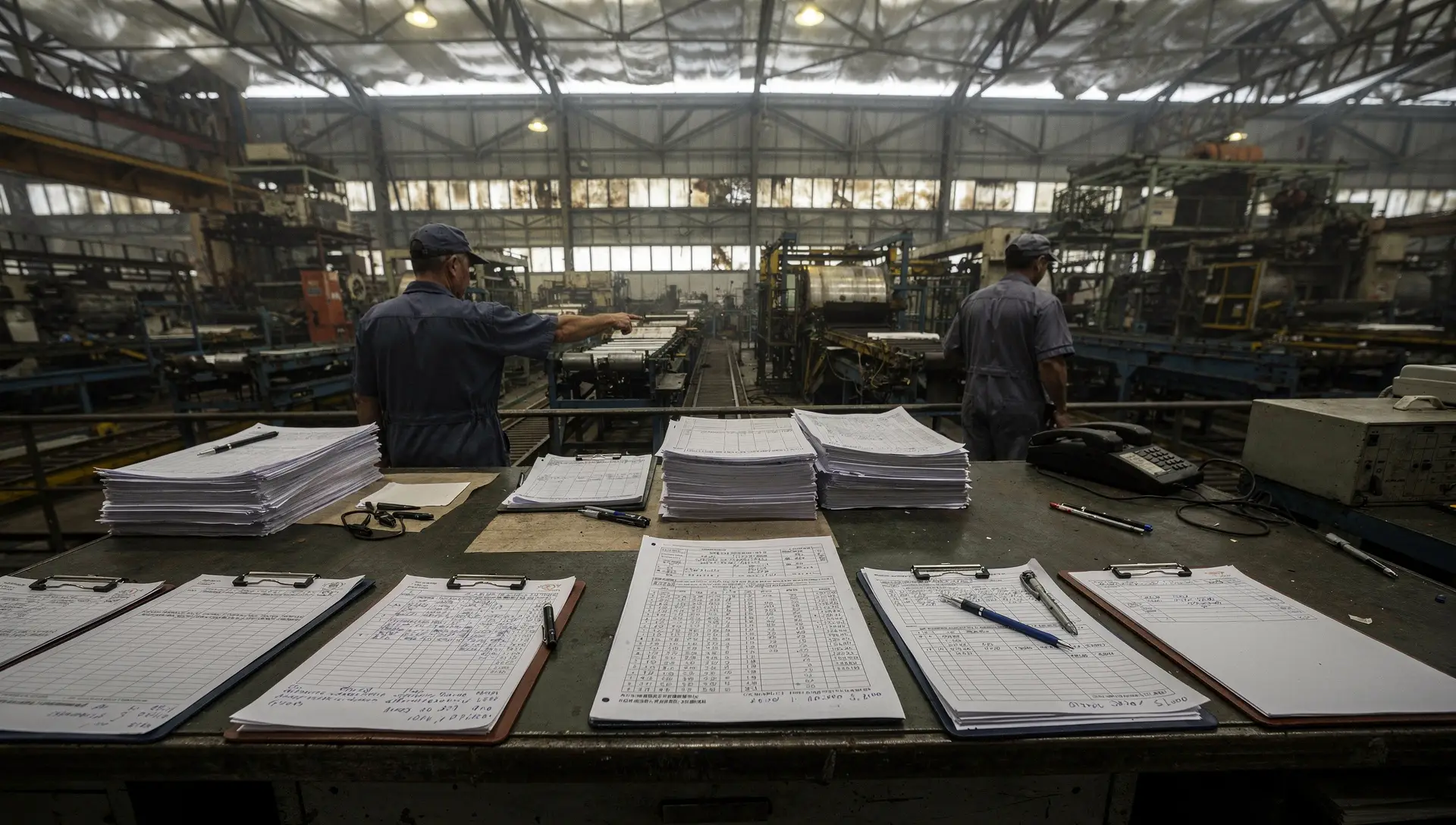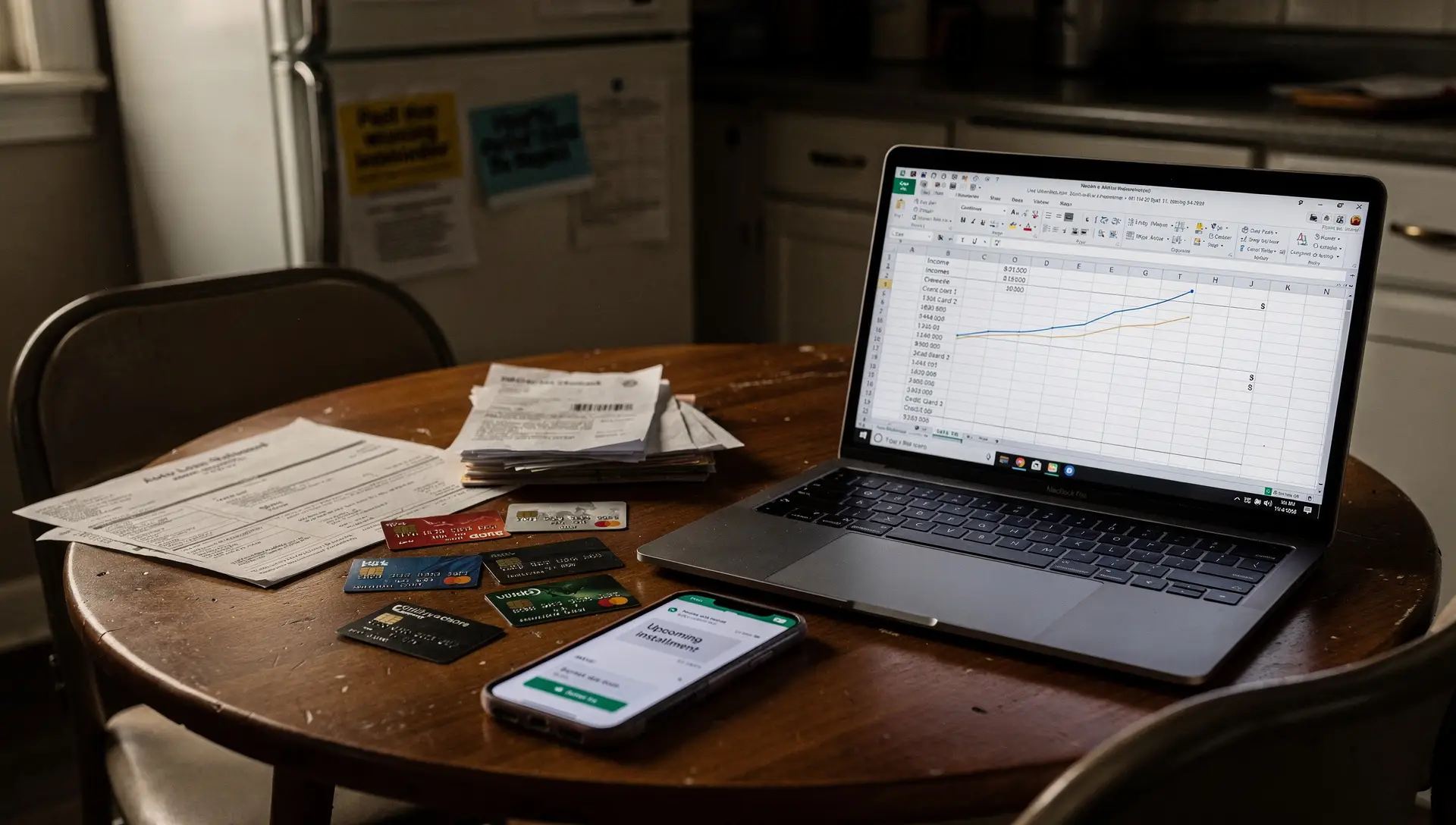

Canada Slips Toward Recession as Growth Stalls and Policy Tools Weaken

Economic Warning Signs Intensify Canada’s economic outlook has deteriorated as multiple indicators point toward stagnation rather than recovery. Recent data shows slowing output, declining per-capita growth, and persistent weakness across key sectors that traditionally support national expansion. Economists warn that these trends suggest structural issues rather than temporary slowdowns. With growth hovering near one percent,…

China Moves to Standardize Low-Altitude Economy as New Growth Engine

Beijing Targets Structure for a Rapidly Expanding Sector China is moving to formalize its fast-growing low-altitude economy, outlining plans to establish a comprehensive national standards system by 2027. The initiative is designed to support industries ranging from drones and autonomous aircraft to airspace infrastructure and safety supervision. Guidelines released this week signal Beijing’s intent to…

Canada Slips Toward Recession as Growth Stalls Despite Rate Cuts

Warning Signs Multiply Across the Canadian Economy Canada’s economic outlook is deteriorating as fresh analysis suggests the country is edging closer to recession territory. Despite earlier interest rate cuts, growth remains sluggish, prompting economists to question whether monetary easing has lost its effectiveness. Recent data show overall economic expansion hovering near one percent annually, a…

Norway’s Sovereign Wealth Fund Delivers $247 Billion Windfall on Tech Rally

Record Returns Mark a Standout Year for the Fund Norway’s sovereign wealth fund posted one of the strongest performances in its history during 2025, delivering profits of roughly $247 billion. The gains were driven by powerful rallies in global technology, financial, and materials stocks, underscoring the fund’s deep exposure to equity markets. By the end…

Investors Bet on a Hot US Economy as Midterm Politics Approach

Market Confidence Builds Around US Economic Momentum As the US heads deeper into 2026, investor sentiment increasingly reflects confidence that economic momentum will persist despite lingering global risks. Equity markets remain supported, labor conditions appear resilient, and consumer spending has held up better than many forecasters anticipated. This backdrop has encouraged investors to position for…

Why the Global Economy Is Holding Up Better Than Expected in 2026

A Surprisingly Resilient Global Backdrop As 2026 unfolds, the global economy has defied many pessimistic forecasts. Against a backdrop of geopolitical tensions, high interest rates, and lingering trade frictions, growth has remained steady rather than collapsing. This resilience has surprised policymakers and investors who expected sharper slowdowns following years of economic shocks. Speaking at the…

China’s Economic Reset Redefines Political Priorities in 2026

China Enters 2026 Facing a Different Economic Reality As 2026 begins, China finds itself navigating an economic environment markedly different from the high-growth decades that defined its rise. Expansion continues, but at a slower and more uneven pace, challenging assumptions that rapid growth alone can sustain political legitimacy. Policymakers now confront a complex mix of…
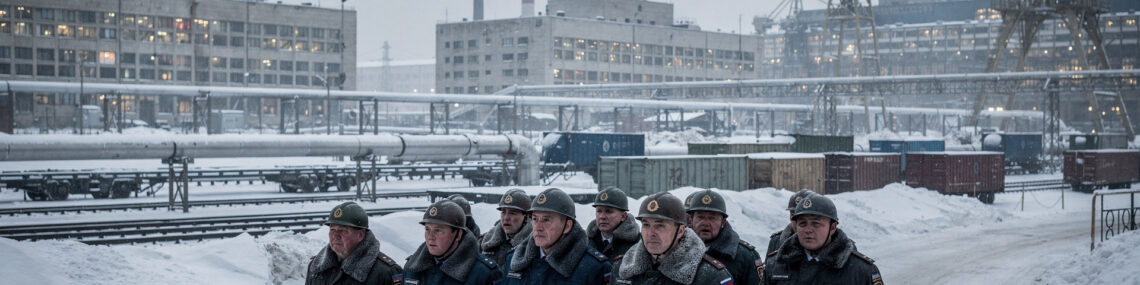
Russia Locks In Wartime Economy as Temporary Controls Become Permanent Policy

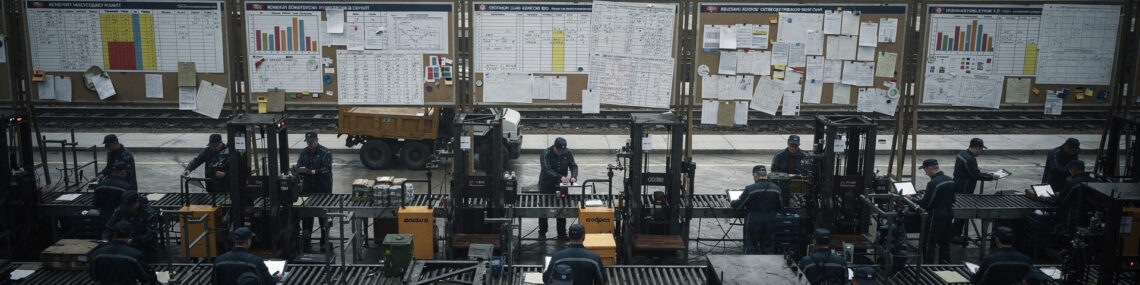
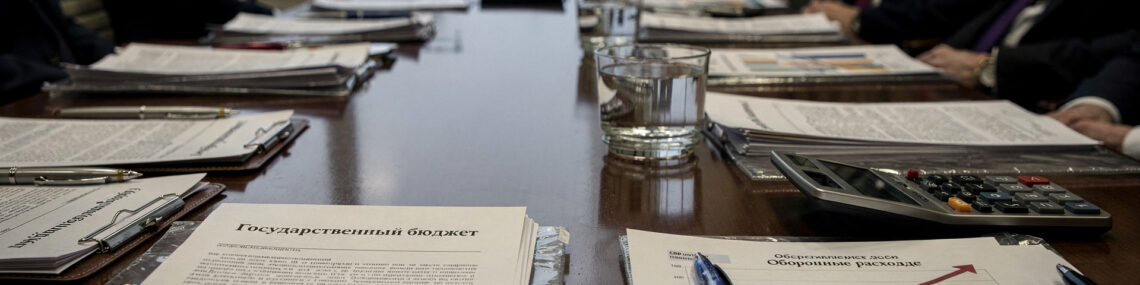
Wartime Measures Become the New Economic Baseline Russia entered 2026 no longer treating its war-driven economic controls as temporary. What began as emergency stabilization measures following the invasion of Ukraine have now hardened into long-term policy architecture. Budget frameworks, industrial output targets, and labor allocation are Russia’s economic model, signaling that the government expects prolonged…

Russia Institutionalizes Wartime Economy as Emergency Measures Become Permanent

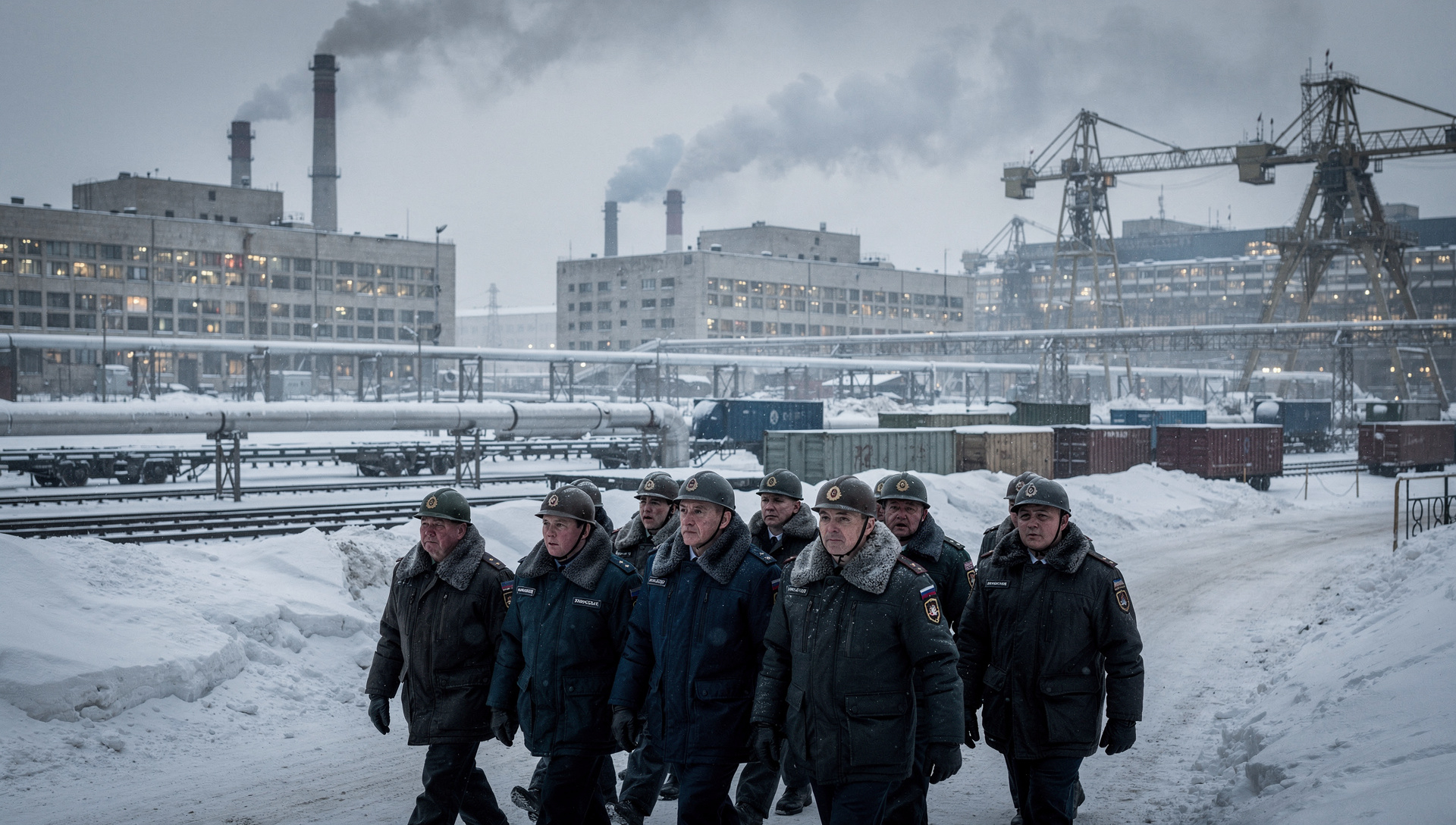
Emergency Economic Controls Become Permanent Policy Russia’s economic model in 2026 no longer resembles a temporary response to conflict. What began as emergency controls following the invasion of Ukraine have hardened into a permanent governing framework. Fiscal policy, industrial planning, and labor allocation are now explicitly structured around sustaining a long-term war economy rather than…

U.S. Consumer Spending Slows as Credit Replaces Confidence

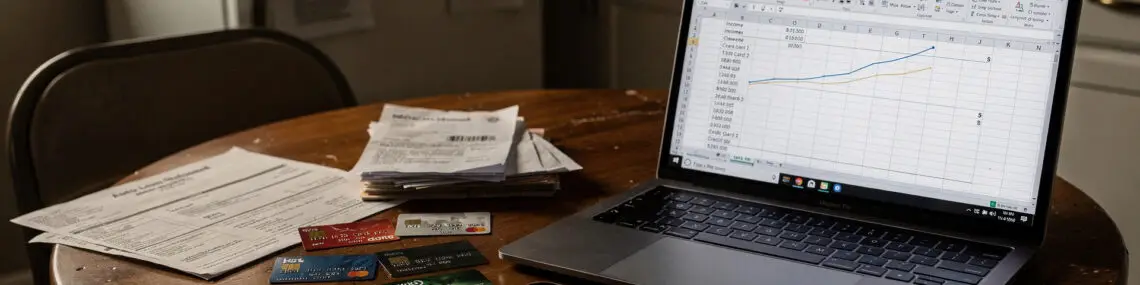
Spending Persists, but the Mood Has Shifted Entering 2026, U.S. consumer spending has not collapsed, but its character has changed noticeably. Retail sales remain positive in headline terms, yet the underlying momentum increasingly reflects necessity rather than confidence. Households continue to spend, but fewer view their financial position as improving. Instead of optimism driving purchases,…