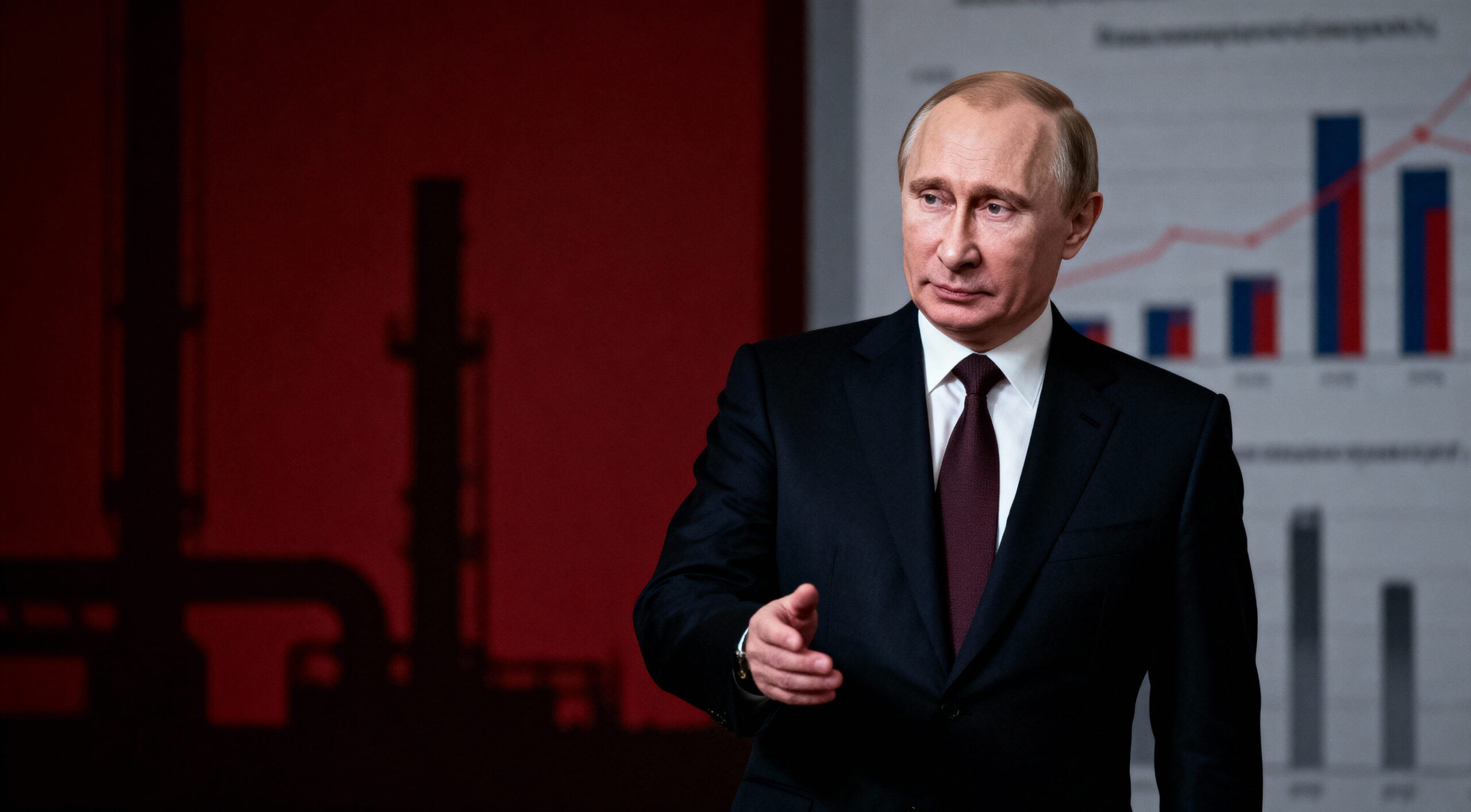
Russia Tightens Economic Controls as War Economy Becomes Permanent

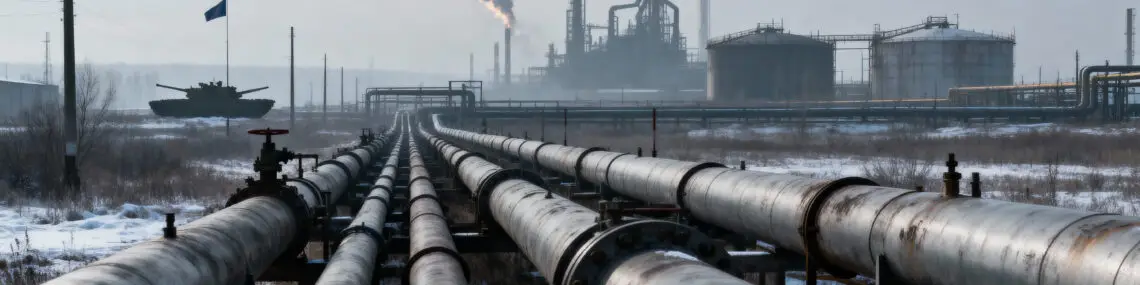
Wartime Economics Becomes the Default Setting By early 2026, it is increasingly clear that Russia is no longer operating under temporary wartime economic measures. Instead, the Kremlin has begun treating the war economy as a permanent condition, embedding emergency controls into standard governance and fiscal planning. Rather than preparing for a post-war normalization, policymakers are…

Russia Tightens Economic Control as Geopolitical Pressures Mount in 2026

Kremlin Prioritizes Stability Over Growth Russia entered January 2026 facing sustained geopolitical pressure and limited access to Western capital markets. In response, the Kremlin has increasingly prioritized economic stability and state control over pursuing aggressive growth targets. Rather than stimulating private-sector expansion, policymakers are focusing on maintaining employment, financing military commitments, and preventing financial shocks…

Russia Tightens Economic Control as Sanctions Pressure Becomes a Long-Term Reality

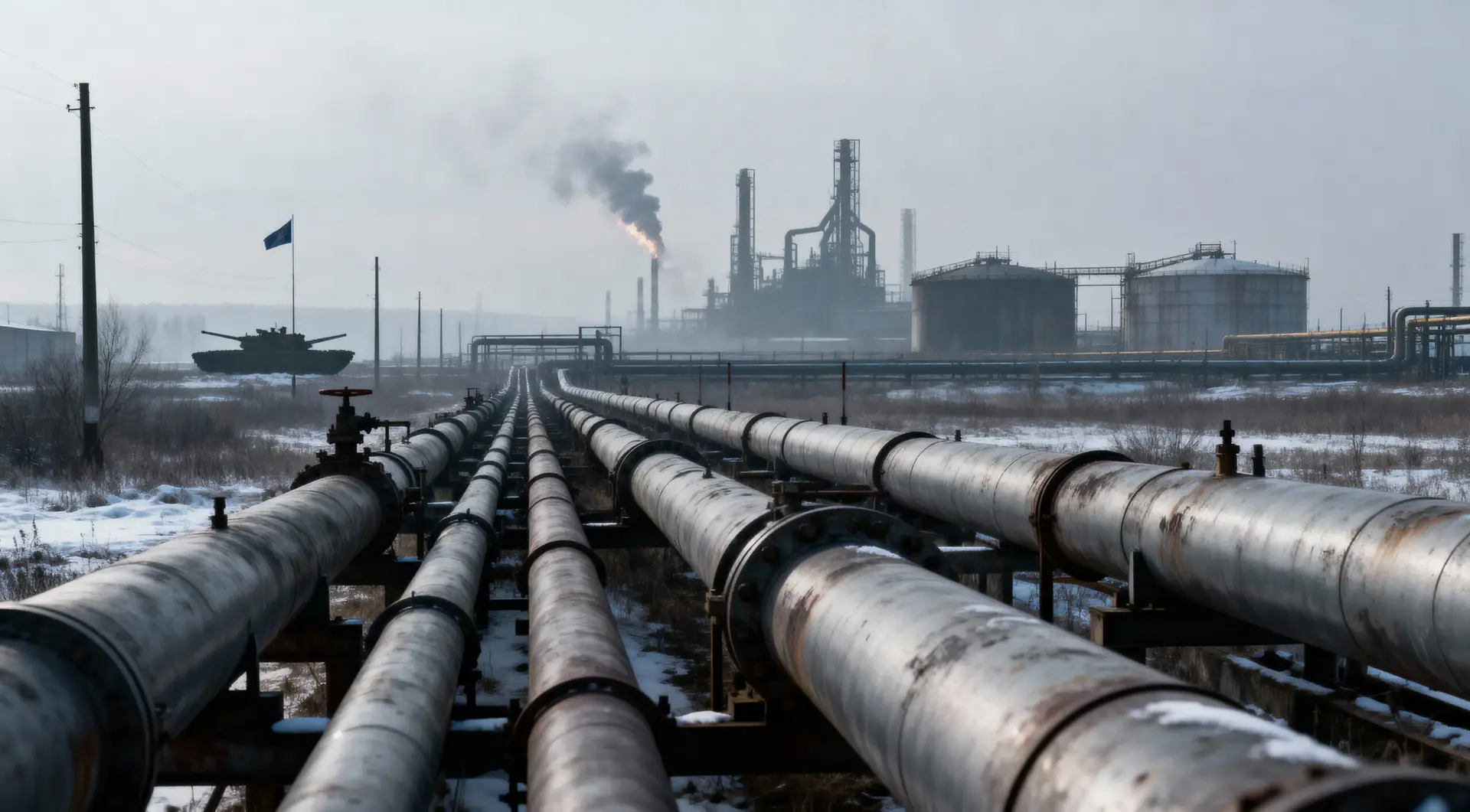
Sanctions Shift From Shock to Structural Constraint By January 2026, Western sanctions on Russia have evolved from an acute shock into a structural feature of the economy. Policymakers in Moscow no longer frame restrictions as temporary disruptions but as a long-term condition requiring adaptation rather than reversal. This strategic shift reflects an acceptance that access…

Great-Power Rivalry Tops Global Risk Lists Ahead of Davos 2026

Geopolitical Confrontation Emerges as the Leading Global Risk A newly released Global Risks Report ahead of Davos 2026 places great-power rivalry at the top of the world’s short-term risk hierarchy. Political leaders, business executives, and policy experts surveyed for the report overwhelmingly identified escalating competition between major powers as the most immediate threat to global…

China Hits 2025 Growth Target as Export Boom Masks Deeper Economic Strains

China Reaches Growth Goal Against the Odds China reported economic growth of around 5% in 2025, narrowly meeting Beijing’s official target despite a visible slowdown in the final quarter. The outcome surprised some analysts who had expected weaker performance amid sluggish domestic demand and persistent deflationary pressures. Officials framed the result as evidence of economic…

Trump’s Second Term Reshapes Canada’s Politics, Economy, and Worldview

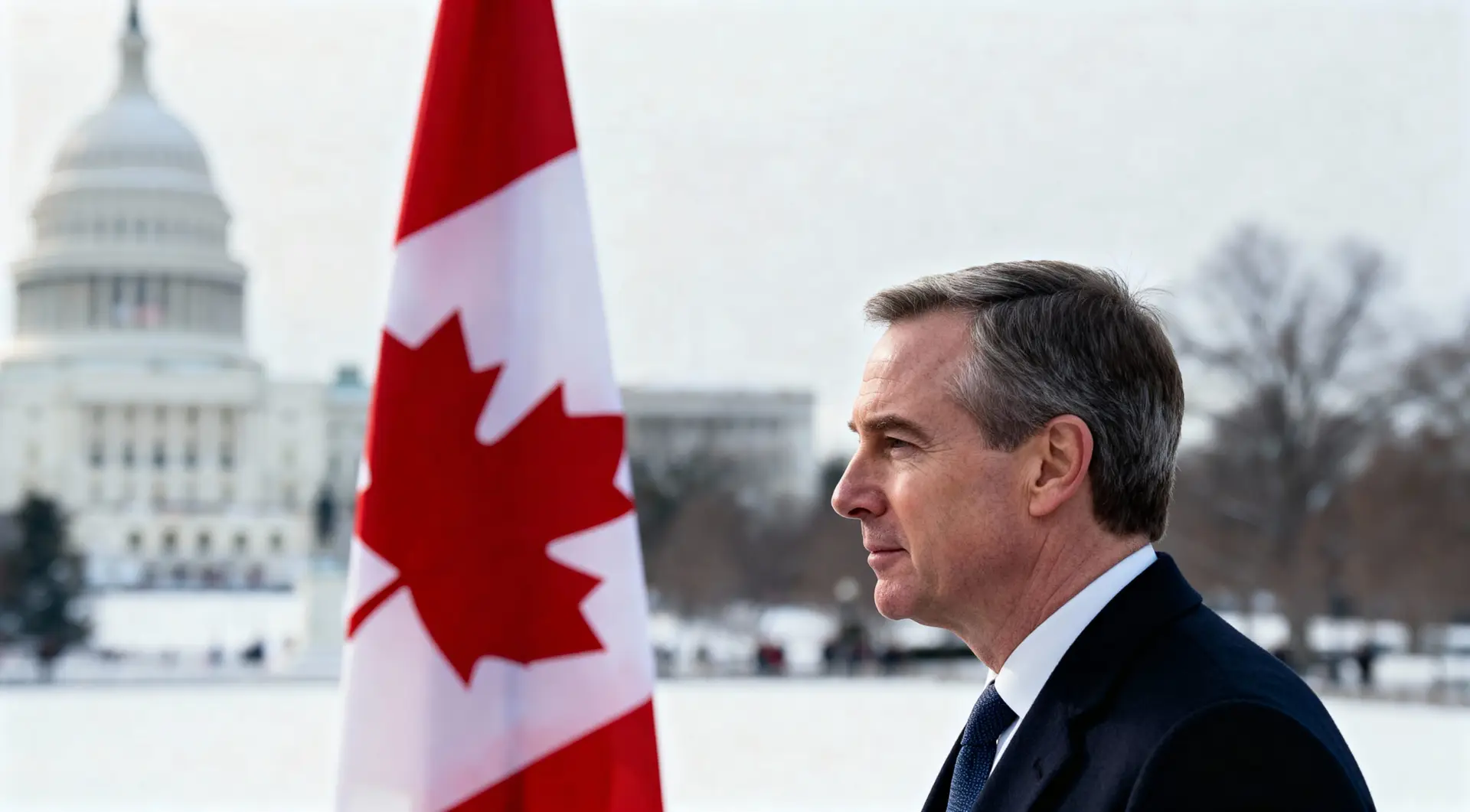
A Changed Relationship With Washington One year into Donald Trump’s second term, Canada’s relationship with the United States looks markedly different. Long defined by close economic integration and shared security interests, the bilateral partnership has become more volatile and politically charged. Trump’s renewed tariff threats and public remarks describing Canada as a potential “51st state”…

Russia Tightens Political Control as Economic Pressure Reshapes Governance in 2026

Kremlin Consolidates Authority Amid External Pressure Russia entered 2026 facing sustained external pressure from sanctions, geopolitical isolation, and ongoing military commitments. In response, the Kremlin has moved to further consolidate political authority, framing tighter control as necessary for national stability. President Vladimir Putin has emphasized unity and discipline, portraying internal dissent as a vulnerability exploited…

China’s Economy Adapts as Growth Slows but Control Tightens

Growth Takes a Back Seat to Stability China entered 2026 with a noticeably different economic mindset. Rather than pursuing ambitious growth targets, policymakers signaled that stability, predictability, and risk containment now outweigh rapid expansion. Official messaging has emphasized “high-quality growth” over headline GDP figures, reflecting a recalibration after years of volatility. This shift acknowledges mounting…

Global Trade Enters a Fragmented Era as Tariffs Redefine Supply Chains

A Shift Away From Hyper-Globalization Global trade entered 2026 under growing strain as governments rethink decades of economic integration. Once driven by efficiency and cost minimization, trade policy is now increasingly shaped by security, resilience, and political alignment. This shift reflects lessons learned from recent shocks, including pandemics, wars, and geopolitical tensions. Policymakers are prioritizing…